Top Benefits of Using PVC Aluminum Cable for Electrical Installations?
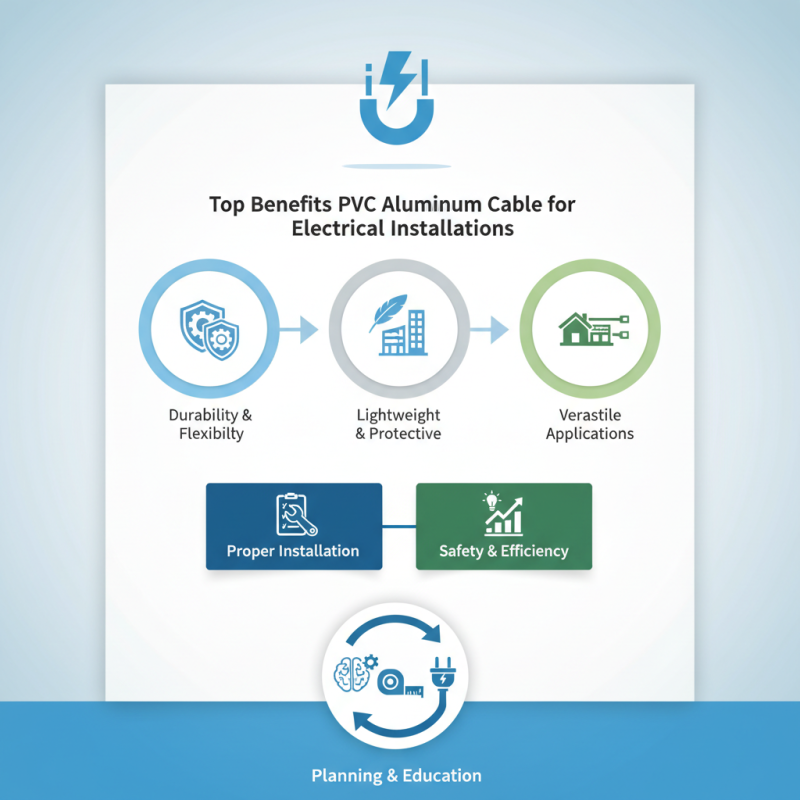
In the world of electrical installations, the choice of materials is crucial. Experts widely recognize the significance of using high-quality components. John Smith, a leading authority in electrical materials, states, "PVC aluminum cable offers a unique blend of durability and flexibility." This statement captures the essence of why PVC aluminum cable is gaining popularity.
PVC aluminum cable combines the benefits of aluminum's lightweight nature with the protective qualities of polyvinyl chloride. This makes it ideal for various applications, including residential and commercial buildings. Proper installation can significantly reduce the chances of electrical faults. However, not all installations correctly utilize this material, leading to potential safety risks.
Many contractors overlook the importance of adequate planning. When using PVC aluminum cable, understanding the specific requirements is essential. Improper sizing or installation can lead to inefficient performance. The industry needs continuous education on these cables. A little reflection on these aspects can make a difference in safety and efficiency.
Advantages of PVC Aluminum Cables in Electrical Installations
PVC aluminum cables are gaining popularity in electrical installations for various compelling reasons. One of their standout advantages is their lightweight nature. Compared to traditional copper cables, PVC aluminum options are significantly easier to handle and install. This can reduce labor costs, especially in large projects. Less weight also means less strain on support structures.
Another key benefit is their resistance to corrosion. PVC insulation adds an extra layer of protection, which is vital in harsh environments. This durability can enhance the lifespan of the cables, reducing the need for frequent replacements. However, it's important to note that while PVC aluminum cables are resistant, they are not immune to damage.
Heat dissipation is another factor worth mentioning. Aluminum conducts electricity but may have higher resistance than copper. This can lead to increased heat generation under heavy loads. Ensuring proper sizing and installation practices is essential to mitigate this risk. Balancing these aspects is crucial to maximizing the performance of PVC aluminum cables.
Durability and Weather Resistance of PVC Aluminum Cable
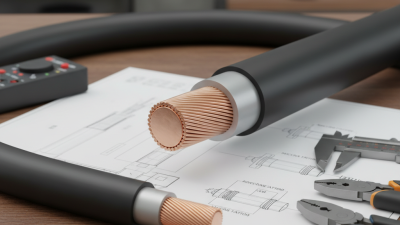
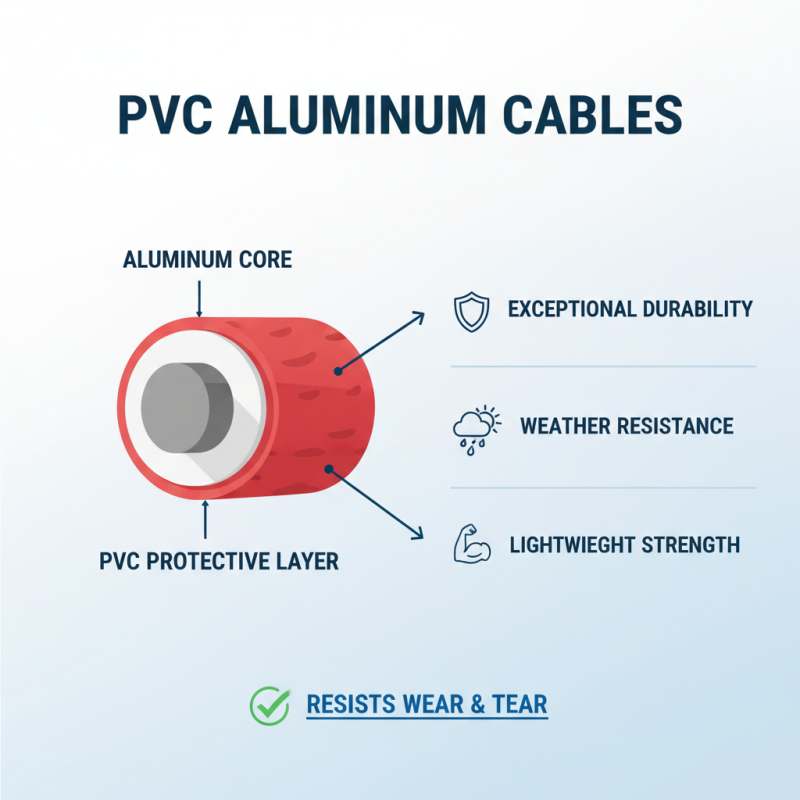
PVC aluminum cables offer exceptional durability and weather resistance, making them a popular choice for various electrical installations. Their construction includes a robust aluminum core, which provides lightweight strength. The outer PVC layer acts as a protective barrier, shielding against moisture and harsh environmental conditions. This combination ensures the cables resist wear and tear over time.
Rain, UV rays, and extreme temperatures can take a toll on many materials. However, PVC aluminum cables maintain their integrity under such pressures. They don't crack or degrade easily, which can lead to costly repairs or replacements. Proper installation is crucial, though. If not installed correctly, these benefits may not be fully realized. Regular maintenance checks can help identify potential issues early on.
While PVC aluminum cables are reliable, they may not be suitable for every application. Some specialized environments require more robust materials. Users should weigh their options carefully. In the end, the right choice will depend on the specific installation needs and environmental factors involved.
Cost-Effectiveness of Using PVC Aluminum for Electrical Projects
In today's electrical projects, cost-effectiveness is vital. PVC aluminum cable stands out for its affordability and durability.
It's lighter than copper, making installation easier. This can significantly lower labor costs. With less weight, you also need fewer supports during installation.
Homeowners and contractors appreciate the reduced expenses. Using PVC aluminum can cut material costs by a noticeable margin. This makes it an attractive choice for budget-conscious projects.
However, long-term performance should be considered. While cheaper upfront, maintenance costs could add up.
Additionally, the versatility of PVC aluminum cable is worth noting. It works well in various environments. However, different applications require careful assessment.
Not every project will benefit equally from PVC aluminum. Always evaluate specific needs to ensure the right choice is made.
Lightweight Nature of PVC Aluminum Cables Enhancing Installation Ease
The lightweight nature of PVC aluminum cables is a game-changer for electrical installations. We often overlook how weight impacts installation efficiency. Traditional copper cables can be cumbersome and heavy. In contrast, PVC aluminum cables are significantly lighter, reducing physical strain on workers. A study by the National Electrical Contractors Association indicates that reducing weight by just 20% can enhance productivity by up to 15%. This is crucial for large projects.
Installation ease remains paramount in construction. A lightweight cable allows electricians to maneuver it easily, particularly in confined spaces. This minimizes the risk of accidents and injuries during the installation process. Aluminium, combined with PVC, provides a sturdy yet manageable option. However, there is still room for improvement in manufacturing standards. Some PVC aluminum cables can be prone to damage if mishandled. Such vulnerabilities should prompt a discussion on quality assurance practices.
Efficiency during installation translates to cost savings. Streamlined processes, driven by the lightweight appeal, help meet tight deadlines. However, industry data suggests that improper handling of cables leads to increased repair costs. Awareness of installation techniques is vital. Addressing these challenges could enhance overall project outcomes.
Safety Features and Standards of PVC Aluminum Electrical Cables
When considering electrical installations, safety is paramount. PVC aluminum cables are designed with a focus on safety features. They often include protective layers that reduce the risk of short circuits and electrical fires. These cables are insulated with PVC, which is resistant to heat and moisture, making them reliable in various environments. This insulation is crucial in preventing electrical shock.
Moreover, PVC aluminum cables must meet specific safety standards. These standards ensure that the cables can withstand high temperatures and prevent degradation over time. However, there can be challenges with quality control during manufacturing. Inconsistent insulation quality may lead to vulnerabilities. That's why inspections are essential to ensure compliance.
Another aspect worth noting is the flexibility of PVC aluminum cables. They are easier to install in tight spaces. Yet, improper installation can compromise the safety features. It’s vital to follow proper guidelines to avoid such pitfalls. Overall, while PVC aluminum cables have many advantages, proper handling and adherence to safety standards are essential for optimal performance.
Top Benefits of Using PVC Aluminum Cable for Electrical Installations
| Feature |
Description |
Safety Standards |
| Durability |
Resistant to harsh weather conditions and UV radiation. |
IEC 60228 Class 2 |
| Lightweight |
Easy to handle and install, reducing labor costs. |
UL 83 |
| Electrical Performance |
Excellent conductivity and low resistance. |
IEEE Std 142-2007 |
| Chemical Resistance |
Resistant to a variety of chemicals and oils. |
ASTM D ytter |
| Flexibility |
Highly flexible, making it suitable for various applications. |
ISO 6722 |



 +86 13777722188
 WHATSAPP
 PHONE
PHONE E-MAIL