Top 10 Benefits of Xlpe Aluminum Cable for Electrical Applications?
In the modern electrical landscape, the choice of cable can significantly impact performance and safety. Xlpe Aluminum Cable stands out due to its unique properties. This type of cable is gaining popularity in various sectors, including construction and manufacturing. With the increasing demand for efficient energy solutions, understanding its benefits becomes crucial.
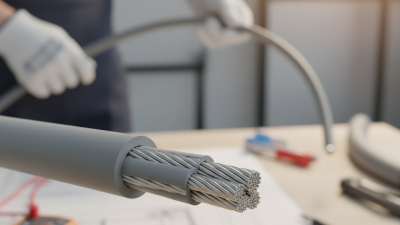
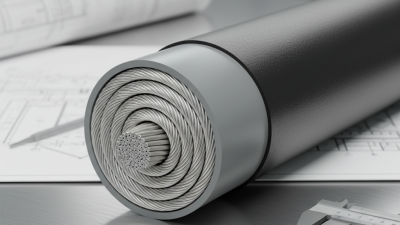
Xlpe Aluminum Cable offers superior insulation and durability. Its cross-linked polyethylene (XLPE) insulation protects against temperature fluctuations and moisture. This ensures long-lasting performance even in harsh environments. The aluminum core is lightweight, making installation easier and reducing costs. Furthermore, these cables are resistant to chemicals and UV exposure, which adds to their longevity.
However, it is essential to consider specific contexts where Xlpe Aluminum Cable may not be ideal. For example, in extremely cold conditions, the cable may have reduced flexibility. Additionally, while it provides excellent conductivity, some users might need different specifications for high-power applications. Balancing the benefits and limitations is key to making informed decisions in electrical applications.
Advantages of XLPE Aluminum Cable in Electrical Systems
XLPE aluminum cable exhibits several advantages in electrical systems. One significant benefit is its excellent thermal resistance. This feature allows the cable to operate efficiently in high-temperature environments. Additionally, XLPE insulation provides great electrical conductivity, ensuring lower energy loss during transmission. As a result, these cables are often favored for energy-critical applications.
Another notable advantage is their lightweight nature. Compared to traditional copper cables, XLPE aluminum cables are easier to handle and install. Their flexibility aids in fitting them into tight spaces or complex layouts. This can streamline the installation process and reduce labor costs. However, it is essential to consider the potential for oxidation, which can compromise performance over time. Regular maintenance is crucial.
The high resistance to moisture and chemicals makes XLPE aluminum cables suitable for outdoor and industrial applications. They can withstand harsh environmental conditions. This durability contributes to a longer lifespan and reduced replacements. Although there are many upsides, users must address their specific project needs to determine if XLPE aluminum cable is the right choice. Prior research and planning can help mitigate any drawbacks.
Durability and Resistance to Environmental Factors
XLPE aluminum cables are becoming a favorite choice for
electrical applications due to their unique durability and resistance to environmental factors. One of the
most remarkable aspects of XLPE (cross-linked polyethylene) insulation is its ability to withstand
extreme temperatures. Reports indicate that XLPE cables can perform efficiently in temperatures
ranging from -40°C to 90°C. This versatility allows for
deployment in diverse environments, from scorching deserts to frigid climates.
Additionally, XLPE cables resist moisture and chemicals, which prolongs their lifespan and reduces
maintenance needs. A study by a leading electrical engineering journal noted that XLPE cables show a
30% increase in longevity compared to traditional
PVC cables when exposed to humidity. This resilience leads to fewer failures and interruptions in service.
Tip: Always ensure proper installation to maximize the advantages of your XLPE cables.
Regular inspections can further prevent potential issues. Remember, while XLPE cables offer many benefits,
external factors like physical damage can compromise performance.
Inadequate awareness about installation could lead to failures. Moreover, while XLPE cables resist chemicals,
certain substances, especially at high concentrations, may still pose risks.
Understanding your environment is crucial to making informed choices.
Cost-Effectiveness Over Traditional Copper Cables
Xlpe aluminum cables are increasingly favored in electrical applications. Their cost-effectiveness stands out when compared to traditional copper cables. A report by the International Energy Agency (IEA) indicates that aluminum cables can be up to 30% cheaper than equivalent copper options. This difference is significant for large-scale projects, where material costs sharply impact the overall budget.
Moreover, aluminum cables weigh significantly less than copper cables. This reduction in weight can lead to lower shipping and handling costs. According to the National Electrical Manufacturers Association (NEMA), the installation costs can also decrease by about 15% due to easier handling.
However, one must consider that aluminum has lower conductivity than copper. This means that larger cross-sectional areas may be needed to carry the same electrical load. While the initial savings are clear, the performance over time needs to be evaluated. Aluminum cables are susceptible to corrosion, which could lead to maintenance issues. Some studies suggest that if connectors are not managed properly, the long-term costs might offset initial savings.
Users must weigh these factors when deciding between aluminum and copper cables for their projects.
Improved Electrical Performance and Efficiency
XLPE aluminum cables deliver significant improvements in electrical performance and efficiency. These cables feature cross-linked polyethylene insulation, which is known for its robust dielectric properties. This means they can carry higher voltages without losing energy, improving overall efficiency. Additionally, XLPE insulation provides superior thermal stability. This allows cables to operate in higher temperature environments without degradation.
The design of XLPE aluminum cables reduces energy losses during transmission. The aluminum conductor offers a lightweight solution while maintaining excellent conductivity. This combination means less energy waste through heat dissipation, which is crucial for areas with high energy demands. Moreover, their flexibility in installation can lead to lower labor costs and easier handling.
While these cables have many benefits, they are not without challenges. Proper installation is essential to maximize their advantages. Any oversight can lead to suboptimal performance. The initial investment in XLPE aluminum cables may be higher than traditional options, but the long-term savings typically outweigh these costs. It’s important to weigh these factors when considering your next electrical project.
Top 10 Benefits of Xlpe Aluminum Cable for Electrical Applications
| Benefit |
Description |
Impact on Electrical Systems |
| Improved Conductivity |
Aluminum has excellent conductivity properties. |
Increased efficiency and reduced energy loss. |
| Lightweight |
Xlpe aluminum cables are significantly lighter than copper. |
Easier installation and reduced structural load. |
| Corrosion Resistance |
XLPE offers enhanced protection against environmental factors. |
Longevity of cables and reduced maintenance costs. |
| Flexibility |
The design allows for easier bending and shaping. |
Better adaptability in complex installations. |
| Reduced Energy Loss |
Lower resistance means less energy wasted as heat. |
Higher system efficiency and lower operating costs. |
| Thermal Performance |
Excellent thermal stability enhances performance. |
Safe operation under high load conditions. |
| Versatility |
Applicable in various electrical systems and settings. |
Widespread usage in different industries. |
| Cost-Effectiveness |
Lower material and installation costs compared to copper. |
Reduced upfront and long-term expenses. |
| Environmental Sustainability |
Aluminum is recyclable and less energy-intensive to produce. |
Supports greener electrical systems and practices. |
| Low Voltage Drop |
Maintains voltage levels over long distances. |
Improves the reliability of electrical supply. |
Lightweight Nature and Ease of Installation
The lightweight nature of XLPE aluminum cable makes it a top choice for electrical applications. Traditional copper cables can be cumbersome and difficult to install. In contrast, XLPE aluminum cables weigh significantly less, promoting easier handling and quicker installation processes. According to industry reports, reducing the weight of cables by approximately 60% can improve labor efficiency. This benefit is critical in projects with tight timelines.
Installation time can directly impact project costs. A study from the International Electrotechnical Commission highlights that reduced installation times lead to savings of up to 30%. Those savings could be crucial for businesses looking to maximize profits while maintaining quality. This cable’s flexibility allows for easier routing in confined spaces, which is an advantage during renovations where existing layouts must be accommodated.
Tip: Always ensure proper sizing of your cables. Undersized cables can lead to overheating, while oversized cables may add unnecessary weight. Additionally, consider the environmental conditions of your installation site. Data indicates that XLPE cables perform better in high-temperature areas compared to traditional options. Inquire about installation guidelines to optimize performance and longevity.



 +86 13777722188
 WHATSAPP
 PHONE
PHONE E-MAIL