Best Antenna Cable Options for Superior Signal Quality and Performance?
In the realm of home entertainment, the choice of Antenna Cable can significantly impact your viewing experience. Renowned industry expert Dr. Jane Smith emphasizes, "The right antenna cable can make or break your signal quality." As more viewers turn to over-the-air broadcasts, understanding cable options becomes crucial.
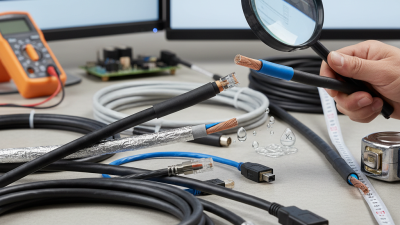
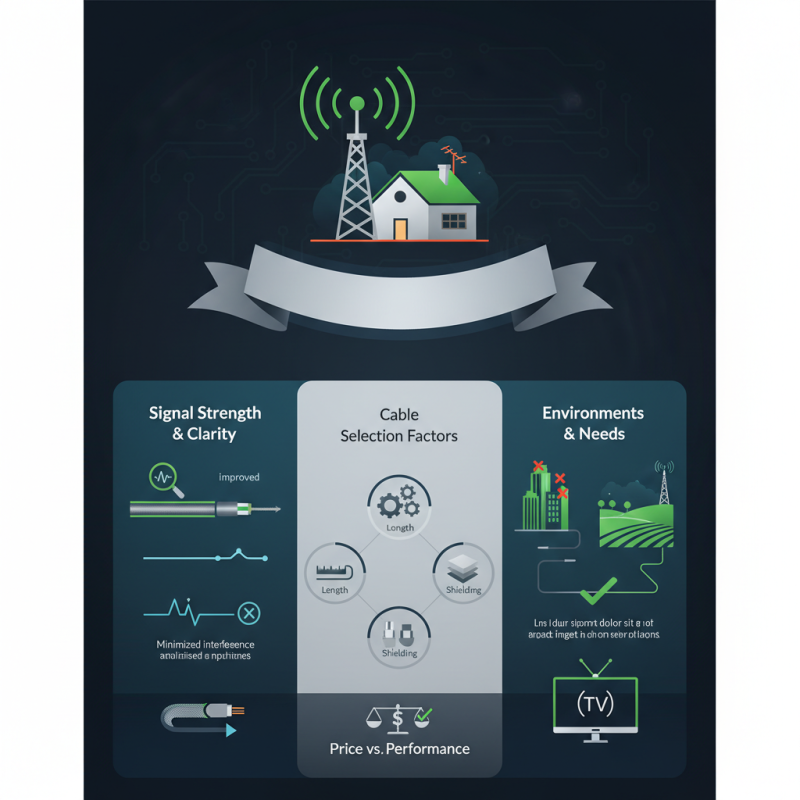
High-quality Antenna Cables improve signal strength and clarity. The right cable can minimize interference, ensuring reliable reception. However, not all cables are created equal. It's essential to consider the cable’s length, connectors, and shielding. Some consumers often overlook these factors, leading to subpar performance.
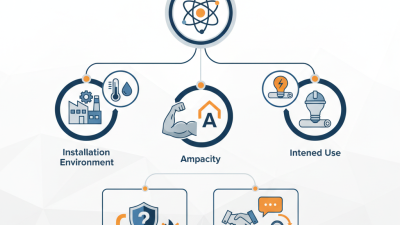
When selecting an Antenna Cable, reflect on your specific needs. Will it meet the demands of urban environments with signal obstructions? Or will it excel in rural settings where distance matters? Exploring various options may feel overwhelming due to the abundance of choices. Balancing price and performance is no easy task, but the investment can lead to better signal quality and viewing satisfaction.
Factors to Consider When Choosing Antenna Cables for Signal Quality
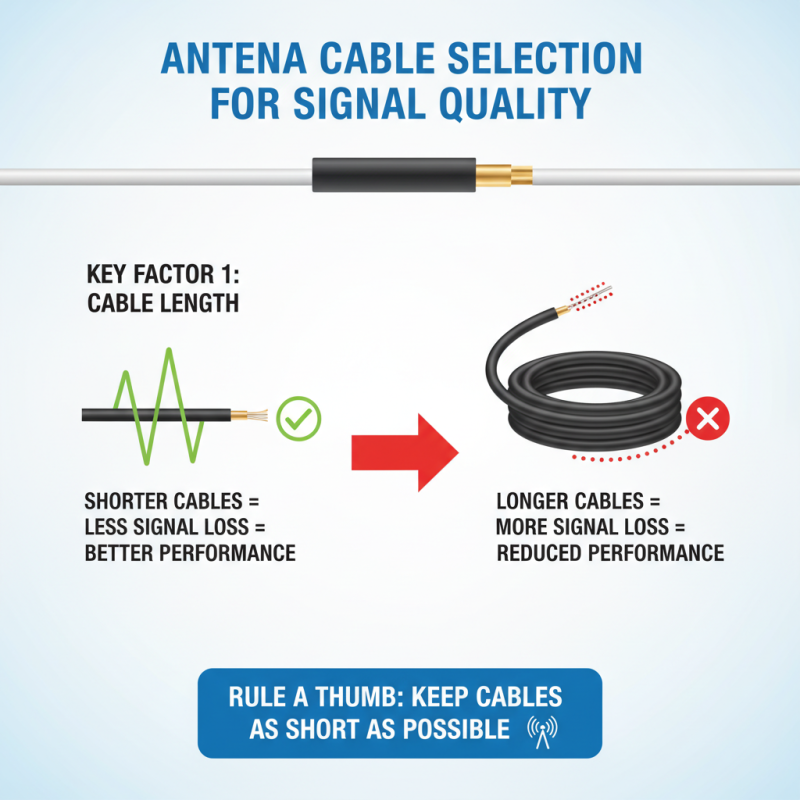
When selecting antenna cables, several crucial factors impact signal quality. First, consider cable length. Longer cables can lead to signal loss, diminishing overall performance. While it’s tempting to choose longer cables for flexibility, keeping them as short as possible is wise.
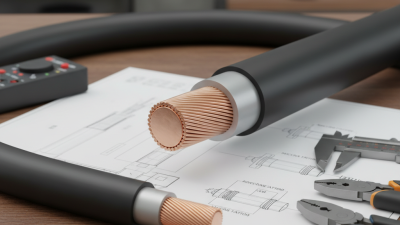
Next, look at the cable type. Coaxial cables are popular due to their efficiency in reducing interference. However, not all coaxial cables are created equal. The shielding quality greatly affects the signal. Single-shielded cables may struggle in high-interference environments. Opt for double or triple-shielded cables for better results.
Connector quality also plays a significant role. Poor connectors can introduce additional noise and reduce signal strength. Ensure the connectors match your equipment precisely. Consider future upgrades or changes in technology as well. Will the connectors still serve you well down the line? Thoughtful choices today lead to fewer regrets tomorrow.
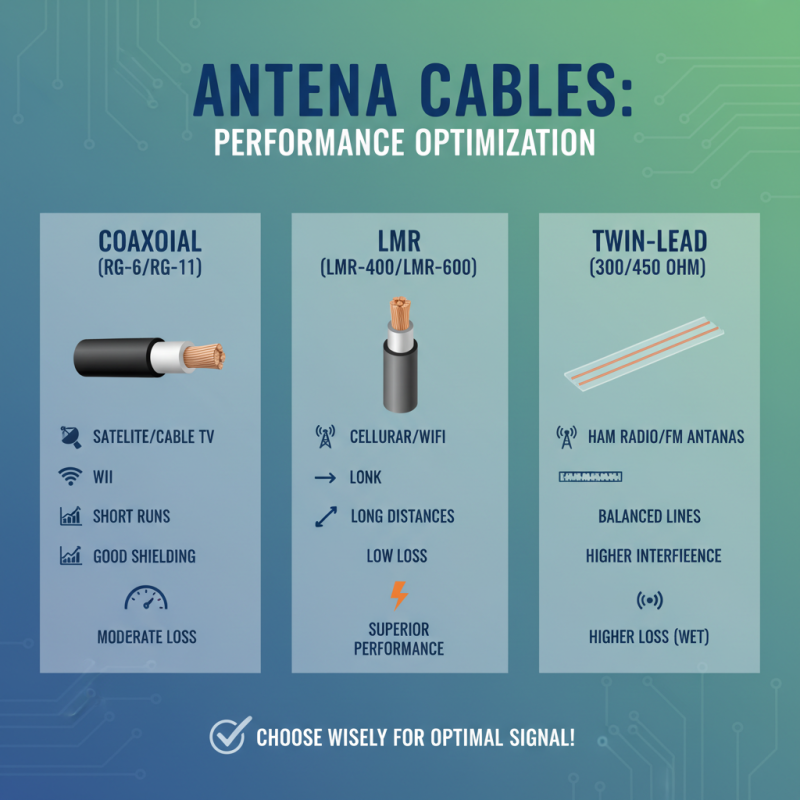
Types of Antenna Cables: A Comparative Analysis for Performance Optimization
When it comes to antenna cables, choosing the right type can significantly impact your signal quality. Coaxial cables are popular due to their shielding. This design minimizes interference, making them ideal for both indoor and outdoor use. However, not all coaxial cables are created equal. The quality of the dielectric material can vary. Poor materials might lead to signal loss.
Another option is twisted pair cables. These cables offer good performance in specific setups. They can reduce crosstalk between wires. However, they are generally less effective over long distances. In situations where you're dealing with multiple signals, using a high-quality splitter can lead to challenges. It is crucial to evaluate your setup and ensure compatibility with your existing equipment.
Look also at the length of the cable. Longer cables can introduce unwanted noise and reduce clarity. A well-measured and appropriate length can help provide a cleaner signal. Testing the setup after installation is important. People often overlook this step. Regularly checking for wear and tear on cables is vital for maintaining performance.
Connecting Antenna to Receiver: Importance of Quality Cables in Signal Transfer
When connecting an antenna to a receiver, the quality of the cable plays a crucial role in signal transfer. High-quality coaxial cables greatly minimize signal loss. Research by the Federal Communications Commission indicates that even a slight degradation in cable quality can lead to significant performance issues. As antenna systems strive for optimal performance, choosing the right cable becomes essential for achieving superior signal quality.
Signal attenuation can occur at various frequencies, affecting picture clarity and audio quality. A study from the Society of Cable Telecommunication Engineers reveals that using a cable with a low attenuation rating can improve signal strength by up to 30%. This improvement is vital in areas with weak reception. Investing in a quality cable is not merely a choice; it is a necessity for maintaining system integrity.
Tips: Always consider cable length and type. Shorter cables tend to reduce loss. Using connectors that meet industry standards can also enhance connection reliability. Even the best cables may fail over time, so regular inspection is advisable. Watch for signs of wear or damage. Ensuring a tight connection at both ends can also help mitigate signal dropouts.
Best Antenna Cable Options for Superior Signal Quality and Performance
| Cable Type |
Length (ft) |
Shielding Type |
Impedance (Ohm) |
Typical Use |
| RG-6 |
50 |
Quad Shield |
75 |
General TV Use |
| RG-11 |
75 |
Triple Shield |
75 |
Long Distance Transmission |
| RG-59 |
30 |
Single Shield |
75 |
Camera Systems |
| HF Coax |
100 |
None |
50 |
Ham Radio Use |
Common Issues with Antenna Cables and How to Troubleshoot Them
Antenna cables can face various issues that affect signal quality. One common problem is signal interference. This often arises from nearby electronic devices or even physical obstacles like walls. To troubleshoot, ensure the cable is away from other electronics. Experimenting with the placement of your antenna may also yield better results.
Another issue is cable damage. Coiled or kinked cables can degrade performance. Visually inspect the cable for any signs of wear and tear. Even small bends can lead to significant signal loss. A damaged connector can also result in poor reception. If you notice any issues, replacing the connector might be necessary.
Connection type matters, too. Make sure the connectors are secure and clean. Loose connections can introduce noise into the signal. Using proper tools to tighten connections is advisable. It's crucial to monitor how changes affect performance. Remember, consistent testing can highlight what works and what doesn’t.
Best Antenna Cable Options for Superior Signal Quality
The chart above illustrates the signal quality performance of different antenna cable options measured in decibels (dB). Lower values indicate better signal quality for optimal television or radio reception.
Top Recommended Antenna Cable Brands for Enhanced Signal Reception
When selecting antenna cables, it's crucial to focus on brands that are renowned for enhancing signal reception. Reports indicate that high-quality coaxial cables significantly reduce signal loss. A study revealed that using RG-6 cables can decrease signal attenuation by up to 3 dB compared to RG-59 cables. This can make a noticeable difference in picture quality for both TV and radio signals.
It's important to consider cable length. Longer cables often lead to higher loss, which can diminish performance. Industry experts recommend keeping antenna cable lengths under 100 feet wherever possible. Quality connectors are equally essential. Poor connections can introduce unwanted noise, impacting overall clarity.
Tip: Always check for cable specifications, including shielding and impedance. Well-shielded cables help minimize interference, leading to better reception. Additionally, ensuring connections are tight can prevent signal degradation.
While these recommendations can improve performance, there is no one-size-fits-all solution. Be mindful of your specific setup and environmental factors that may influence signal quality. Different locations and obstacles can alter reception, regardless of cable quality.



 +86 13777722188
 WHATSAPP
 PHONE
PHONE E-MAIL