What Are the Best Control Cables for Global Supply Chains?
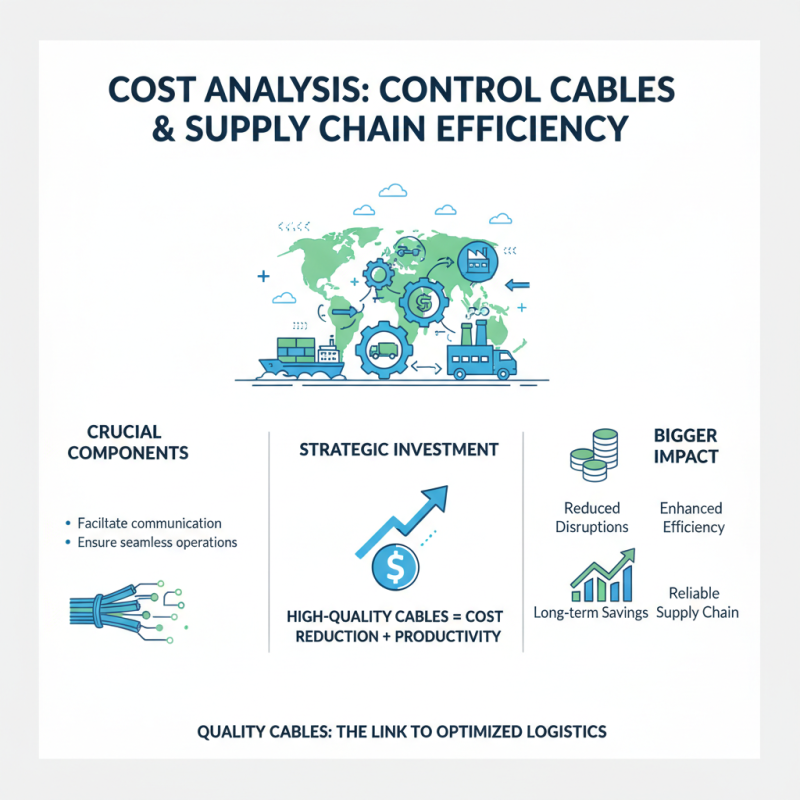
In today's global supply chains, the role of Control Cables is critical. These cables provide essential connections in various industries, ensuring efficiency and reliability. According to a recent report by Market Research Future, the Control Cable market is projected to reach $7 billion by 2025, growing at a CAGR of 6%. Such numbers underline the importance of selecting the right control cable for operations.
Renowned industry expert, Dr. Emily Sanders, stresses, "Choosing high-quality control cables can significantly impact supply chain performance." Her insight highlights the necessity of understanding specific needs, such as temperature ranges and flexibility. However, many companies still overlook the importance of cable selection, leading to potential failures in operations. This oversight can result in productivity losses and increased costs.
Moreover, as suppliers face pressure from fluctuating demands, the need for flexible and durable control cables has never been greater. Companies must reflect on their sourcing strategies and supply chain resilience. A careful evaluation can prevent disruptions and enhance overall performance. High-quality Control Cables can be the key to unlocking efficient global supply chains.

Best Control Cables for Global Supply Chains: An Overview
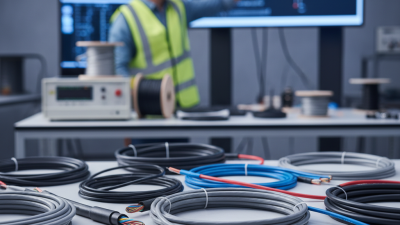
Control cables are essential components in global supply chains. They ensure smooth operations in various industries, from manufacturing to logistics. Many cables are designed to transmit signals reliably over long distances, which is crucial for maintaining communication between different locations. For instance, robust materials are often used to enhance durability and resistance to environmental factors.
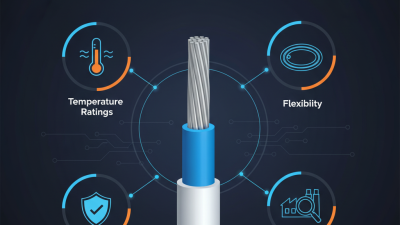
Selecting the right control cable involves multiple considerations. Factors like temperature tolerance, flexibility, and shielding from interference can impact performance. Many cables may not perform well under extreme conditions. This inadequacy can lead to breakdowns in communication, affecting the entire supply chain. Each application may require different specifications, making it vital to evaluate the operational environment.
Some control cables may exceed budget constraints while providing limited benefits. Balancing cost with quality often requires careful analysis. Professionals must assess long-term reliability versus immediate needs. The choice might involve trade-offs that could influence future operations. Monitoring advancements in cable technology can lead to better decisions in the long run.
Key Specifications for Control Cables in Supply Chain Applications
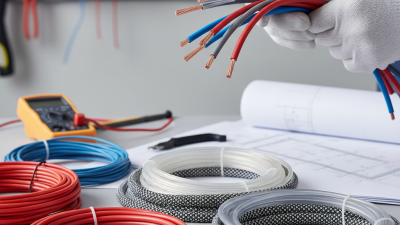
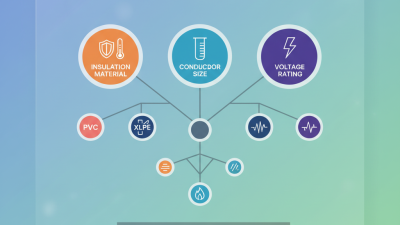
Control cables play a crucial role in global supply chains, facilitating communication and power transfer in various applications. When selecting control cables, key specifications must be considered. The most vital specifications include conductor material, insulation type, and temperature rating. Copper is often preferred for its conductivity but can be heavier. Aluminum offers a lightweight alternative but may not meet all requirements.
Temperature ratings are critical. Many cables operate effectively in a range from -40°C to +105°C. Reliable performance under extreme conditions is essential for supply chain efficiency. Insulation materials such as PVC or XLPE should be assessed for durability and resistance to chemicals, oils, and abrasion. Selecting a cable with the right insulation can reduce maintenance costs and increase lifespan.
Tip: Always verify cable certifications. Opt for products that meet international standards. This ensures quality and reliability in critical supply chain operations. Additionally, examine the cable's flexibility and bending radius, especially if it will be installed in tight spaces. Not all cables suit every environment, so small choices can have significant impacts on performance.
Market Trends: Growth of Control Cables in International Logistics
The demand for control cables in international logistics is on the rise. Recent data from the International Logistics Association shows that the market for control cables is projected to grow by 6% annually through 2027. This growth stems from increased automation in supply chains.
Control cables enhance connectivity between various logistical components. Increased efficiency results in better tracking and control of shipments. For instance, integrating these cables into automated systems can reduce delays. However, there are concerns about the reliability of these systems. Some organizations still face challenges in adapting to new technologies.
Additionally, sustainability has become crucial. Many manufacturers are addressing environmental concerns by using recyclable materials. Yet, the shift toward eco-friendly solutions takes time. Companies must balance cost with sustainability. This ongoing transition highlights the need for careful planning in the selection of control cables.
Global Supply Chain Trends: Growth of Control Cables
Regulatory Standards Affecting Control Cables in Global Trade
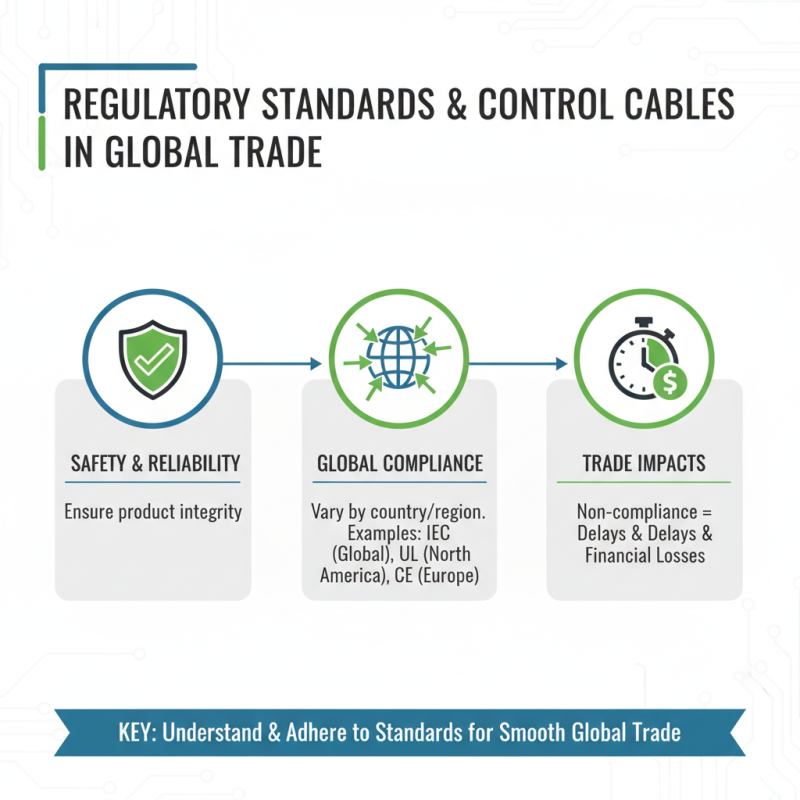
Regulatory standards play a crucial role in the global trade of control cables. These standards ensure safety, reliability, and performance. Countries often have specific requirements for cables used in various applications. Non-compliance can lead to delays and financial losses, underscoring the importance of understanding these regulations.
For manufacturers, staying updated on regulations is vital. Changes can occur with little notice. Failing to comply can result in halted shipments or costly recalls. It’s essential to invest time in research. Professionals should consult legal advisors and industry experts. This preparation can prevent missteps.
Tips: Review documentation regularly. Keep up with updates. Build relationships with regulatory bodies. Keep records of compliance efforts. Engage with industry forums to share experiences. Discuss challenges openly. This can foster insights and strategies.
Moreover, the complexity of regulations can be daunting. Some guidelines overlap while others may contradict. An incorrect interpretation may lead to costly errors. Continuous education and training programs help. Investing in staff skills is always beneficial. Encourage feedback from team members. This will enhance overall compliance and optimize operations.



 +86 13777722188
 WHATSAPP
 PHONE
PHONE E-MAIL