2026 Best Electric Wire Options for Your Home Improvement Projects?
Choosing the right electric wire for home improvement projects is crucial. John Smith, a renowned electrical engineer, once stated, "Electric wire choice can make or break your project." This emphasizes the importance of selecting high-quality materials.
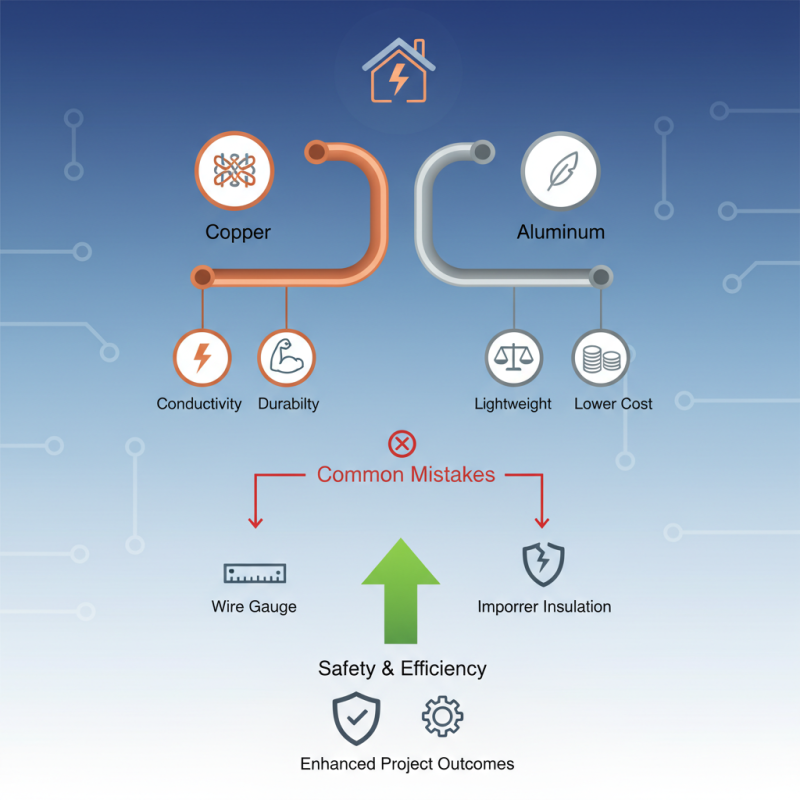
In 2026, homeowners face numerous options. From copper to aluminum, each wire type serves different purposes. Copper wires are known for their conductivity and durability. Aluminum, however, is lightweight and less costly, making it popular in certain setups. Understanding these differences is key to ensuring safety and efficiency.
But even with the best intentions, mistakes can happen. Some people overlook wire gauge, which can lead to issues. Additionally, improper insulation can result in hazards. Reflecting on these factors helps enhance project outcomes and safety.
Types of Electric Wires Suitable for Home Improvement Projects
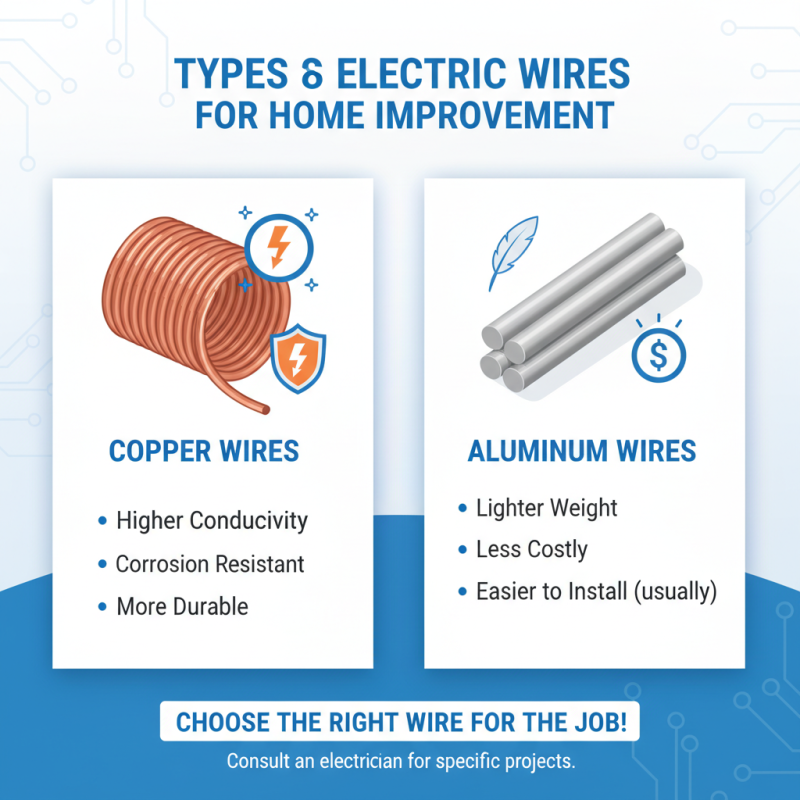
When it comes to home improvement projects, choosing the right electric wire is essential. Various types of electric wires serve different purposes and environments. Copper and aluminum wires are the most commonly used. Copper wires are known for their higher conductivity and resistance to corrosion. However, aluminum wires are lighter and typically less costly.
According to the National Electrical Manufacturers Association (NEMA), about 90% of residential electrical systems utilize copper wiring. This prevalence underscores copper’s reliability. However, there is growing interest in aluminum due to its weight benefits and cost-effectiveness. Increasing home improvement costs prompt many DIY enthusiasts to explore alternatives.
Another option is the use of low-voltage wiring. This type is perfect for specific applications like landscape lighting or security systems. It operates at a safer voltage level. The National Fire Protection Association (NFPA) reports that low-voltage installations can reduce fire risks. Nonetheless, improper installation remains a concern. Adequate knowledge of local electrical codes is crucial. Understanding the types of wires helps ensure safety and efficiency in home projects.
Factors to Consider When Choosing Electric Wire for Your Home
Choosing the right electric wire for home improvement projects can be daunting. Several key factors should guide your decision. First, consider the wire gauge. Lower gauge numbers indicate thicker wires that can carry more current. Thicker wires are ideal for high-power appliances.
Additionally, the wire type matters. For general use, copper wire is recommended due to its excellent conductivity.
Insulation type is another crucial factor. There are various insulation materials, each suited for different environments. For example, NM-B wire is perfect for indoor use, while UF wire is designed for outdoor applications. Remember, the environment where the wire will be installed can dictate your choice.
Cost is often a concern, but don’t compromise safety for savings. Cheap wires may lead to future problems or hazards. Carefully consider the overall value of your investment. When in doubt, consulting with a professional electrician can provide clarity. They can offer insight based on experience, ensuring you make the best decision for your home’s electrical needs.
Comparing Copper and Aluminum Wire: Pros and Cons
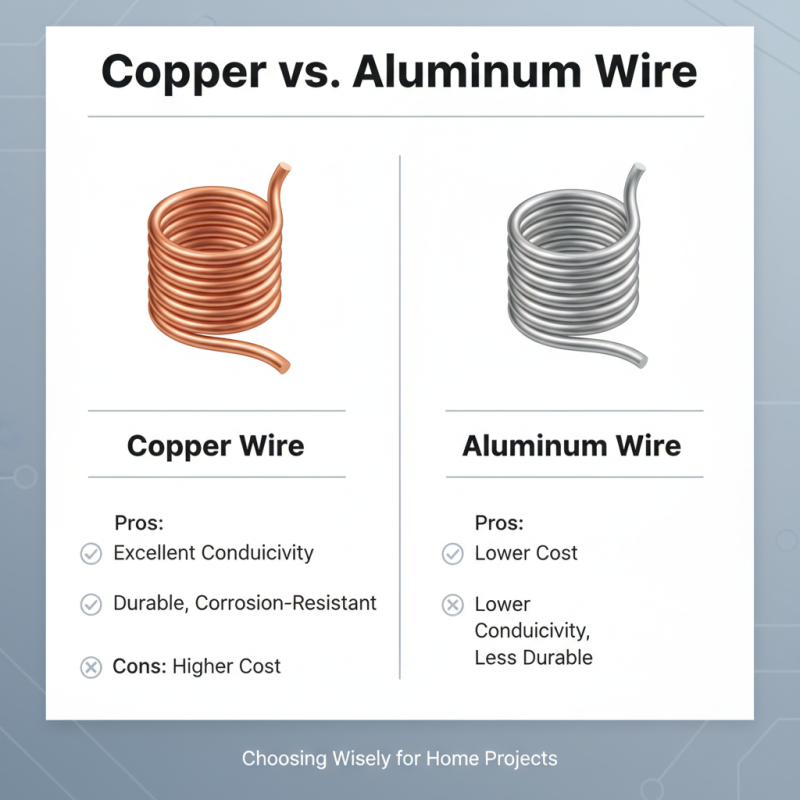
When it comes to electrical wiring, choosing between copper and aluminum wire is crucial for home improvement projects. Copper wire remains a popular choice due to its excellent conductivity. It’s durable and resistant to corrosion, making it ideal for various applications. However, its higher price tag can be a drawback for those on a budget.
On the other hand, aluminum wire is lighter and significantly cheaper than copper. It can still deliver adequate performance, but you must be cautious about connections. Aluminum can expand and contract more than copper, which may lead to loose connections over time. This requires regular checks to ensure safety and efficiency.
Ultimately, the choice often comes down to specific project needs and costs. While copper may offer reliability, aluminum provides a cost-effective solution with attention to detail. Each option has its trade-offs, presenting challenges for homeowners. Balancing these factors is vital to making an informed decision.
Best Practices for Installing Electric Wire Safely and Effectively
When it comes to installing electric wire, safety should always be a priority. According to the National Fire Protection Association (NFPA), faulty wiring causes nearly 67,000 home fires each year. To prevent such incidents, it's crucial to follow best practices throughout your project.
Start by choosing the right type of wire. Use non-metallic sheathed cables for indoor projects and UF cables for outdoor applications. This not only adheres to National Electrical Code (NEC) standards but also improves safety. Ensure all connections are secure, using proper electrical boxes and connectors. Regularly checking for frayed or damaged wires can prevent risks as well.
**Tips:** Always work with the power turned off. Use a multimeter to check for voltage. Label your circuits to make troubleshooting easier.
As you install wiring, pay attention to spacing and route planning. Insufficient spacing can lead to overheating, while improper routing may result in accidents. Even experienced electricians often reflect on past missteps. Learning from these experiences is vital. Focus on continuous education about local codes and standards to enhance your expertise. Staying updated helps in executing projects more safely and effectively.
2026 Best Electric Wire Options for Your Home Improvement Projects
Top Brands and Products for Electric Wire in 2026
When considering electrical wire options for home improvement, industry data shows a growing demand for high-quality materials. According to the National Electrical Manufacturers Association (NEMA), the market for electrical wires is expected to reach $25 billion by 2026. This uptick is driven by the rise in residential renovations and an emphasis on energy-efficient solutions.
In 2026, homeowners will benefit from a range of electric wire types. Copper wire remains a popular choice for its excellent conductivity. Meanwhile, aluminum wire is favored for its lightweight and cost-effective properties. Recent reports indicate that aluminum can provide an alternative that is 30% lighter than copper. Yet, it’s essential to consider the corrosion issues associated with aluminum, which can raise long-term maintenance concerns.
As technology advances, the introduction of specialized wires is expected. Low-voltage wire, for instance, enables efficient energy use in outdoor lighting and smart home systems. However, users must ensure proper installation to avoid safety hazards. With increased awareness of electrical safety, understanding wire types and practices will be crucial for both DIY enthusiasts and professionals alike. Embracing these advancements while weighing their downsides will enhance any home improvement project in 2026.
2026 Best Electric Wire Options for Your Home Improvement Projects
| Wire Type |
Gauge |
Material |
Overall Rating |
Price per Foot |
| THHN |
12 |
Copper |
4.5/5 |
$0.30 |
| NM-B |
14 |
Copper |
4.0/5 |
$0.22 |
| UF |
10 |
Copper |
4.8/5 |
$0.50 |
| SJOOW |
8 |
Rubber |
4.3/5 |
$0.85 |
| RVS |
16 |
Copper |
4.2/5 |
$0.15 |



 +86 13777722188
 WHATSAPP
 PHONE
PHONE E-MAIL