2026 Best Electric Wire Types for Your Home and Projects?
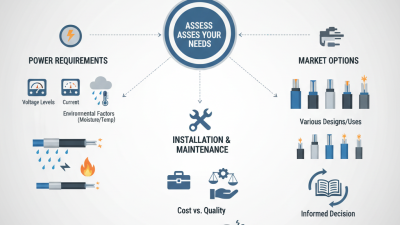
Choosing the right electric wire is crucial for your home and projects. The variety of electric wire types can be overwhelming. Each type serves a specific purpose, and understanding these differences is vital.
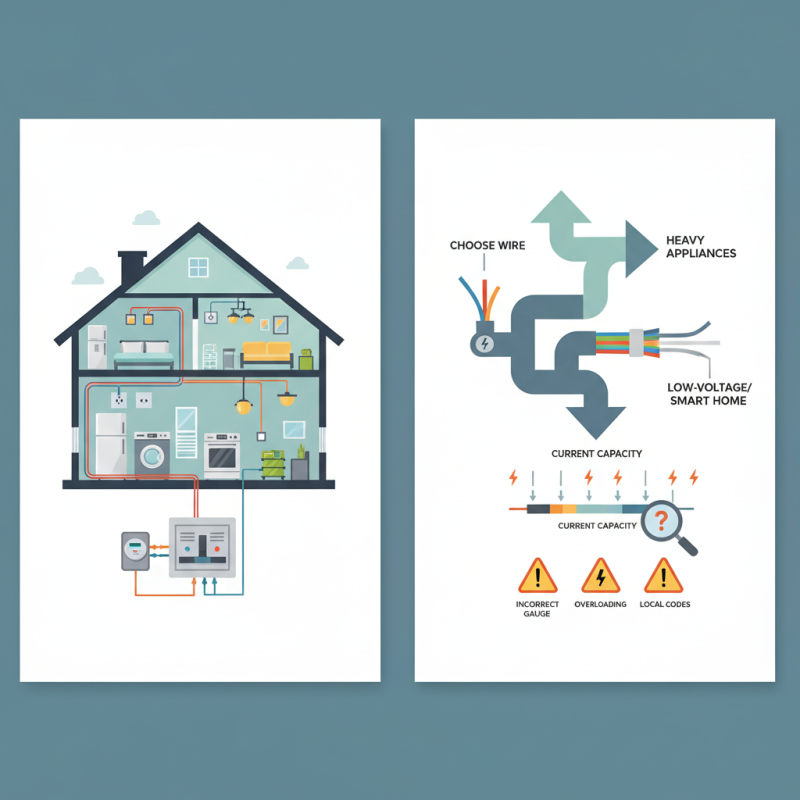
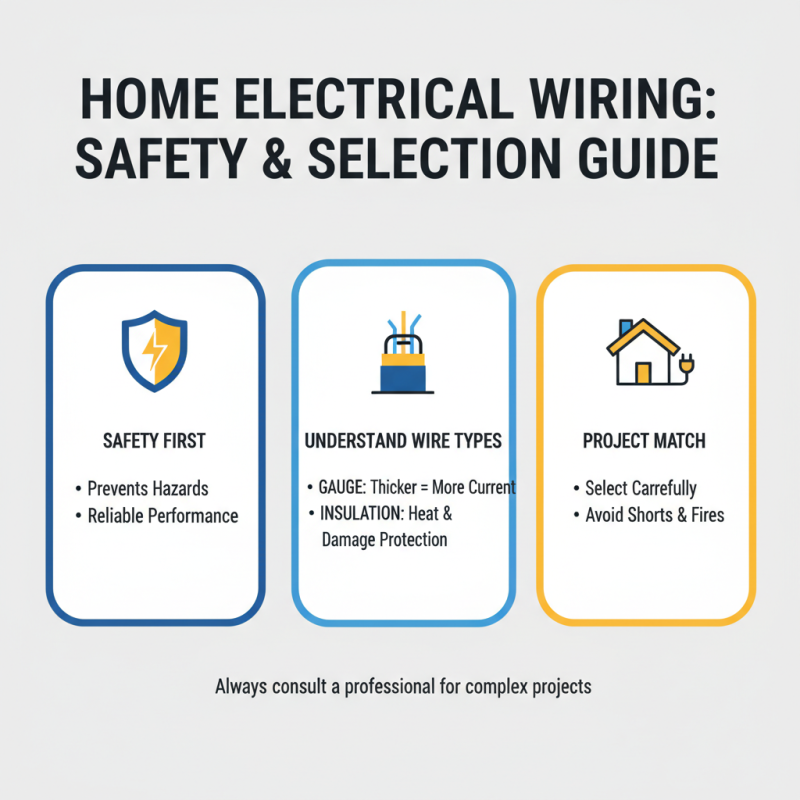
Electric wire is used in countless applications. From lighting fixtures to heavy appliances, the right wire ensures safety and efficiency. For instance, the gauge of the wire determines how much current it can safely carry. A lower gauge means a thicker wire, suitable for high-demand circuits.
Many homeowners make mistakes when selecting electric wire. They may overlook local codes or choose the wrong gauge. This can lead to potential hazards. Reflecting on your choices is essential to avoid issues later. Knowing the best electric wire types will help you make informed decisions. This can save you time, money, and grief in the long run.
Best Electric Wire Types for Home Use: A Comprehensive Guide
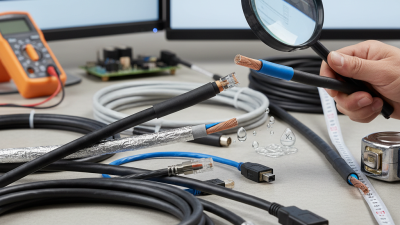
When choosing electric wire types for your home, consider safety, capacity, and application. There are several types of wire available. The most common types include NM (non-metallic) cable, which is great for indoor use. It's flexible and easy to install. For outdoor applications, UF (underground feeder) cable is waterproof and durable. They help avoid electrical issues outdoors.
Here’s a tip: Always check local codes before starting any electrical project. Codes can vary, and not following them can lead to serious problems.
Think about gauge size. A lower gauge means thicker wire, and thicker wire can carry more current. This is essential for heavy appliances. Using the wrong gauge may cause overheating. Be aware that your choices can affect the performance of devices in your home.
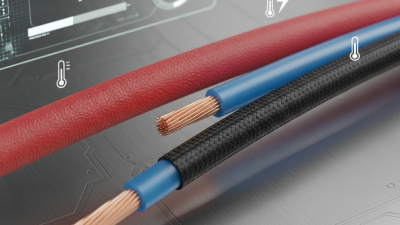
Another important consideration is insulation. Some wires come with different insulation types. PVC is common but may not be suitable for extreme temperatures. Take some time to research various insulations for different environments. Sometimes, what works well at first may not hold up over time. Your future self will appreciate the extra effort.
2026 Best Electric Wire Types for Your Home and Projects
| Wire Type |
Gauge |
Application |
Max Amperage |
Material |
Price per Foot |
| NM-B Cable |
14 |
Indoor Wiring |
15 |
Copper |
$0.20 |
| THHN Wire |
12 |
Commercial Wiring |
20 |
Copper |
$0.35 |
| UF Cable |
10 |
Underground Wiring |
30 |
Copper |
$0.50 |
| Romex Cable |
14 |
Residential Wiring |
15 |
Copper |
$0.25 |
| SEU Cable |
6 |
Service Entrance |
55 |
Aluminum |
$1.00 |
Understanding the Different Gauge Sizes of Electric Wire
When selecting electric wire for your home, understanding gauge sizes is crucial. Gauges measure wire thickness. The lower the gauge number, the thicker the wire. For residential projects, common gauges include 14, 12, and 10. A 14-gauge wire typically handles up to 15 amps, while 12-gauge can handle up to 20 amps. This data, sourced from the National Electrical Code, offers insights for safe installations.
Thicker wires can support longer distances without losing power. For example, a 14-gauge wire might lose about 3.5% voltage at 90 feet. However, choosing a thicker wire than necessary can lead to unnecessary expense. Users often overlook the impact of gauge size on electrical efficiency. It's essential to balance cost and safety. Some projects may combine various gauges, which can complicate installations.
Proper gauge selection ensures safety and efficiency. Many homeowners still use incorrect gauges, risking overloading and potential hazards. It's vital to assess the specific needs of each project and consider future expansions. Awareness of gauge discrepancies helps in making educated choices.
Comparing Copper Wire vs. Aluminum Wire: Which is Better?
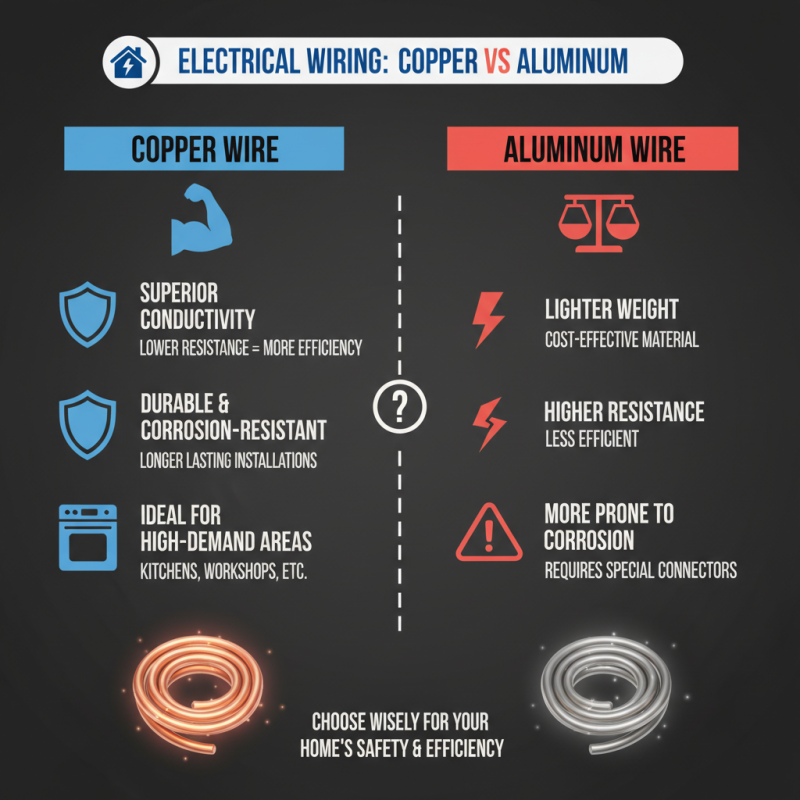
When it comes to electrical installations in your home, the choice between copper wire and aluminum wire is crucial. Copper wire is known for its excellent conductivity. It has a lower resistance, which means better efficiency. This can be especially beneficial in high-demand areas, such as kitchens or workshops. Copper is also more durable and less prone to corrosion. Some homeowners may overlook this detail, but it impacts the longevity of the installation.
On the flip side, aluminum wire is usually less expensive. It is lighter, making it easier to handle during installation. However, its conductivity is not as high as copper. With aluminum, you may need thicker wires to carry the same current load, which could lead to other complications. It's also more susceptible to oxidation, which can create risk factors over time. Many people neglect to check for signs of wear, possibly leading to safety issues.
In considering which wire to use, think about your specific needs. Are you focusing on budget, or is durability more important? Reflect on your future plans too. Choosing the right type of wire can influence your electrical system's efficiency and safety. The decision may seem straightforward, but it deserves careful thought.
Selecting the Right Insulation Type for Electric Wire Applications
Selecting the right insulation type for electric wire applications is crucial. Insulation affects performance, safety, and longevity. Common insulations include PVC, THHN, and rubber. Each offers unique benefits for different projects. For instance, PVC is widely used for residential wiring. Its versatility is appealing to many.
Data from industry reports indicate that nearly 30% of electrical failures are due to insulation issues. Understanding thermal resistance is important. Wires with better thermal ratings last longer. Rubber, while more expensive, can withstand extreme temperatures. This makes it valuable in challenging environments.
Not all applications require high-end insulation. Sometimes, basic options suffice. However, using inferior insulation can lead to mishaps. It can impact conductivity and increase fire risks. Project managers must weigh cost against safety. Choosing the right insulation protects both the installation and its users.



 +86 13777722188
 WHATSAPP
 PHONE
PHONE E-MAIL