2026 Best Power Cable Options for Your Home and Office Needs?
In today’s tech-driven world, the importance of a reliable power cable cannot be overstated. A high-quality power cable is essential for both home and office setups. It ensures devices operate efficiently and safely. Different environments may require unique considerations regarding power cables.
Choosing the right power cable can feel overwhelming. With various options available, it's easy to overlook specific needs. For instance, length, gauge, and insulation type matter greatly. Improper choices may lead to inefficiencies or even safety hazards. Many users have faced issues due to subpar cables. A faulty connection can disrupt work and lead to frustration.
The 2026 best power cable options aim to address these concerns. By focusing on quality and compatibility, these selections promise enhanced performance. Investing time in understanding power cables will pay off. It can lead to a smooth and productive experience in both home and office environments. Explore your options and reflect on what works best for you.
Top Factors to Consider When Choosing Power Cables for Your Space
When selecting power cables for your home or office, several key factors come into play. The type of cable matters. For instance, thicker cables can handle more current. However, they can be less flexible. Consider the purpose of each cable. It might seem convenient to use the same cable everywhere. Yet, this can lead to inefficiencies. Each space has different power needs.
Tips: Always check the amperage rating. This ensures safety and efficiency. Evaluate the length of the cable too. Cables that are too long can result in voltage drops. Look at the material as well. Copper wires are often more conductive than aluminum. But aluminum might cost less.
The environment where you plan to use the cables also influences your choice. Indoor cables often differ from outdoor ones. Environmental factors like moisture and temperature can affect durability. If you work in a cluttered space, choose cables that resist tangling. A messy area can lead to accidents or equipment damage. Finding the right balance is challenging. It's essential to weigh aesthetics against practicality when choosing colors and styles.
2026 Best Power Cable Options for Your Home and Office Needs
| Cable Type |
Length (ft) |
Gauge (AWG) |
Material |
Price ($) |
Recommended Use |
| Type A - Standard |
6 |
16 |
Copper |
15 |
General Use |
| Type B - Heavy Duty |
10 |
14 |
Copper |
25 |
Tools & Machinery |
| Type C - Extension |
15 |
16 |
Copper |
20 |
Indoor/Outdoor |
| Type D - Low Voltage |
25 |
18 |
Copper |
30 |
LED Lighting |
| Type E - Multi-Plug |
12 |
16 |
Copper |
18 |
Multiple Devices |
Types of Power Cables Suitable for Home and Office Environments
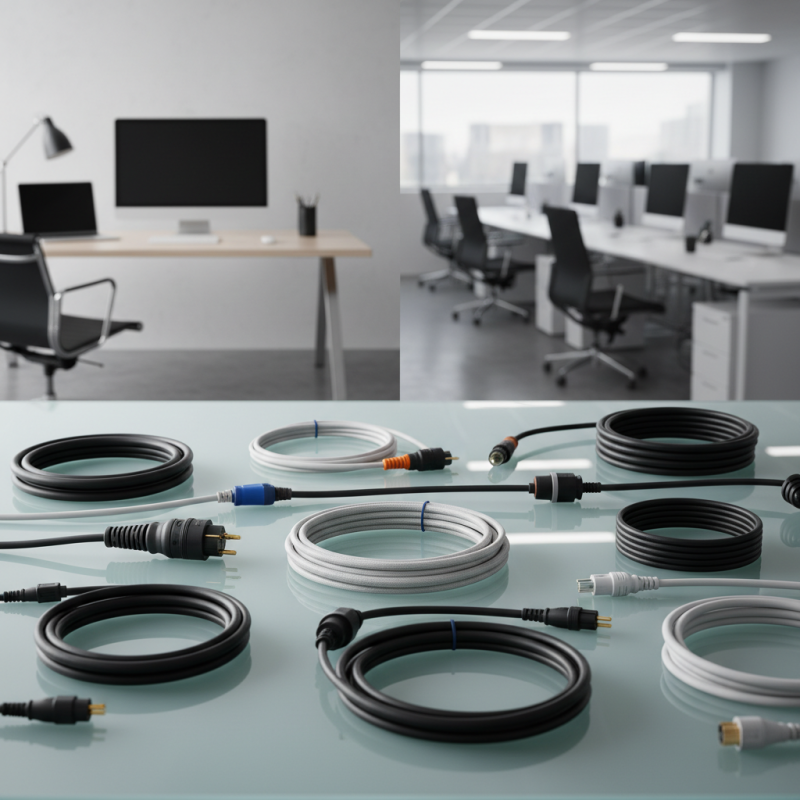
When setting up your home or office, choosing the right power cables is crucial. Different environments require specific types. For standard use, consider using general-purpose extension cords. They are versatile and suitable for most devices.
For home theaters or audio setups, look for cables designed for high-speed data transfer. These cables minimize interference and enhance sound quality. It’s essential to check their ratings. Often, people overlook this detail, leading to potential issues later.
Tip: Maintain a tidy workspace by using cable organizers. They keep cords from tangling and improve aesthetics.
In office settings, power strips with surge protection are vital. They protect sensitive devices from voltage spikes. Cheaper power strips may lack safety features. This could lead to hazards or equipment damage.
Tip: Regularly inspect cables for wear and tear. Replace any damaged cords immediately to ensure safety.
Comparative Analysis of Popular Power Cable Brands in 2026
In 2026, the demand for reliable power cables continues to rise. Many users seek safer and more efficient options for their homes and offices. The market offers a variety of power cable brands, each with unique features. Some specialize in durability, while others focus on flexibility. It's essential to analyze these features based on individual needs.
One popular trend this year is the shift toward eco-friendly materials. Users are becoming more conscious of their environmental impact. Some cables incorporate recycled materials, reducing waste. However, these alternatives may come with trade-offs, like lower durability. Additionally, customers often express concerns about compatibility with their devices. Understanding voltage ratings is crucial to avoid mishaps.
Another aspect to consider is pricing. While some brands offer low-cost cables, performance can vary widely. Investing in a slightly pricier option may result in better longevity. Yet, it’s not always clear which choices truly offer the best value. Users often regret not doing enough research before making purchases.
2026 Best Power Cable Options for Your Home and Office Needs
This chart compares the performance of various power cable types based on key factors such as durability, flexibility, price, and customer satisfaction ratings in 2026.
Safety Standards and Certifications for Power Cables You Should Know
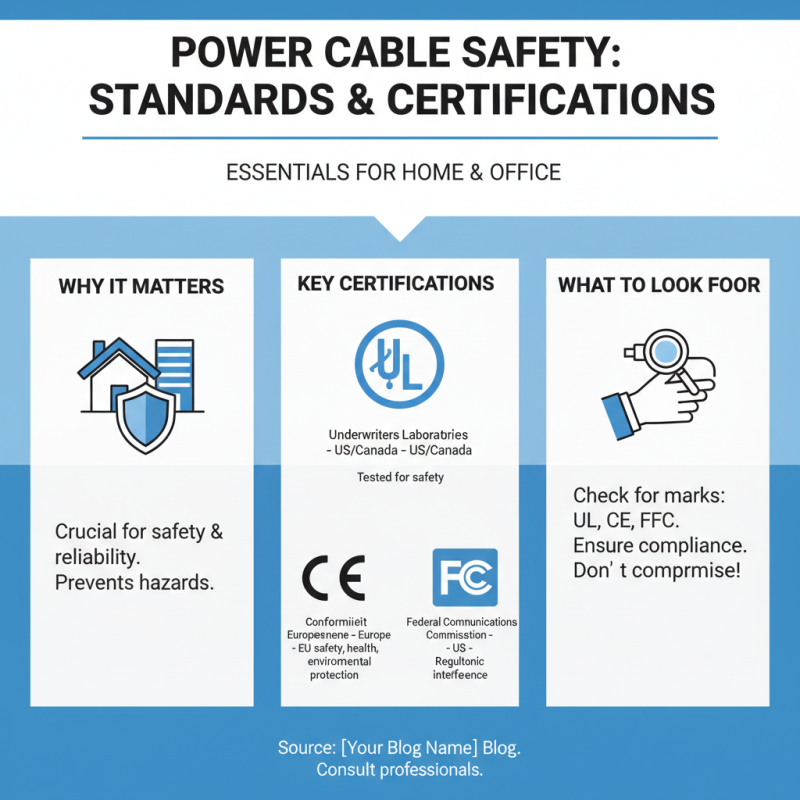
When choosing power cables for home and office, safety standards are crucial. These cables must comply with specific regulations. Look for certifications like UL, CE, or FCC. Each ensures the cable meets safety requirements. For example, UL approval indicates that the cable has been tested for safety and reliability.
Moreover, not all cables are created equal. Some may look robust but lack appropriate safety features. Check for certifications before making a purchase. Inspecting the cord's insulation can prevent short circuits. Proper grounding and strain relief are also key safety aspects. Reflect on your needs; an overlooked detail could lead to problems.
The environment matters too. Choose cables made from non-toxic materials. They are safer for your family and pets. Additionally, consider the cable length. A longer cable can lead to voltage drop issues. This may cause overheating, posing a risk. Stay informed and make thoughtful choices. Every detail counts in ensuring safety and functionality.
Tips for Proper Installation and Maintenance of Power Cables
When it comes to installing and maintaining power cables, attention to detail is crucial. Make sure to inspect the cables for any signs of wear or damage before installation. Look for frayed insulation or exposed wires. These can become safety hazards over time. It’s wise to use proper connectors and ensure they are securely fastened. Loose connections can lead to overheating or electrical fires.
Proper cable routing also matters. Avoid sharp bends and kinks in the cable. They can weaken the material and reduce lifespan. Keep cables away from heat sources, which can degrade insulation. If possible, use cable covers to protect them from physical damage. Regularly check connections and look out for unusual odors or heat. This could be an indication of trouble.
It’s important to reflect on your practices. Many people overlook the importance of maintenance. A regular check-up can save you from unexpected failures or safety risks. Remember, investing time in proper installation and maintenance pays off in the long run. You want to ensure that your power setup is safe and efficient. Consider these details to enhance your home and office environment.



 +86 13777722188
 WHATSAPP
 PHONE
PHONE E-MAIL