2026 Best PVC Aluminum Cable Choices for Your Electrical Needs?
Choosing the right materials for electrical projects can be daunting. Among the various options available, PVC aluminum cables stand out. These cables offer reliability and flexibility for different applications. Understanding the key features is essential for making an informed choice.
PVC aluminum cables come in various sizes and specifications. Their insulation helps in reducing electrical losses. Yet, one must consider environmental factors that may affect performance. The durability of these cables is often praised, but they can show wear over time.
With numerous brands on the market, finding the best options becomes crucial. Quality can vary significantly. It's important to weigh the pros and cons of each choice. Don’t overlook the importance of proper installation. Mistakes can lead to safety hazards and costly repairs. Evaluating your specific needs will guide you to the best PVC aluminum cable for your project.
Overview of PVC Aluminum Cables and Their Applications
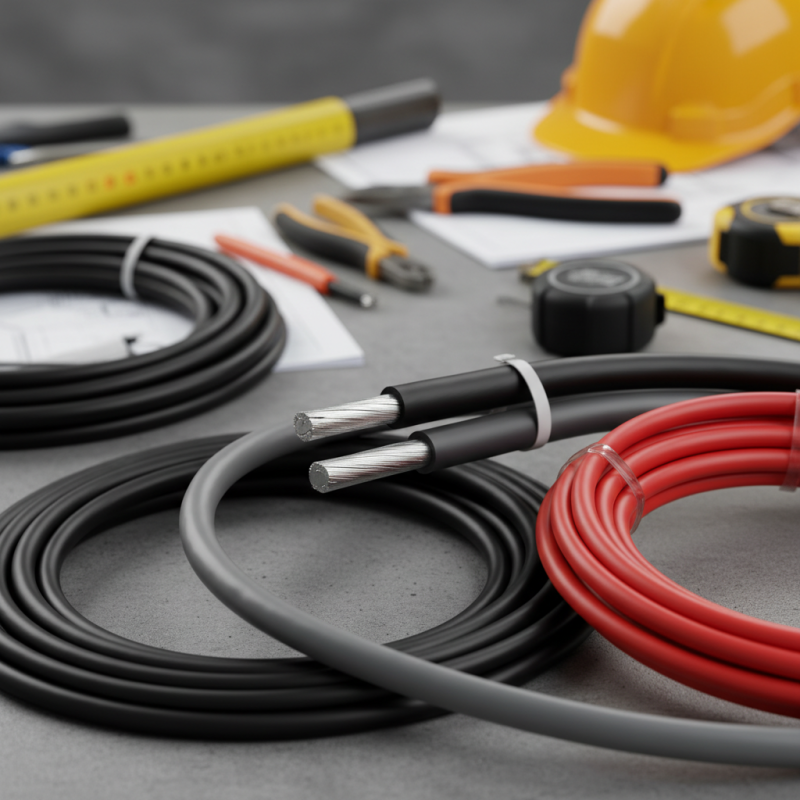
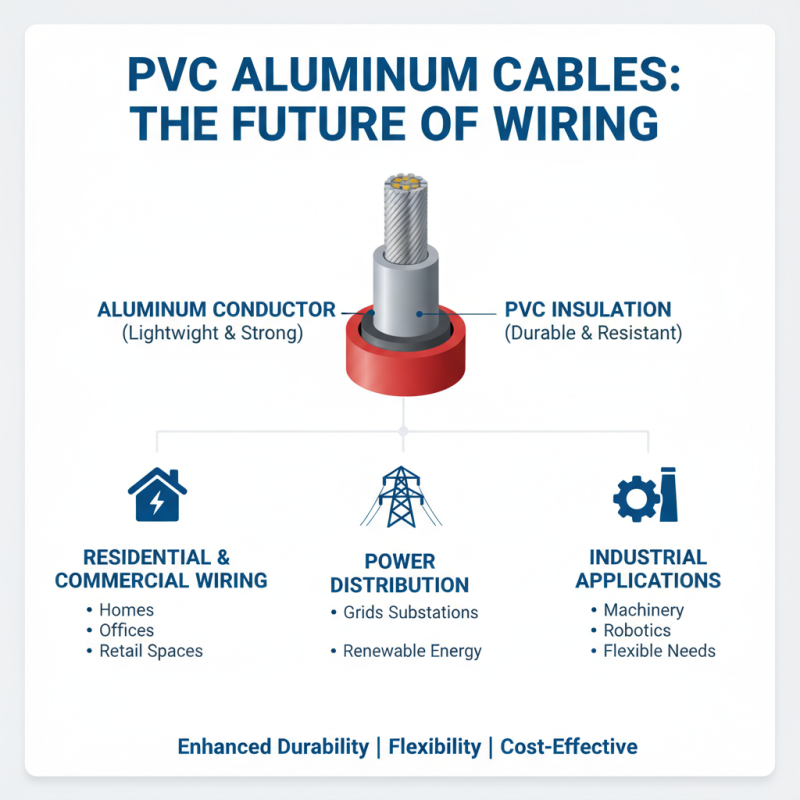
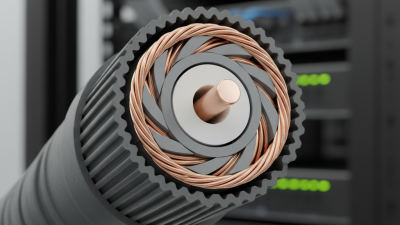
PVC aluminum cables are becoming increasingly popular in various electrical applications. These cables consist of an aluminum core, which is lightweight yet strong, wrapped in a PVC insulation layer. This design enhances durability and resistance to environmental factors. They are commonly used in residential and commercial wiring, power distribution, and even in industrial settings where flexibility is crucial.
One key advantage of PVC aluminum cables is their affordability compared to copper alternatives. Many projects benefit from this cost-effectiveness, particularly during large-scale installations. However, they may not conduct electricity as efficiently as copper. Users should consider their specific needs and power requirements before selecting these cables. Sometimes, sacrificing efficiency for lower costs can lead to challenges down the line. It's essential to reflect on what best suits your project and consider future requirements.
Key Features of High-Quality PVC Aluminum Cables
When selecting PVC aluminum cables, quality is vital. High-quality cables ensure safety and efficiency. The insulation material should withstand heat and environmental factors. For instance, cables that comply with UL standards often show better thermal resistance. These cables can handle temperatures up to 90°C without losing integrity.
Conductors made from aluminum provide weight savings. Reports suggest aluminum cables are nearly 50% lighter than copper alternatives. This feature simplifies installation and reduces support costs. However, aluminum's conductivity is lower than copper's. Proper sizing is crucial to minimize energy loss.
Look for cables with anti-corrosive coatings. These coatings increase lifespan and reliability. Many cables may look robust but fail under harsh conditions. A data analysis from industry experts indicates that poorer insulation can lead to a 20% increase in failure rates. Make sure to review these features in your electrical needs. Investing in quality is not just about performance, it’s about safety too.
Comparative Analysis of Leading PVC Aluminum Cable Brands
When selecting PVC aluminum cables, it's crucial to compare different brands. Various factors can influence your choice. These include price, durability, and flexibility in installation. Many brands offer unique features, but quality can vary significantly.
Some cables might claim high durability, yet in practice, they may not hold up well. Users have reported issues with certain brands failing under specific conditions. It's essential to investigate these claims thoroughly.
While one brand may excel in heat resistance, another might offer superior flexibility. The trade-offs can be confusing. Additionally, the required certifications can differ, complicating your decision further. Consider feedback from other users. Real-world experiences provide invaluable insights that specifications alone may not reveal.
2026 Best PVC Aluminum Cable Choices for Your Electrical Needs
Factors to Consider When Choosing PVC Aluminum Cables
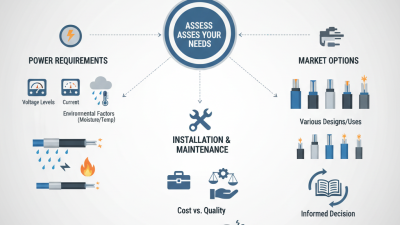
When choosing PVC aluminum cables, several factors matter. First, consider the cable's conductivity. Aluminum has lower conductivity compared to copper. Yet, it's lighter and more cost-effective, which makes it a popular choice. According to industry reports, aluminum cables can conduct about 61% of the electrical power that copper cables can. This means you might need a larger gauge of aluminum cable to achieve similar performance.
Next, assess the insulation type. PVC insulation is common due to its durability and resistance to moisture. However, its thermal properties can degrade over time, especially in extreme conditions. A study indicated that nearly 30% of insulation failures occur due to environmental exposure. Think about where the cable will be installed. If it's outdoors, choose higher-rated insulation for better longevity.
Finally, gauge size can’t be overlooked. Selecting the right gauge impacts both performance and safety. A too-small gauge can cause overheating. On the other hand, oversized cables may lead to unnecessary costs without added benefits. It’s crucial to find a balance based on your project's specific needs and requirements. Reflect on these aspects carefully to make informed decisions.
Installation and Maintenance Tips for Optimal Performance
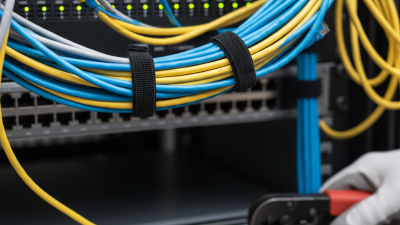
When choosing PVC aluminum cables, installation and maintenance play a crucial role in performance. Proper installation techniques can reduce electrical resistance and improve safety. Many experts recommend following the National Electrical Code (NEC) standards. According to recent studies, improper installation can lead to a 30% increase in failure rates. This is a significant statistic.
Regular maintenance is vital to keep cables functioning optimally. Visual inspections should be routine. Look for signs of wear, discoloration, or corrosion. Studies show that 40% of electrical failures stem from poor maintenance practices. It's not just about the initial installation; neglect can lead to costly issues later.
Keep connectors and joints clean. Over time, dust and moisture can accumulate, affecting conductivity. Consider investing in a multimeter to check for unusual voltage drops. Addressing small issues early can prevent catastrophic failures. Inadequate attention to these details can cause unexpected outages. These may seem like minor points, but they matter. Small oversights can have big consequences.
2026 Best PVC Aluminum Cable Choices for Your Electrical Needs
| Cable Type |
Conductor Size (AWG) |
Voltage Rating (V) |
Max Ampacity |
Application |
Installation Tips |
| PVC Aluminum Wire |
12 AWG |
600 V |
20 A |
Residential Wiring |
Ensure proper connections to prevent corrosion. |
| Weatherproof PVC Cable |
10 AWG |
600 V |
30 A |
Outdoor Installations |
Use heat-shrink tubing to seal connections. |
| Shielded PVC Cable |
14 AWG |
600 V |
15 A |
Industrial Equipment |
Ensure grounding for optimal performance. |
| Flexible PVC Cable |
16 AWG |
300 V |
10 A |
Portable Devices |
Avoid sharp bends during installation. |



 +86 13777722188
 WHATSAPP
 PHONE
PHONE E-MAIL