Best Solar Wire Types for Efficient Energy Solutions?
Choosing the right Solar Wire is crucial for any solar energy system. Solar wire types impact energy efficiency and overall system performance. With various options available, understanding their features is essential.
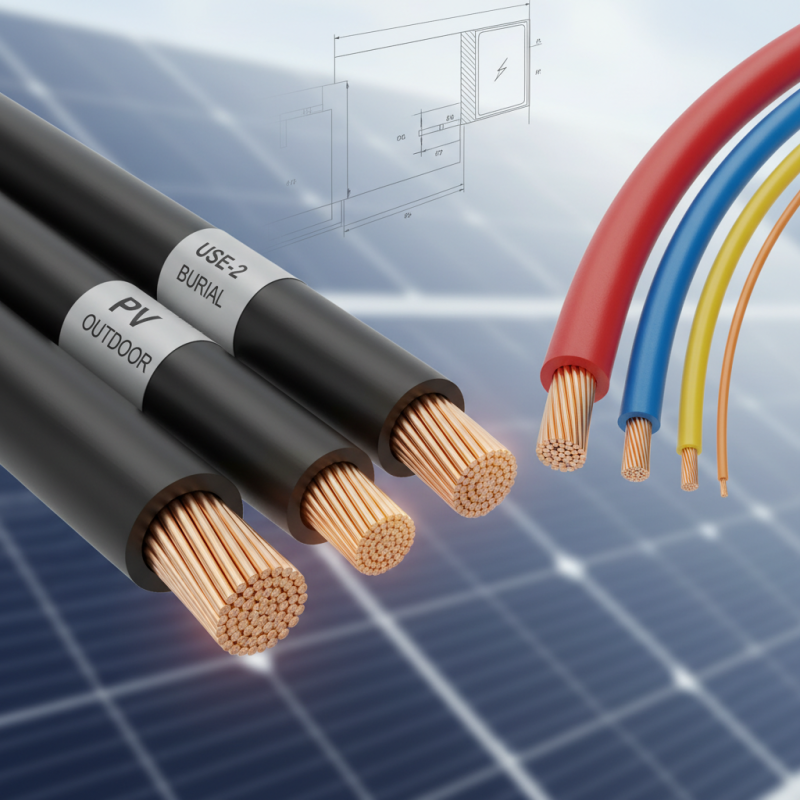
Solar Wire comes in several types, each with distinct advantages. For instance, photovoltaic (PV) wire is often favored for outdoor setups. It offers excellent resistance to UV radiation and moisture. Another option is USE-2 wire, suitable for direct burial, enhancing installation flexibility. Yet, navigating these choices can be overwhelming.
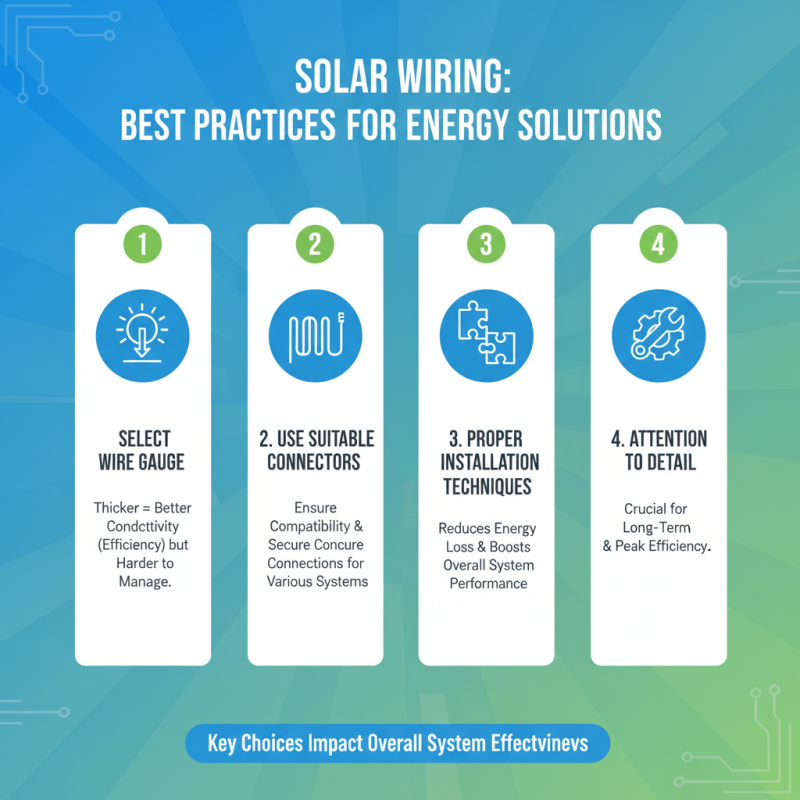
Many users overlook the importance of wire gauge. Thicker wires reduce voltage drop but can be more costly. Meanwhile, thinner wires are lighter but may lead to inefficiencies. Evaluating your specific needs can help strike the right balance. Understanding these details ensures better performance and longevity for your solar investment.
Types of Solar Wires: An Overview of Common Options
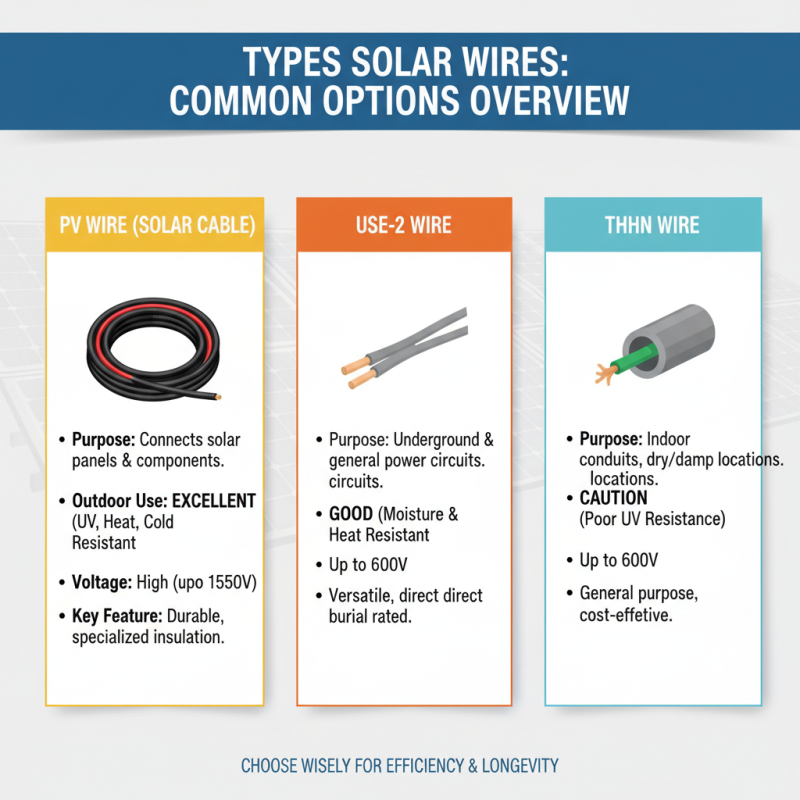
When considering solar energy, the type of wire used significantly influences efficiency. Solar wires are designed to endure harsh weather and high voltages. Common types include THHN wires, which are versatile but not always the best for outdoor use. They tend to deteriorate under UV exposure.
Another option is USE-2 wire. This type is explicitly designed for solar applications. It is rated for outdoor use and resistant to water and sunlight. Many installers prefer it for its durability. However, it can be more expensive than other types.
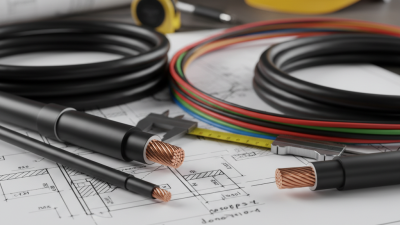
Lastly, PV wire is another common choice. It is specifically engineered for solar panels and can handle extreme temperatures. Its construction allows flexibility, making installation easier. Some may find it challenging to source local suppliers for PV wire. Understanding these wires ensures a safer and more efficient solar energy system.
Properties of Solar Wires: Conductivity, Insulation, and Durability
When selecting solar wires for efficient energy solutions, understanding their properties is crucial. Conductivity directly impacts how much energy can be transmitted. Copper wires often outperform aluminum due to better electrical conductivity, with copper having a conductivity of about 59.6 × 10^6 S/m compared to aluminum's 37.7 × 10^6 S/m. These figures emphasize copper's superiority for optimal performance in solar systems.
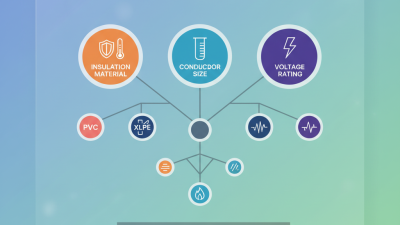
Insulation is another key factor. Wires need insulation that can withstand high temperatures and environmental exposure. Thermoplastic materials like PVC are common, but UV resistance is vital for outdoor installations. According to a report from the International Electrotechnical Commission, inadequate insulation can lead to energy losses of up to 30%. This highlights the importance of selecting the right type of insulation material to prevent degradation.
Tips: When choosing solar wires, consider factors such as conductivity ratings and insulation types. Regularly inspect connections to prevent wear and tear. Always stay informed about emerging materials and technologies that may enhance performance. Remember, maintaining a balance between cost and quality is essential in the long run. Investing in quality solar wires pays off through increased energy efficiency and durability.
Choosing the Right Wire Gauge for Solar Panel Systems
Selecting the right wire gauge is crucial for solar panel systems. The gauge affects the efficiency and safety of your setup. A lower gauge number indicates a thicker wire. Thicker wires can carry more current, reducing energy loss over distances. For most residential systems, 10 to 12 gauges are typical for DC wiring. However, this may vary based on your specific setup and distance from the inverter.
Wire length and load capacity also play significant roles. Long runs of wire can lead to voltage drop. For longer distances, consider using a lower gauge wire to minimize this issue. It’s a delicate balance between cost and efficiency. Sometimes, people underestimate the importance of proper wire sizing. Choosing the wrong gauge can lead to overheating and potential system failures.
In addition, always ensure that your wiring meets local electrical codes. This adds an extra layer of safety to your solar installation. Quality and durability should be your priorities when selecting solar wire. While it might be tempting to cut costs, reliable wiring is essential for long-term performance. Reflect on your choices. Are they truly serving your energy goals? This is an important question every solar installer should ask.
Understanding Wire Ratings: Importance and Compliance Standards
When choosing solar wires, understanding wire ratings is crucial. Wire ratings ensure safety and efficiency in solar energy systems. These ratings indicate how much current a wire can handle without overheating. Choosing the right rating protects your system from potential failures.
Compliance with industry standards is essential. Different regions have specific regulations that must be followed. Ensuring your wires meet these standards reduces the risk of accidents. Non-compliance can lead to severe consequences, such as equipment damage or safety hazards. Always check for certification labels on wires before use.
While many assume all wires are alike, that’s far from true. Different environments require different wire types. For instance, wires exposed to moisture need extra protection. Conducting thorough research on wire specifications can prevent costly mistakes. Sometimes, it’s easy to overlook these details. Prioritizing wire quality is a step toward a reliable solar setup.
Best Solar Wire Types for Efficient Energy Solutions
| Wire Type |
Wire Gauge |
Temperature Rating (°C) |
Voltage Rating (V) |
Compliance Standards |
| PV Wire |
10 AWG |
90 |
600 |
UL 4703 |
| THHN Wire |
12 AWG |
90 |
600 |
NEC |
| UF Wire |
12 AWG |
60 |
600 |
UL |
| Solar DC Wire |
8 AWG |
90 |
1000 |
UL Solar |
| Low Voltage Wire |
14 AWG |
90 |
300 |
UL |



 +86 13777722188
 WHATSAPP
 PHONE
PHONE E-MAIL