What is a Bundle Cable and How is it Used in Networking?
In modern networking, the concept of "Bundle Cable" plays a crucial role. These cables aggregate multiple wires into a single unit, facilitating easier installation and management. According to recent reports, the global market for bundle cables is projected to reach $10 billion by 2027, demonstrating a rising demand.
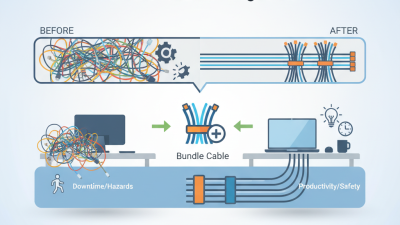
The efficiency brought by bundle cables cannot be underestimated. They reduce clutter and improve space utilization, especially in data centers. However, issues such as heat dissipation and potential signal interference need careful consideration. Mismanagement of these factors could lead to network downtime, which is costly for many organizations.
As AI technologies evolve, the integration of smart solutions in networking is also enhancing cable management. This is significant for manufacturers and service providers striving for excellence. Nevertheless, without foresight and ongoing adjustments, even the best-designed systems can fail to meet rising expectations. Bundle cables, while beneficial, demand mindful usage to unlock their full potential.
What is a Bundle Cable?
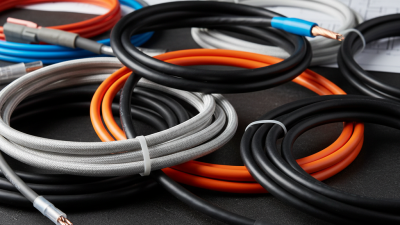
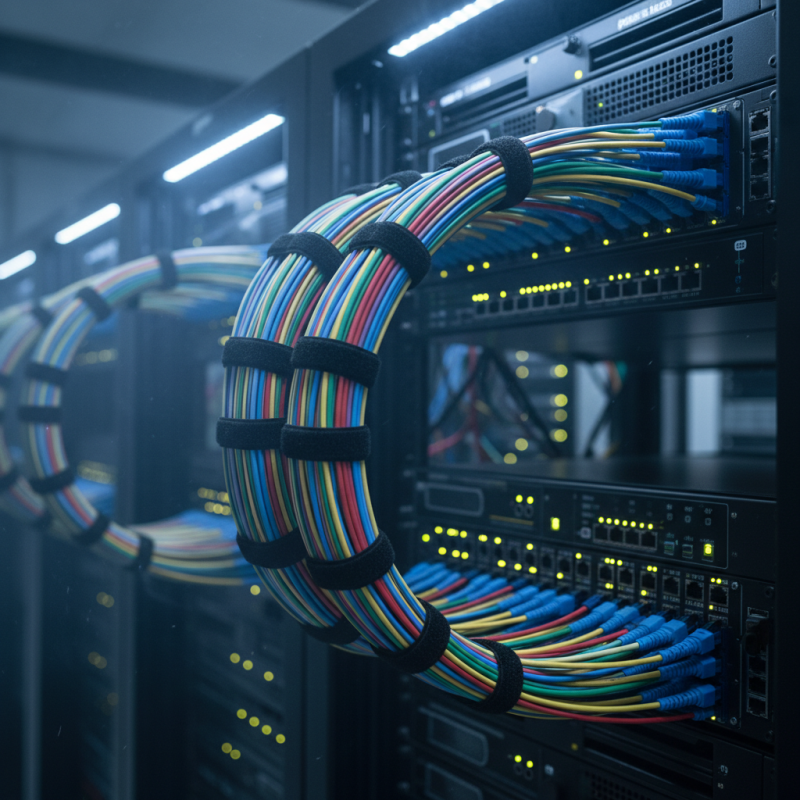
Bundle cables are essential in networking, providing a streamlined solution for data transmission. These cables typically group multiple conductors into a single unit, reducing clutter. They are often employed in environments where cable management and organization are vital, such as data centers and office buildings.
According to industry reports, nearly 75% of network downtime is attributed to cabling issues. This statistic emphasizes the importance of well-organized bundle cables. Properly managed cables improve airflow, minimize signal interference, and enhance overall network performance. Using bundle cables can lead to a significant reduction in maintenance time, reflecting their crucial role in efficient network operations.
Tip: Regularly inspect your bundle cables for wear and tear. Early detection can prevent bigger issues down the line.
While bundle cables are beneficial, they also come with challenges. Over-bundling can hinder the flexibility of your setup. Finding the right balance is key. Not every situation requires a dense bundle. Tailoring solutions to your environment fosters better results.
Tip: Consider color coding your bundle cables. It simplifies troubleshooting and enhances visual management.
Types of Bundle Cables Used in Networking
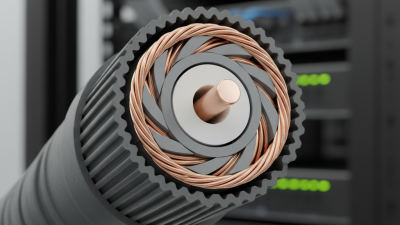
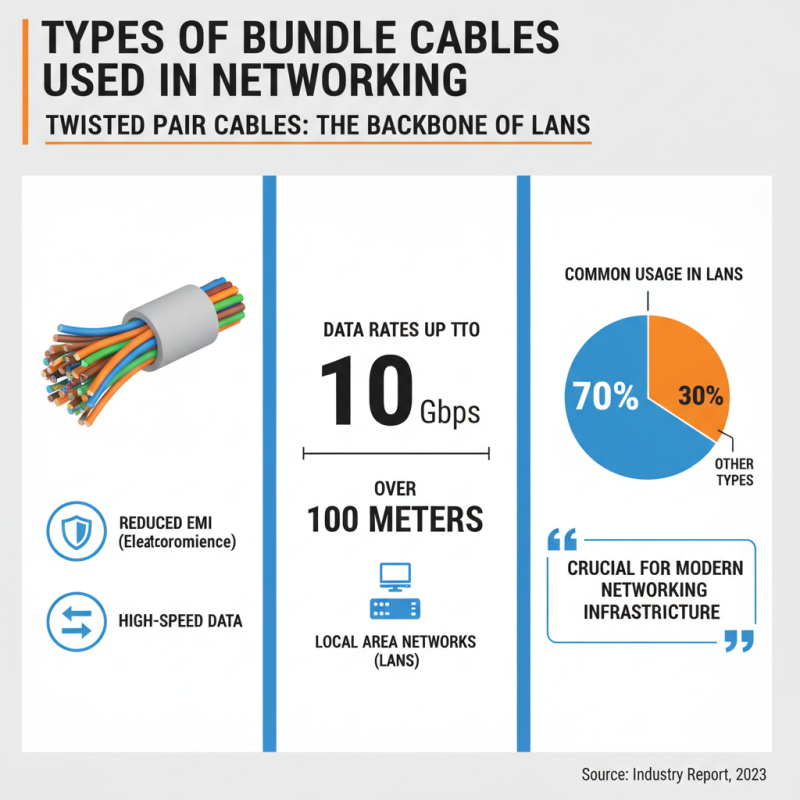
Bundle cables play a crucial role in networking environments. They come in several types suited for different applications. A popular type is the twisted pair cable, commonly used in local area networks (LANs). These cables reduce electromagnetic interference, making them ideal for high-speed data transmission. According to a recent industry report, twisted pair cables can support data rates up to 10 Gbps over distances of 100 meters.
Another common type is fiber optic bundle cables. These are essential for long-distance data transmission. Fiber optics deliver high bandwidth and low attenuation rates. A study from the International Telecommunication Union (ITU) indicates that fiber optic networks can handle traffic increases up to 100 Gbps, ensuring reliable internet connections for users.
Tip: When selecting bundle cables, consider the specific needs of your networking environment. Look for cables that meet industry standards. Poor quality cables can lead to network failures and data loss, so it's essential to choose wisely.
Some users overlook the significance of proper installation. Improperly bundled cables can lead to data loss and reduced network performance. Periodically reviewing your cable management is also vital. Keep cables organized and labeled to avoid confusion. Regular checks can prevent many issues before they arise.
Advantages of Using Bundle Cables
Bundle cables are essential in networking. They are groups of individual cables wrapped together. This design reduces clutter and streamlines the installation process.
One major advantage of using bundle cables is organization. With fewer individual cables, it’s easier to trace connections. This can save time during troubleshooting. Another benefit is space efficiency. Instead of bulky setups, bundle cables fit neatly in tight spaces. However, they may require more careful handling to avoid damage. The risk of untangling can be a concern, too.
Additionally, bundle cables can improve airflow. This is crucial for maintaining optimal equipment performance. When cables are organized, it reduces heat buildup. Yet, not all environments benefit equally from this design. For instance, in areas with high humidity, care must be taken. In such cases, individual cables might be a better choice. Evaluating specific needs is important when choosing networking solutions.
What is a Bundle Cable and How is it Used in Networking? - Advantages of Using Bundle Cables
| Dimension |
Description |
Advantages |
| Cable Type |
Twisted Pair, Coaxial, Fiber Optic |
Variety in performance and distance |
| Installation |
Simplified installation process |
Reduces time and labor costs |
| Space Efficiency |
Compact design for neat wiring |
Optimizes cable management |
| Signal Integrity |
Improves overall signal quality |
Minimizes interference |
| Customization |
Options for different lengths and configurations |
Tailored solutions for specific needs |
Applications of Bundle Cables in Network Infrastructure
Bundle cables play a significant role in modern network infrastructure. They group multiple individual cables into a single unit. This organization saves space and simplifies installation. For instance, in data centers, bundle cables help manage the vast network of connections. They reduce clutter and improve airflow, which is crucial for cooling equipment.
Moreover, bundle cables are widely used in various settings. In corporate offices, they connect workstations to servers efficiently. The neat arrangement can enhance productivity by minimizing disruptions. In homes, bundle cables support smart devices, providing a seamless internet experience. However, improper bundling can lead to interference. It’s essential to ensure each cable is correctly seated to avoid signal loss.
The adaptability of bundle cables is notable. They can be customized for different projects. This flexibility is beneficial, but it also requires careful planning. As networks grow, evaluating the arrangement of these cables becomes necessary. What seems efficient today may need adjustment tomorrow. Making informed choices about cable management remains vital for effective networking.
Best Practices for Installation and Use of Bundle Cables
When installing bundle cables, several best practices should be followed. Proper organization is crucial. Labels can help keep track of each cable's purpose. Use color coding for quick identification. This makes troubleshooting much easier down the line. Avoid tight bends or kinks. Cables can be damaged if they are stressed too much.
Additionally, using cable ties is important but requires caution. Ties should not be too tight, as this can compress the fibers inside. It is easy to overlook this small detail, yet it can lead to significant issues. Regularly check cable conditions. Dust and dirt can accumulate in the connectors, affecting performance. Clean them occasionally to ensure better signal quality.
Lastly, consider the environment where the cables are used. Extreme temperatures can impact cable efficiency. If conditions are harsh, explore options better suited for those environments. Evaluate the setup periodically. It helps to spot potential issues before they worsen.



 +86 13777722188
 WHATSAPP
 PHONE
PHONE E-MAIL