Why Choose Bundle Cable for Your Networking Needs?
In today's fast-paced digital landscape, networking solutions must adapt to meet increasing demands. Choosing the right materials is crucial. Bundle cable has emerged as a popular option among professionals. Notably, John Smith, an expert in telecommunications, states, "Bundle cables are essential for organized and efficient networking."
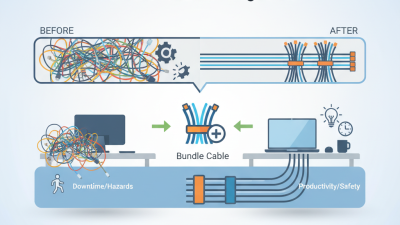
Bundle cables combine multiple wires into a single, manageable unit. This design not only reduces clutter but also enhances performance. A well-organized network is easier to troubleshoot. However, it's important to consider the specific needs of your environment. Some installations may require different cable types or configurations.
While bundle cables offer benefits, they aren't without challenges. Improper installation can lead to signal loss or interference. Users must ensure compatibility with existing systems. It's wise to consult with professionals when selecting the best bundle cable for your needs. Ultimately, making informed choices can lead to a more robust networking experience.
Reasons to Select Bundle Cable for Efficient Network Infrastructure
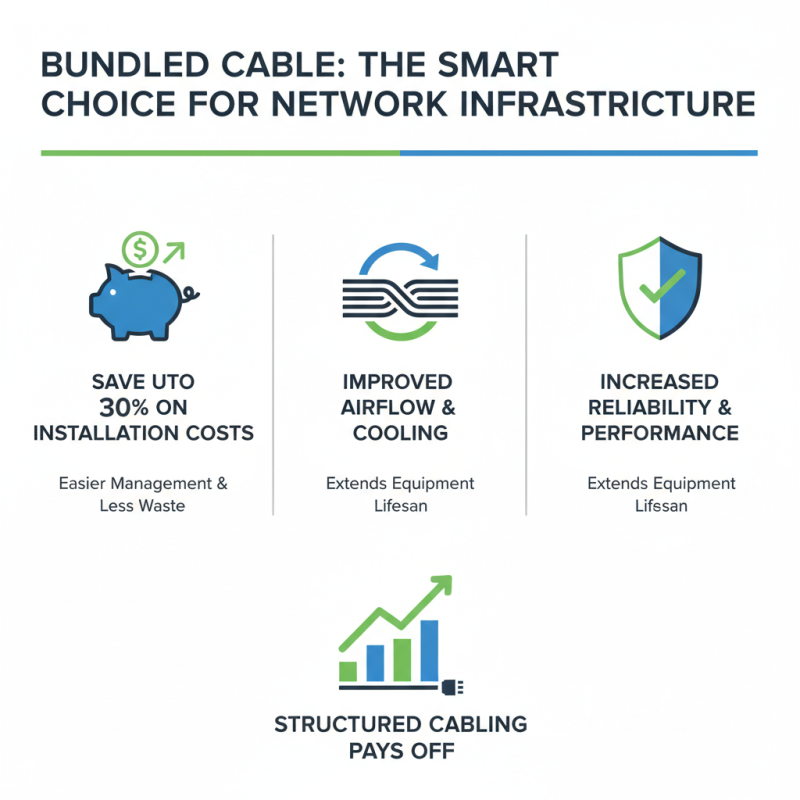
When considering network infrastructure, bundle cable stands out as a smart choice. Studies show that structured cabling can reduce installation costs by up to 30%. This saving stems from easier management and minimal material waste. Additionally, bundling cables can significantly improve airflow in server rooms. Improved airflow leads to better cooling, which can extend the lifespan of networking equipment.
Bundle cables also enhance performance. According to recent industry reports, using bundled cables can increase data transfer rates by up to 10 Gbps. This speed is critical for businesses that rely on cloud services and data-heavy applications. However, it is essential to ensure proper installation to avoid interference. Mismanaged cables can cause signal degradation, counteracting the intended benefits.
Flexibility is another advantage. Bundle cables can be easily modified as business needs change. Over time, companies might outgrow their infrastructure. Choosing a modular approach can prevent costly upgrades. Yet, one must weigh the upfront costs against long-term benefits carefully. The initial investment could be a concern for startups or small businesses. Balancing budget constraints with future needs is crucial for lasting network efficiency.
Industry Standards Supporting the Use of Bundle Cables in Networking
When considering networking needs, bundle cables are a strong option. They conform to various industry standards, making them feasible for many applications. These cables are designed to maintain consistent performance across different environments. Their construction helps reduce crosstalk and signal interference, which can blunt network efficiency. Many organizations rely on these standards to enhance overall network reliability.
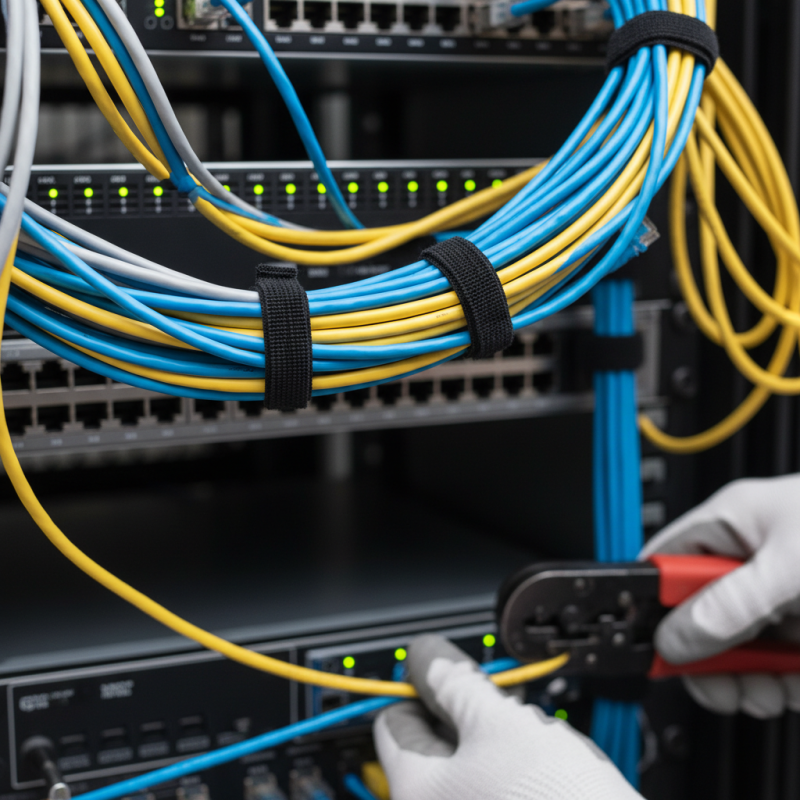
Moreover, bundle cables often offer easier installation processes. Their organized design mitigates the chaos of loose wiring, saving both time and resources. However, improper installation can lead to future issues. It’s crucial to follow best practices during setup. Ignoring guidelines may result in connectivity problems later on.
In a world where seamless connectivity is vital, the right choices matter greatly. Bundle cables meet both performance and efficiency standards, serving numerous networking environments. As technology evolves, these cables will need constant evaluation to stay relevant. Ensuring compliance with future standards should remain a priority.
Cost-Effectiveness of Bundle Cables Compared to Traditional Wiring Solutions
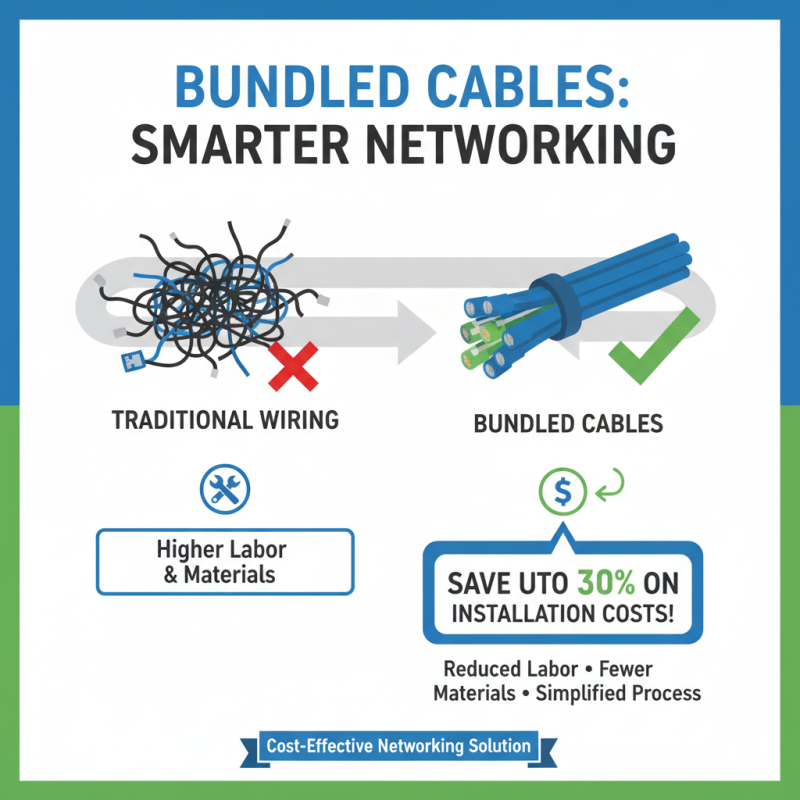
When considering networking solutions, bundle cables stand out for their cost-effectiveness. According to industry reports, bundle cables can lower installation costs by up to 30% compared to traditional wiring. This savings comes from reduced labor and materials. With bundle cables, fewer individual wires are needed, which simplifies the installation process.
In addition, bundle cables minimize maintenance expenses. A study by the International Telecommunication Union (ITU) reveals that streamlined wiring can reduce troubleshooting time by 40%. When a network issue arises, it’s easier to identify problems in a bundled setup. However, some might believe that the performance of bundle cables could be sacrificed for these savings.
Professionals often express concern over potential issues, such as heat dissipation or interference. These factors need addressing during installation. Yet, when properly managed, bundle cables deliver both efficiency and reliability. The challenge lies in ensuring compliance with industry standards. Proper training for installation teams is essential. This minimizes risk while optimizing the benefits of using bundle cables.
Performance Metrics: Data Transmission Speeds of Bundle Cables
Bundle cables are increasingly popular for networking applications due to their impressive data transmission speeds. These cables can handle large amounts of data simultaneously, making them ideal for environments with high traffic demands. For instance, a bundle cable can support multiple devices without significant lag. This capability enhances the overall productivity of a network, especially in busy offices and data centers.
When evaluating performance metrics, one should consider the rated speeds of bundle cables. Typically, these cables can achieve speeds of up to 10 Gbps or more. However, this depends on various factors like cable quality and installation. Users sometimes discover discrepancies in expected speeds versus tested speeds. Mistakes during installation can lead to performance drops, frustrating user experiences. Therefore, it's crucial to regularly test and assess network speeds to identify any issues that may arise. This awareness will help maintain optimal performance while using bundle cables.
Data Transmission Speeds of Bundle Cables
Environmental Benefits of Using Bundle Cables in Network Installations
In recent years, the adoption of bundle cables in network installations has shown significant environmental benefits. According to a report by the Global Environmental Facility, using bundle cables can reduce material consumption by up to 30%. This reduction helps minimize waste during installation and supports sustainable practices in technology infrastructure.
Bundle cables also enhance energy efficiency. Studies reveal that using these cables can lead to a 20% decrease in energy consumption compared to traditional cabling. The compact design of bundle cables allows for better airflow and less heat generation. This is crucial because excess heat can reduce the lifespan of network equipment, leading to more waste.
However, challenges remain. The manufacturing process of bundle cables can still contribute to pollution if not managed responsibly. It's essential for network providers to consider the entire lifecycle of these products. Additionally, while bundle cables offer an eco-friendlier option, ensuring proper installation and disposal practices is critical for maximizing their environmental benefits. Reflecting on these aspects can drive the industry toward more sustainable solutions.
Why Choose Bundle Cable for Your Networking Needs? - Environmental Benefits of Using Bundle Cables in Network Installations
| Feature |
Benefit |
Environmental Impact |
| Reduced Cable Waste |
Less material used due to combined cables |
Lower landfill contribution |
| Improved Energy Efficiency |
Less energy required for installation and maintenance |
Reduced carbon footprint |
| Space Saving Design |
More efficient use of space in networking setups |
Less material needed for racks and conduits |
| Simplified Cabling |
Easier installation and troubleshooting |
Minimized disruption to the environment during installation |
| Longer Lifespan |
Enhances reliability and reduces replacement frequency |
Decreases resource extraction for new materials |



 +86 13777722188
 WHATSAPP
 PHONE
PHONE E-MAIL