How to Choose the Best Shielded Cable for Your Project?
Choosing the best shielded cable for your project can be challenging. The right cable ensures reliable signal transmission and minimizes interference. Shielded cables are designed to protect against electromagnetic interference (EMI) and radio frequency interference (RFI).
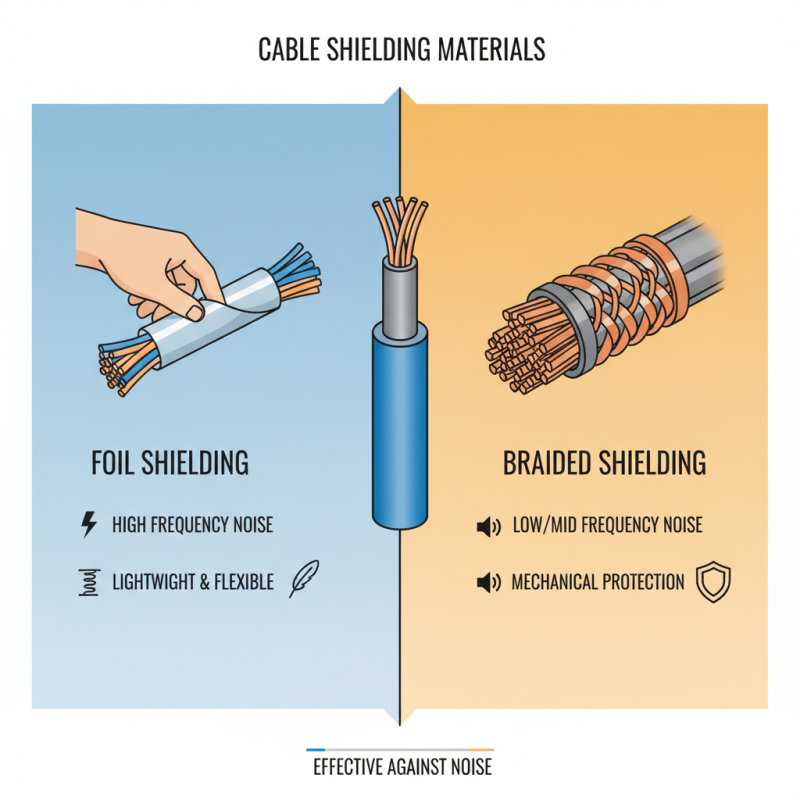
When selecting a shielded cable, consider the specific requirements of your application. Think about the environment where the cable will be used. Will it be exposed to moisture or chemicals? Understanding these details is crucial. Also, pay attention to the type of shielding. There are various options, like foil and braided shields. Each type has its advantages and drawbacks.
Many people overlook the importance of cable length and gauge. Using the wrong size may affect performance. It's vital to reflect on what works best in your scenario. Testing different options can lead to better outcomes. Remember, there isn't a one-size-fits-all solution. The right shielded cable can significantly impact your project's success.
Understanding Shielded Cables and Their Importance in Projects
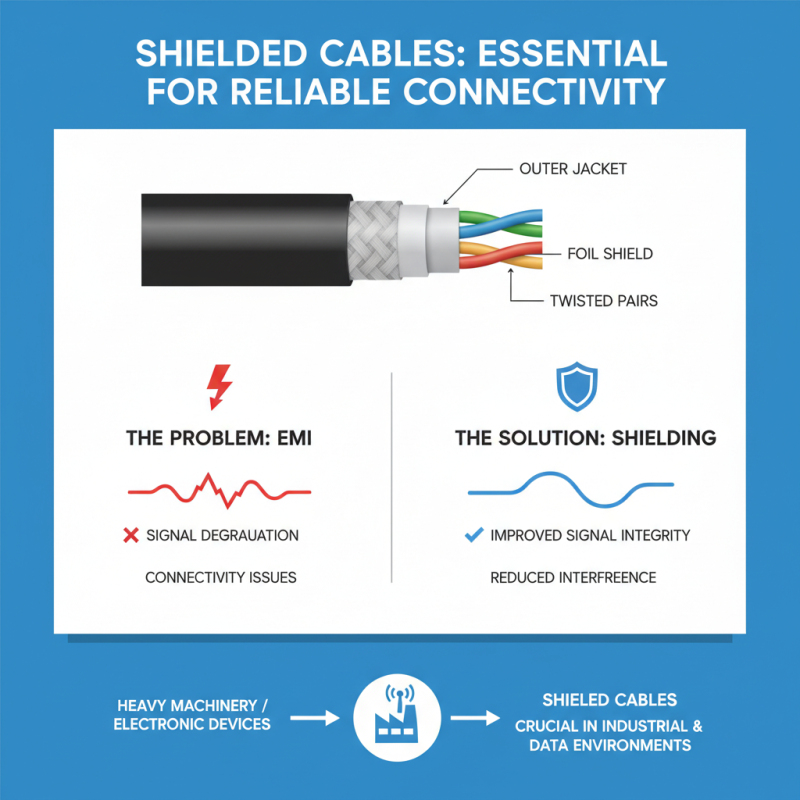
Shielded cables play a crucial role in many projects. They reduce electromagnetic interference (EMI), ensuring better signal integrity. This is especially important in environments with heavy machinery or electronic devices. Without shielding, signals can degrade. Sometimes, this degradation is overlooked, causing connectivity issues.
When selecting a shielded cable, consider the shielding type. Foil and braid are common options. Foil offers better EMI protection, while braid provides flexibility. However, braid can be bulkier. If the project space is tight, this is a critical factor to evaluate. Always assess the environment where the cable will be used. Factors like temperature and exposure to chemicals can affect performance.
Finally, don’t forget about connectors. A poorly matched connector can negate the benefits of a shielded cable. Ensuring compatibility can be tricky. Test them in real settings to avoid unpleasant surprises. The choice of cable and connectors may seem small, yet they significantly impact project outcomes.
Identifying Different Types of Shielded Cables Available on the Market
When selecting shielded cables, it's vital to understand the various types available in the market. Generally, there are three main categories: foil shielded, braid shielded, and combination shielded cables. Each has unique properties that affect performance. Foil shielded cables are great for flexible installations, while braid shielded types offer more durability. Combination shields provide robust performance in environments with high electromagnetic interference (EMI).
For example, a report by the International Electrotechnical Commission indicates that braid shielded cables can reduce EMI by up to 95%. This level of protection is crucial in industrial settings where heavy machinery operates. Additionally, foil shielded cables are often used in data communications due to their lightweight nature. However, they might be less effective in environments with high physical stress.
The choice between these cables also hinges on application specifics. Will the cable face frequent movement? Or will it be stationary? In many instances, professionals overlook the environment's impact on performance. It's essential to recognize that the wrong shield type can lead to signal degradation. Proper testing of cable performance under specific conditions can yield different results than expected.
How to Choose the Best Shielded Cable for Your Project?
| Cable Type |
Shielding Type |
Application |
Max Frequency (MHz) |
Typical Use |
| Twisted Pair |
Foil Shield |
Data Transmission |
100 |
Ethernet Networks |
| Coaxial Cable |
Braided Shield |
RF Transmission |
1000 |
Cable TV |
| Multi-Core Cable |
Overall Screen |
Industrial Automation |
50 |
Control Systems |
| Instrumentation Cable |
Foil + Braid Shield |
Signal Transmission |
200 |
Process Control |
Evaluating the Specific Requirements of Your Project for Cable Selection
When selecting a shielded cable for your project, it’s essential to evaluate specific requirements carefully. Noise interference is a key factor. According to a study by the Institute of Electrical and Electronics Engineers (IEEE), electromagnetic interference (EMI) can disrupt signals in unshielded cables by up to 30%. Shielded cables help mitigate this issue. Understanding the environment where the cable will be used is crucial. If the installation site is loaded with electrical noise, a robust shielding type is necessary.
The cable's intended application also guides selection. For instance, data transmission requires different shielding than power applications. A report from the International Electrotechnical Commission (IEC) notes that data cables can lose integrity within short distances when inadequately shielded. Evaluating the cable's material, diameter, and flexibility is essential. For projects needing high durability, materials like PVC or TPE provide excellent protection. However, these properties may also affect flexibility. It’s a trade-off that requires careful consideration.
While specifications and data reports provide guidance, they may not address every unique project need. For example, limited space may restrict cable choices despite having optimal shielding. This challenge highlights the importance of balancing technical specifications with practical constraints. Each project is unique and may require an experimental approach to find an optimal cable solution.
Analyzing Shielding Materials and Their Effectiveness in Noise Reduction
When selecting a shielded cable, the choice of shielding material plays a crucial role in its effectiveness against noise. Different materials, such as foil and braided copper, offer varying levels of protection. Foil shielding can be very effective at high frequencies. It tends to be lightweight and flexible. However, it may not provide as much mechanical protection as braided options.
Braided shields are more robust and can withstand some physical stress. This makes them suitable for environments where cables are subject to movement or bending. Still, they can be bulkier and might add extra weight to the overall design. Understanding the project’s needs is essential. Are you in a quiet or noisy environment? Would the cable be exposed to vibration? These details significantly influence the shielding choice.
Another aspect to consider is the installation process. Some cables may seem easy to install, but their shielding can complicate things. Proper grounding is necessary for effective noise reduction. If you overlook this, you may face issues later. It’s all about balancing the electrical and physical aspects of your project. In the end, the right choice hinges on specific requirements. Assessing these factors can lead to a more thoughtful decision.
Consulting Industry Standards and Best Practices for Shielded Cable Use
Choosing the right shielded cable for your project involves understanding industry standards and best practices. These documents provide guidance on many factors, such as cable construction, material, and applications. The International Electrotechnical Commission (IEC) offers standards that help ensure reliability. The latest IEC report emphasizes the importance of evaluating electromagnetic interference (EMI) when selecting cables.
One important tip: consider the environment where the cable will be used. Factors like temperature, humidity, and mechanical stress can affect performance. For instance, cables exposed to high EMI should have a robust shielding material. It's worth noting that some users overlook the need for proper grounding, leading to performance issues. A recent survey revealed that nearly 40% of installations fail due to grounding errors.
Another crucial tip is to assess your project's specific needs. Are you targeting high-frequency applications? Then prioritize cables designed for minimal loss. Some companies mistakenly opt for generic solutions, which may result in signal degradation. Learning from others' mistakes can save time and budget. Always check compliance with local and international electrical standards to avoid costly corrections later on.
Shielded Cable Types and Applications



 +86 13777722188
 WHATSAPP
 PHONE
PHONE E-MAIL