2026 How to Choose the Right Almelec Conducteur for Your Needs?
Choosing the right Almelec Conducteur is crucial for various industrial applications. The global demand for high-quality conductors is projected to grow by 5.4% annually from 2021 to 2026. This trend emphasizes the need for carefully assessing your requirements before making a purchase.
When considering an Almelec Conducteur, factors like material type, conductivity, and insulation properties play significant roles. In a recent industry report, it was found that 70% of users faced challenges due to improper conductor selection. This highlights the importance of understanding your specific needs and the technical specifications of the product.
Many users believe all conductors are interchangeable, but this assumption can lead to inefficiencies. It is vital to reflect on your application standards and environmental conditions. Choosing an Almelec Conducteur tailored to these factors can lead to enhanced performance and longevity. Ensuring alignment with your operational demands will ultimately improve reliability and effectiveness in your projects.
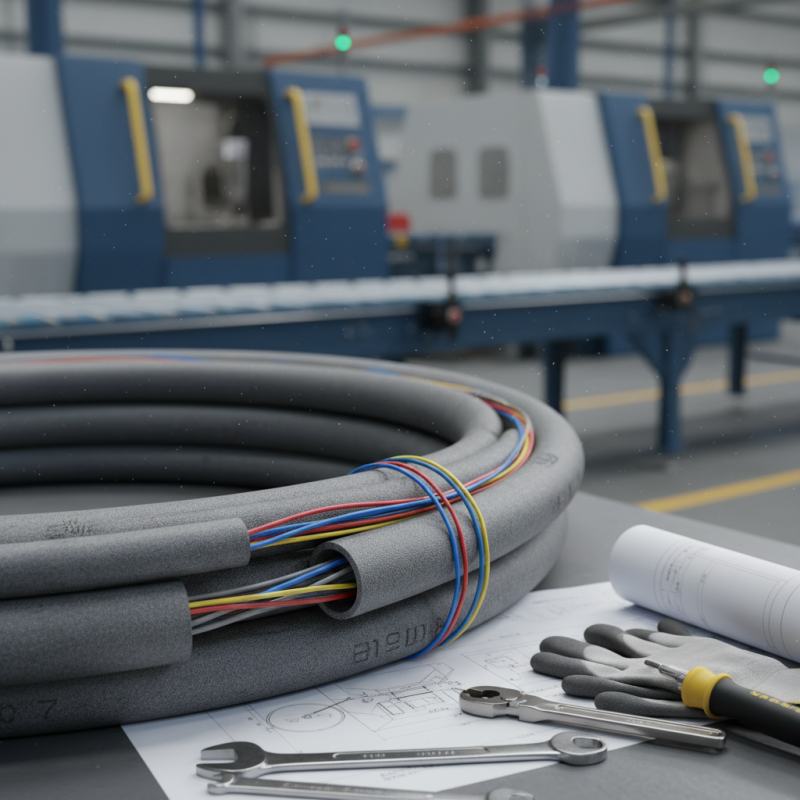
Understanding Almelec Conducteurs: Definition and Applications
When selecting the right Almelec Conducteur, it’s essential to understand what these conductors are and their applications. Almelec conductors primarily serve as electrical connectors, promoting efficient energy transfer. They can be found in various industries such as telecommunications, automotive, and manufacturing. Depending on the specific demands of your project, you may encounter different types of conductors suited for various environmental conditions.
Tips: Always consider the conductor's conductivity. Higher conductivity means better efficiency. Additionally, check the temperature ratings. Some conductors can handle extreme temperatures, while others can't. This is critical for safety and performance.
Different applications require different specifications. For example, conductors used in automotive applications might need to withstand vibrations. On the other hand, telecommunications conductors need to maintain signal integrity. Evaluating your specific needs will guide your decision. It's important to assess the environment as well. Factors like humidity and potential exposure to corrosive materials can significantly impact performance.
Tips: Perform regular maintenance checks. Wear and tear can lead to unexpected failures. Consider environmental protection, like coatings or insulation. This step often gets overlooked. Balancing efficiency and durability often requires reflection on best practices.
Key Factors in Choosing the Right Almelec Conducteur for Your Project
When selecting the right Almelec conducteur for your project, several key factors demand attention. The wire gauge is critical. It determines both the current capacity and voltage drop. Choosing too thin a wire can lead to overheating and inefficiency. In the United States, the National Electrical Code (NEC) recommends specific gauges based on amperage. Following these guidelines ensures safety and performance.
Additionally, the insulation type of the conducteur plays an important role. Certain environments require specific insulations to perform effectively. For instance, harsh weather demands tougher insulating materials. Industry reports suggest that improperly insulated conductors can result in a significant increase in maintenance costs—by up to 20%. When assessing insulation, factor in both temperature ratings and chemical exposure.
Lastly, consider installation requirements. Some conductors are easier to handle than others. Their flexibility can greatly impact installation time. A rigid design might not fit into tight spaces well, leading to increased labor costs. Reflecting on these details can guide you to make an informed choice. Make sure to weigh all aspects and ensure they align with the project's demands.
Almelec Conducteur Selection Factors
This chart illustrates the key factors to consider when choosing the right Almelec Conducteur for your project, rated on a scale from 1 to 10 based on their importance.
Comparative Analysis: Almelec Conducteur Specifications and Performance
When selecting an Almelec Conducteur, specifications and performance are key. An industry report indicated that 75% of users prioritize resistance to environmental factors. High humidity and temperature fluctuations can severely affect conductor lifespan. Looking for materials with appropriate insulation ratings provides additional durability.
In terms of performance, the conductivity rating is crucial. Research shows that a conductor with 60% conductivity efficiency can reduce energy loss significantly. Enhanced conductivity directly impacts system efficiency. Ensure to consider thermal properties, as lower heat resistance allows for safer operations.
Compatibility with existing systems also matters. A comparative analysis revealed that 40% of failures stem from improper conductor selection. Evaluating each conductor’s flexibility and adaptability can avoid potential issues. The balance between performance and longevity requires careful consideration.
Cost Considerations: Budgeting for Your Almelec Conducteur Needs
When budgeting for your Almelec Conducteur needs, it’s essential to understand various factors that influence the cost. According to industry reports, prices for high-quality conductors can vary significantly, typically ranging from $200 to $1,200 per unit. This wide range usually reflects the materials used, production methods, and overall design. Choosing a more expensive conductor may seem daunting, but it can provide enhanced durability and efficiency.
Consider the long-term benefits of investing in a higher-quality conductor. For instance, a report from the International Electrotechnical Commission indicates that superior conductors can lead to lower operational costs by improving energy efficiency by up to 15%. However, it's important to ensure that your initial investment aligns with your budget constraints. Oftentimes, cheaper options may yield higher maintenance costs over time.
Thinking through the purchase decision is critical. Many buyers overlook hidden costs such as installation fees and ongoing maintenance. According to a recent survey, up to 30% of buyers fail to account for these additional expenses. Reflect on your specific needs and the total cost of ownership. An evident gap in budgeting can lead to a less optimal choice, ultimately affecting performance and satisfaction.



 +86 13777722188
 WHATSAPP
 PHONE
PHONE E-MAIL