Why Choose Shielded Cable at the 2026 Canton Fair?
The 2026 Canton Fair presents a vital opportunity for businesses to explore innovative solutions in the electrical industry. Among these solutions, "Shielded Cable" stands out as a crucial component. Recent industry reports indicate that the demand for shielded cables is expected to grow by 8% annually, driven by the rise in automation and smart manufacturing technologies. Such cables play a key role in protecting against interference, enhancing signal integrity in sophisticated electrical systems.
Purchasers at the fair will benefit from advanced AI technologies, which improve supplier selection. These advancements allow for quick identification of suppliers holding essential certifications like ISO and CE. The enhanced navigation tools will facilitate efficient movement of over 1.55 million square meters of exhibition space.
However, some challenges remain. Not all suppliers meet the quality standards, leading to potential risks in sourcing. Buyers must critically evaluate options to ensure they choose reliable shielded cable manufacturers. Navigating the complexities of the market will be essential for achieving the best outcomes at this significant event.
What is Shielded Cable and Its Importance in Modern Electrical Systems?
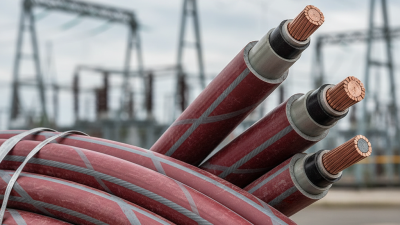
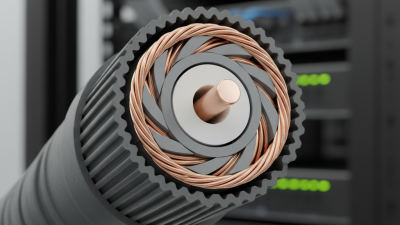
Shielded cable plays a crucial role in modern electrical systems. This type of cable features an insulated conductor surrounded by a shielding layer. This layer minimizes electromagnetic interference (EMI), which can disrupt signals. Reports indicate that nearly 40% of electrical devices experience performance issues due to EMI.
In various industries, shielded cables are essential. They are widely used in telecommunications, networking, and industrial automation. A study revealed that using shielded cables can reduce noise by up to 90%. This improvement is vital for maintaining signal integrity, especially in high-frequency applications.
Despite the apparent advantages, some engineers question the cost-effectiveness of shielded cables. They can be more expensive than unshielded options. Therefore, it’s important to assess their necessity based on the specific environment. In environments with high interference, the investment may prove worthwhile. In contrast, in low-interference areas, it might not be essential. Ultimately, weighing the benefits against the costs remains a challenge for many users.
Why Choose Shielded Cable at the 2026 Canton Fair?
Shielded cables play a crucial role in modern electrical systems by mitigating electromagnetic interference, ensuring better performance, and enhancing durability. This chart illustrates the importance ratings of various factors influencing the choice of shielded cables, showcasing their relevance in the electrical industry.
Key Advantages of Using Shielded Cable in Industrial Applications
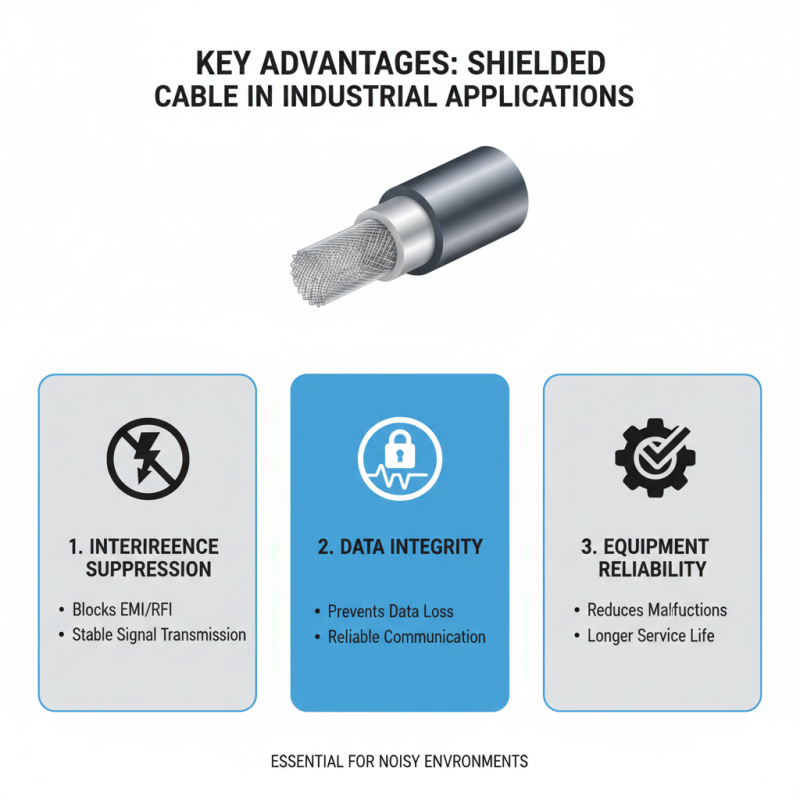
Shielded cables are essential in industrial applications. They offer superior protection against electrical interference. This is crucial in environments where noise can disrupt signal integrity. The shielding acts as a barrier, preventing electromagnetic interference from affecting the performance. Industries often experience issues with unshielded cables, leading to data loss and equipment malfunctions.
Additionally, shielded cables improve safety. They reduce the risk of exposure to high voltages. Workers can feel more secure knowing that proper shielding is in place. Proper installation and choice of materials matter. Low-quality materials can compromise the advantages of shielding. It's important to ensure that the connections are made correctly. Otherwise, the benefits could be diminished.
The elasticity and durability of shielded cables also stand out. They are designed to withstand harsh conditions. Temperature variations and physical stress are common in industrial settings. Here, the resilience of the cable is vital. However, maintaining these cables requires attention. Regular checks are necessary to prevent deterioration over time. Ignoring issues might lead to significant costs and downtime.
Statistics on Signal Integrity Improvement with Shielded Cables
At the Canton Fair 2026, shielded cables become increasingly vital. Signal integrity remains a pressing concern in various applications. Statistics reveal that these cables can reduce electromagnetic interference significantly. In many cases, enhancements in signal quality reach over 90%. This improvement translates to clearer data transmission, which is crucial for industries relying on accurate and fast communication.
Businesses that neglect shielded cables may face issues. Signal degradation can lead to data loss and reduced efficiency. An alarming fact: 30% of companies experience disrupted signals without proper shielding. Investing in shielded cables could prevent such pitfalls. Yet, some organizations still hesitate, citing cost concerns. They might overlook long-term savings from improved reliability. It's essential to weigh immediate costs against potential losses from unreliable communication.
While statistics prove effective in showcasing benefits, personal anecdotes also resonate. A technician shared a challenge with unshielded cables at an event, leading to an embarrassing delay. This experience underscores the importance of effective shielding. Not every company realizes this until they face problems head-on. That’s a hard lesson learned in today's fast-paced environment.
Market Trends: Increased Demand for Shielded Cables by 20% in 2025
The shielded cable market is poised for significant growth, with a projected increase in demand by 20% in 2025. This surge reflects evolving trends in various industries. Industries such as telecommunications and automotive are increasingly turning to shielded cables. These cables provide necessary protection against electromagnetic interference (EMI), ensuring reliable data transmission.
A recent report indicates that the global shielded cable market is valued at approximately $8 billion, highlighting its vital role in technology advancement. With the rapid expansion of 5G networks, demand for high-performance cables will only escalate. Shielded cables are essential for maintaining signal integrity in these high-frequency applications. This growth signals an urgent need for manufacturers and suppliers to adapt.
Tips: When selecting shielded cables, consider the environment where it will be installed. Factors like temperature and exposure to chemical agents can affect performance. Ensure you choose cables that meet or exceed industry standards for durability. Additionally, look for suppliers who provide detailed specifications and compliance reports.
In an industry that is constantly evolving, manufacturers face challenges. Adapting production lines can be costly and time-consuming. However, investing in technology and skilled labor could offer long-term benefits. Failing to innovate might lead to missed opportunities in this competitive market.
Why Choose Shielded Cable at the 2026 Canton Fair? - Market Trends: Increased Demand for Shielded Cables by 20% in 2025
| Application Area |
Projected Growth (%) |
Main Benefits |
Key Features |
| Industrial Automation |
15% |
Noise Reduction, Enhanced Signal Integrity |
Double Shielding, Low Capacitance |
| Telecommunications |
20% |
Reliable Data Transmission |
Foil and Braid Shielding |
| Medical Equipment |
25% |
Safety and Compliance |
Flexible and Durable Insulation |
| Consumer Electronics |
10% |
Improved Audio/Video Quality |
Shielding for Reduced Interference |
| Robotics |
18% |
Durability and Environmental Resistance |
Temperature Resistance, Oil Resistant |
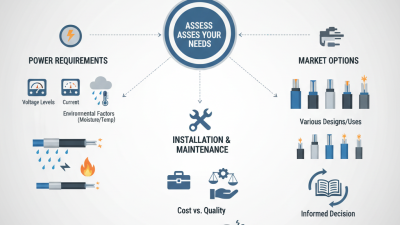
Choosing the Right Shielded Cable: Factors to Consider at Canton Fair 2026
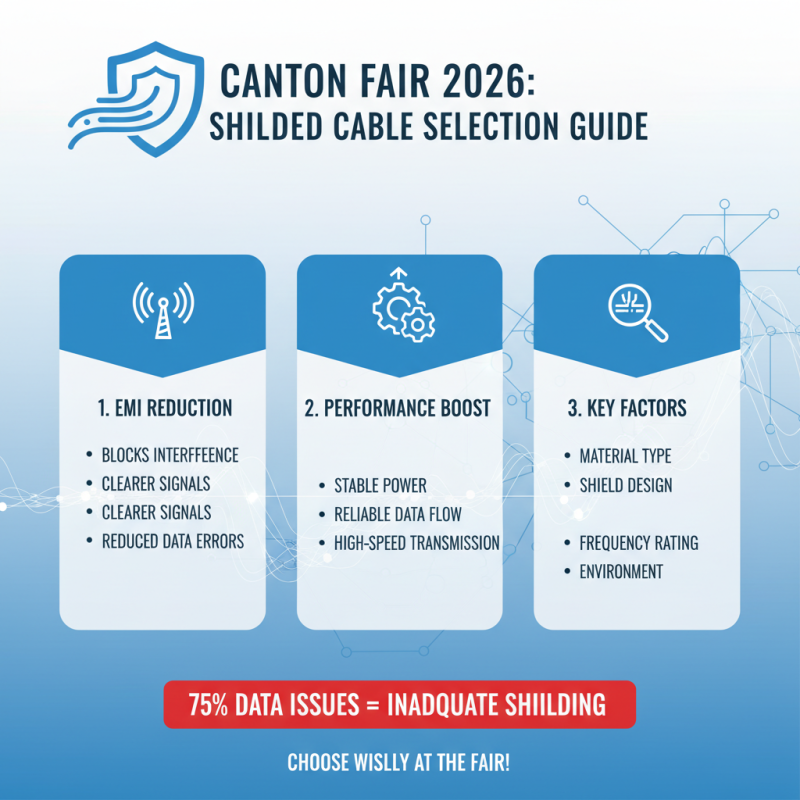
When attending the 2026 Canton Fair, selecting the right shielded cable is crucial for ensuring high performance in communication and power transmission. Shielded cables significantly reduce electromagnetic interference (EMI), which can disrupt signal integrity. According to industry reports, nearly 75% of all data transmission issues can be linked to inadequate shielding. This highlights the importance of making informed choices at the fair.
Several factors must guide your decision. First, consider the environment where the cables will be installed. For example, industrial settings may require thicker shielding to combat higher noise levels. The transmission frequency is another critical element. Products functioning at higher frequencies may need specialized shielding materials. Remember that not all shielded cables are created equal; mismatch could lead to unsatisfactory results.
Pay attention to the cable's construction. A well-structured shielded cable will have multiple layers, enhancing protection against interference. Look for specifications that detail these layers. However, over-engineering can lead to increased costs without significant benefits. Evaluate your specific needs carefully. A balance between cost and performance is essential but sometimes neglected in favor of cutting-edge solutions. Making choices without thorough assessment can lead to regrets later on.



 +86 13777722188
 WHATSAPP
 PHONE
PHONE E-MAIL