How to Choose the Right Aluminum Cable for Your Project?
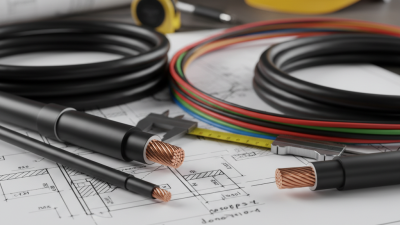
Choosing the right aluminum cable is essential for any electrical project. Aluminum cable offers durability, lightweight design, and cost-effective solutions. However, selecting the right type can be challenging. Understanding your specific needs is crucial.
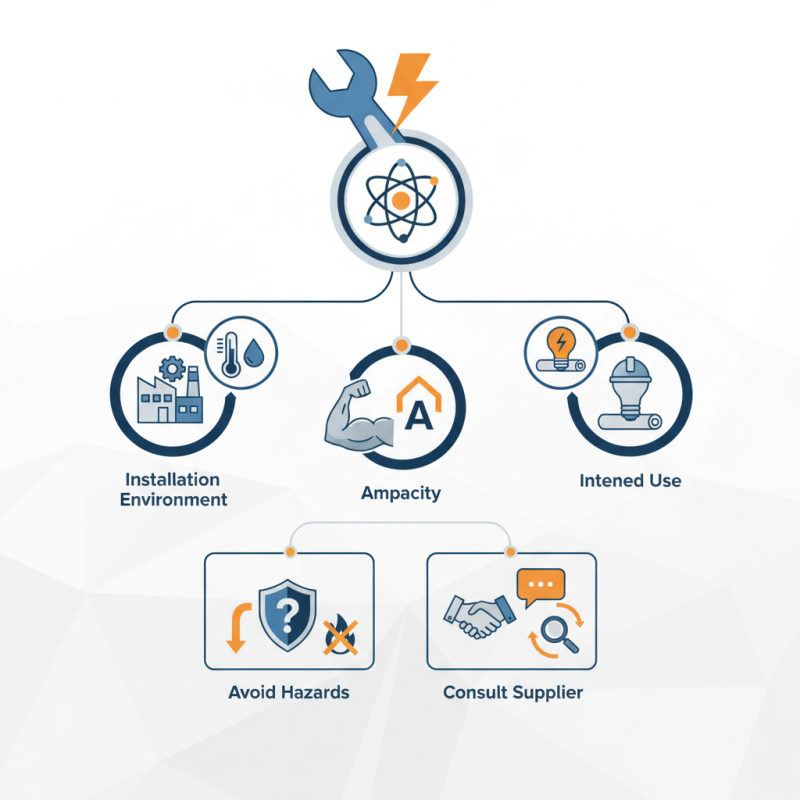
Consider factors such as the cable's intended use, ampacity, and installation environment. Aluminum cables come in various sizes and types. Each serves a different purpose. It's important to match these with your requirements to avoid issues. For instance, using a cable not rated for your project can lead to failures or hazards.
Consulting with a knowledgeable supplier can provide valuable insights. They can guide you through the specifications. Ensure you discuss your project's unique demands. Remember, not every aluminum cable suits every project. Thoughtful consideration is key for a successful outcome.
Choosing the Right Type of Aluminum Cable for Your Electrical Needs
When selecting aluminum cables for electrical projects, understanding the right type is essential. Aluminum cables are widely used due to their lightweight nature and excellent conductivity. According to a 2022 industry report, proper selection can reduce energy transmission losses by up to 30%. Identifying your specific electrical needs is the first step in making an informed choice.
Consider the application requirements. Different environments might demand specific cable types, like overhead or underground installations. Choosing the wrong type can lead to inefficiencies and potential hazards. For instance, a cable used under harsh conditions might need added insulation. Additionally, local regulations can influence your selection. Always verify that the cables comply with regional electrical codes.
Tips for selection: Look for cables with a high ampacity rating suitable for your project's load. Ensure the conductor's size matches your power needs. If unsure, consult the National Electrical Code (NEC) guidelines or seek expert advice. Remember that investing time in choosing the right cable can prevent future issues. Reflect on whether your selections truly align with the current and future power demands of your project.
Understanding Aluminum Cable Specifications: AWG, Length, and Rating
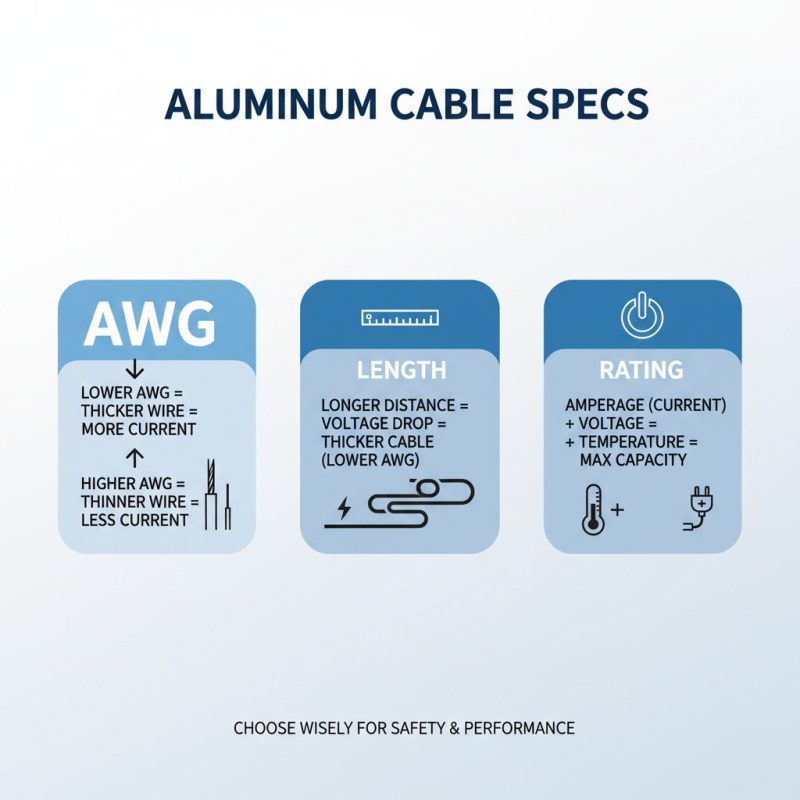
Choosing the right aluminum cable involves understanding its specifications, such as AWG, length, and rating. AWG, or American Wire Gauge, measures the wire’s diameter. A lower AWG indicates a thicker wire. Thicker wires can carry more current, but they may be heavier and more expensive. If your project requires high current, opt for a lower AWG. For light applications, higher AWG wires might suffice.
Length also plays a crucial role. Longer cables can reduce efficiency due to voltage drop. Calculate the length you'll need and account for slack to avoid tight fits. Consider the environment as well. An outdoor project may need more robust insulation than one indoors. Pay attention to the cable rating. This defines the cable's maximum current capacity. Exceeding this can lead to heating and potential failure. Reflect on your project’s needs carefully. The wrong choice can result in costly issues later on.
Some may overestimate their requirements, leading to unnecessary expenses. Others might underestimate the length needed, causing installation headaches. It's essential to be precise during planning to avoid these pitfalls. Making the right choice means balancing these factors effectively.
Evaluating Environmental Factors Impacting Aluminum Cable Performance
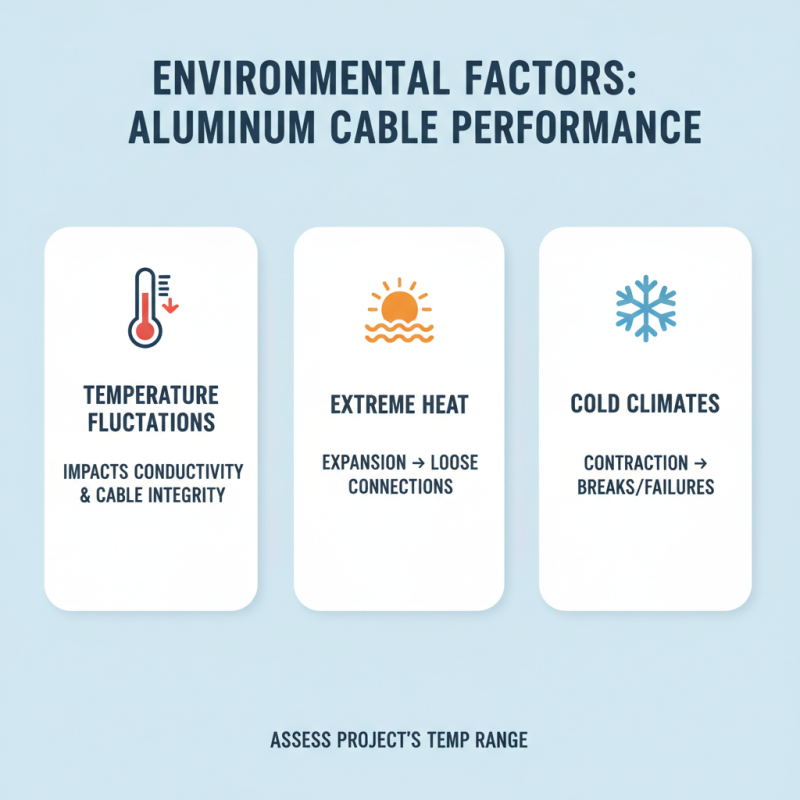
When choosing aluminum cables, one must consider environmental factors that impact performance. Temperature fluctuations can greatly influence the conductivity of aluminum. In extreme heat, cables may expand, affecting connections. Conversely, in cold climates, they can contract, potentially leading to breaks or failures. It’s vital to assess the temperature range your project will face.
Another factor is humidity. High levels of moisture can cause oxidation in aluminum cables, which reduces their conductivity. Additionally, exposure to saltwater or corrosive elements can further deteriorate the cable’s integrity. Regular inspections can help identify these issues early, but prevention is paramount.
Project location matters, too. Urban areas may have higher electrical noise, affecting signal quality. In contrast, rural projects may encounter wildlife issues, such as rodents chewing on cables. Each scenario demands different considerations and solutions, and one must always prioritize the cable's protective features. Understanding these environmental influences is essential for selecting the right aluminum cable and achieving long-lasting performance.
Comparing Aluminum vs. Copper Cables: Benefits and Limitations
When comparing aluminum and copper cables, it's essential to consider their respective benefits and limitations. Aluminum cables are lighter and less expensive. They offer significant cost savings, often around 30% compared to copper. According to a 2021 report by the International Energy Agency, aluminum has become the material of choice for overhead power lines due to its lightweight properties. This makes installation easier and reduces structural costs.
However, aluminum does come with drawbacks. It has a higher resistance than copper, which can lead to energy loss. The current-carrying capacity is also lower. For instance, an aluminum cable must be thicker than a copper cable to handle the same electrical load, potentially increasing installation complexity. Data from the Electrical and Electronics Engineers (IEEE) shows that aluminum can corrode more easily, especially in environments with high moisture. These factors need careful consideration in any project.
Ultimately, the choice often hinges on specific project requirements and environmental conditions. Each material has its strengths and weaknesses. For instance, while aluminum is suitable for long-distance transmission, copper may be more effective in shorter applications. Assessing the unique needs of a project is crucial before choosing the right cable. Balancing cost, performance, and durability often requires a nuanced understanding of both materials.
Comparative Analysis of Aluminum vs. Copper Cables
Recognizing Compliance Standards for Aluminum Cable in Construction Projects
When selecting aluminum cable for construction, understanding compliance standards is crucial. The National Electrical Code (NEC) outlines essential safety measures. Aluminum cables must meet specific criteria for wire size, insulation type, and installation practices. Failure to comply can lead to electrical failures and serious safety hazards.
Data from the International Electrotechnical Commission (IEC) indicates that using non-compliant cables increases the risk of electrical fires by 30%. Moreover, improperly sized aluminum cables can overheat, resulting in potential damage. Construction professionals should always refer to local standards and guidelines to ensure that the selected aluminum cable is safe and effective.
Inspection reports show that about 10% of aluminum cable installations do not meet the necessary compliance standards. This oversight can cause project delays and increased costs. It's essential for contractors to verify that materials align with regulatory requirements. Regular training and updates on compliance can help contractors avoid common pitfalls and ensure that their projects meet the highest safety standards.
How to Choose the Right Aluminum Cable for Your Project? - Recognizing Compliance Standards for Aluminum Cable in Construction Projects
| Cable Type |
Conductor Size (AWG) |
Current Rating (Amps) |
Insulation Type |
Compliance Standards |
| Type USE-2 |
8 |
50 |
PVC |
UL 83, NEC |
| Type THHN |
6 |
65 |
Nylon |
UL 83, NFPA 70 |
| Type RHH/RHW |
4 |
85 |
EPR |
UL 44, NEC |
| Type SE |
2 |
130 |
XLPE |
UL 83, NEC |
| Type MC |
10 |
30 |
PVC |
UL 1569, NEC |



 +86 13777722188
 WHATSAPP
 PHONE
PHONE E-MAIL