Why Choose the Right Cable Wire for Your Project Needs?
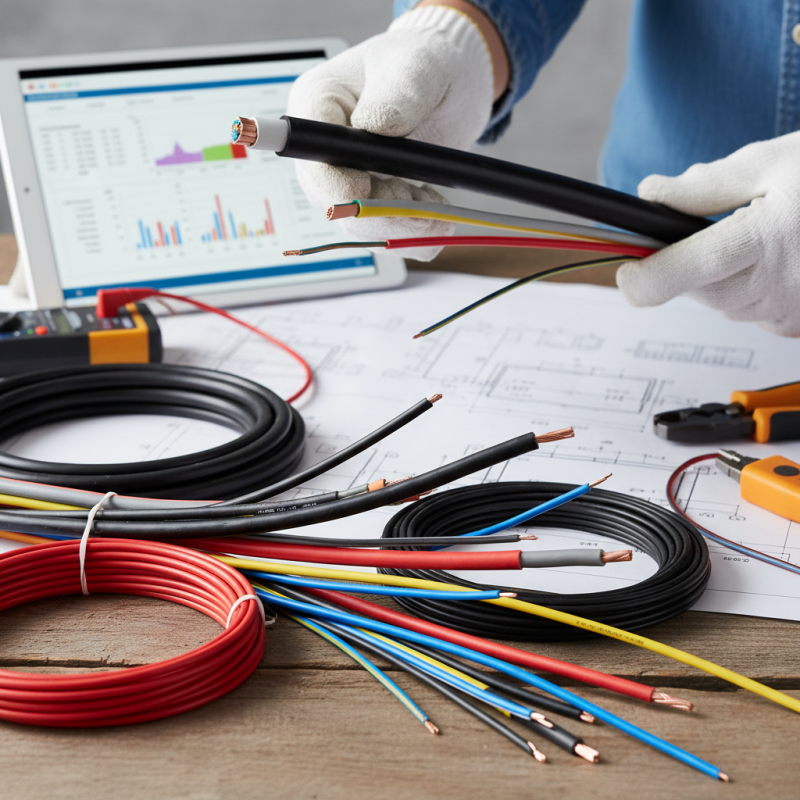
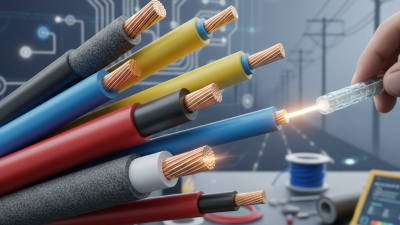
Selecting the right cable wire for your project is crucial. It impacts performance, safety, and longevity. Different applications require specific types of cable wire. Ignoring these needs can lead to failures or accidents.
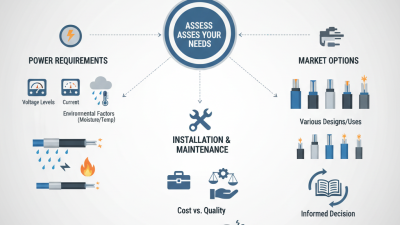
Consider the electrical load, environmental conditions, and installation methods. Choosing the wrong cable wire can jeopardize your entire project. For instance, using outdoor-rated cables indoors may seem trivial. However, it can affect the wire's insulation and increase risks.
Expert recommendations suggest thorough research is necessary. Differences in wire gauge, insulation material, and length can dramatically affect efficiency. Always consult with professionals. Their expertise can guide you in making informed decisions, ensuring your project’s success.
Understanding the Importance of Cable Wire Selection in Projects
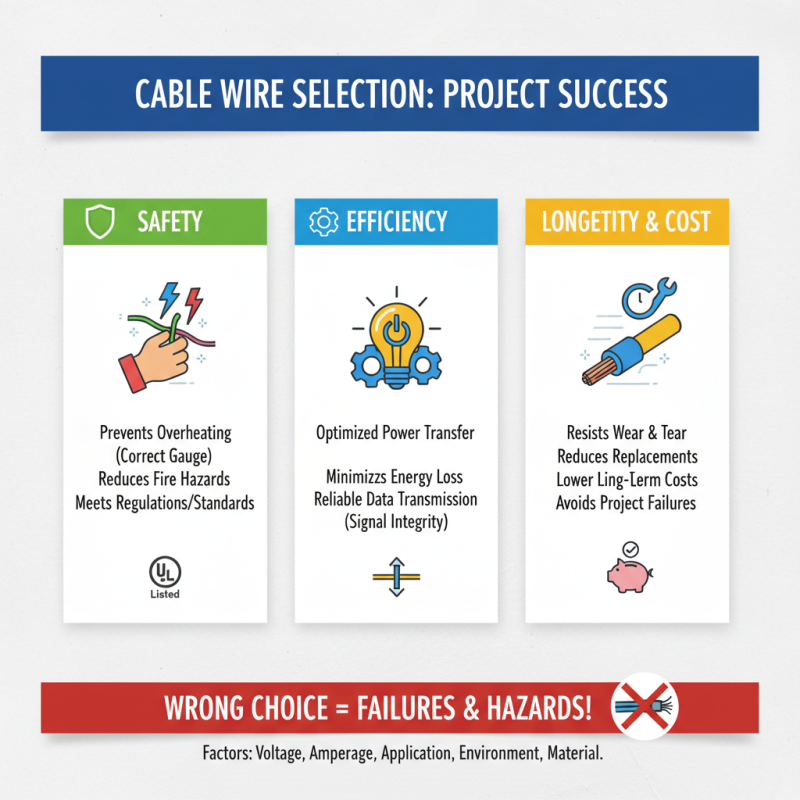
Choosing the right cable wire may seem like a trivial task, but it significantly impacts the success of your project. The correct wire ensures safety, efficiency, and longevity, reducing future costs. Wire type varies based on factors like voltage and application. Ignoring these elements could lead to failures and safety hazards. For instance, using an insufficient gauge wire could cause overheating.
Different projects require different specifications. In construction, valuable materials often rely on precise energy delivery. A mismatch can disrupt operations. Similarly, in IT infrastructure, cable performance affects data speed and integrity. Selecting inappropriate cables can result in significant performance issues. These challenges highlight the need for careful selection.
Every project has its unique needs, making expertise essential. Relying on general assumptions about cable types can lead to errors. Even slight miscalculations can have large repercussions. Assessing project requirements carefully will foster better outcomes. A thoughtful approach encourages reflection on past selections and promotes improved practices in future projects.
Key Factors to Consider When Choosing Cable Wire for Your Needs
Choosing the right cable wire for your project is crucial. Several key factors influence your decision. Consider the wire gauge first. Thicker wires can handle more current but may be challenging to work with in tight spaces. In contrast, thinner wires are more flexible but have limitations on the current they can carry.
Next, think about the insulation material. Different environments call for specific insulation types. For example, PVC is standard but may not be suitable for extreme temperatures. On the other hand, silicone offers better resistance to heat but can be pricier. Your project's specific requirements—like moisture exposure—will determine the best choice.
Also, evaluate the installation method. Some cables are easier to handle in residential projects, while others are designed for industrial use. Pay attention to details such as the cable length and any connectors needed. Sometimes, a simple oversight can lead to project delays. Each decision you make can impact safety, efficiency, and long-term performance. Consider all aspects carefully.
Different Types of Cable Wires and Their Applications
Choosing the right cable wire is essential for any project. Different types of cable wires offer various applications and functionalities. For example, THHN wire is commonly used in building wiring. It is versatile and suitable for both residential and commercial projects. Reports indicate that the demand for THHN wire has increased by nearly 20% over the past five years.
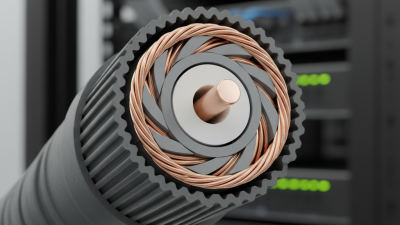
The use of coaxial cables, on the other hand, is more specific. Coaxial cables are ideal for transmitting cable television signals. They are also used in broadband internet connections. Industry experts report that coaxial cable sales were projected to reach $41 billion in 2023, highlighting its importance in connectivity solutions.
**Tip:** Always consider voltage ratings and insulation types when selecting cables. These factors directly impact safety and performance.
Fiber optic cables are another crucial category. They excel in high-speed data transmission, outperforming traditional copper cables. Research reveals that fiber-optic installation has surged by 15% annually due to increasing data demands. However, some may underestimate the necessary skills for installation.
**Tip:** If new to fiber optics, seek professional guidance. Understanding fiber cable specifications can prevent costly mistakes.
Why Choose the Right Cable Wire for Your Project Needs?
| Cable Type |
Applications |
Features |
Voltage Rating |
| Twisted Pair Cable |
Networking, Telephone |
Shielding, Flexibility |
300V |
| Coaxial Cable |
Cable TV, Internet |
High bandwidth, Signal Quality |
75Ω |
| Fiber Optic Cable |
High-speed data, Telecommunications |
Low loss, Immune to EM interference |
Variable |
| USB Cable |
Connecting devices, Data transfer |
Easy to use, Versatile |
5V |
| Power Cable |
Electrical appliances, Industrial equipment |
High current, Durable insulation |
600V |
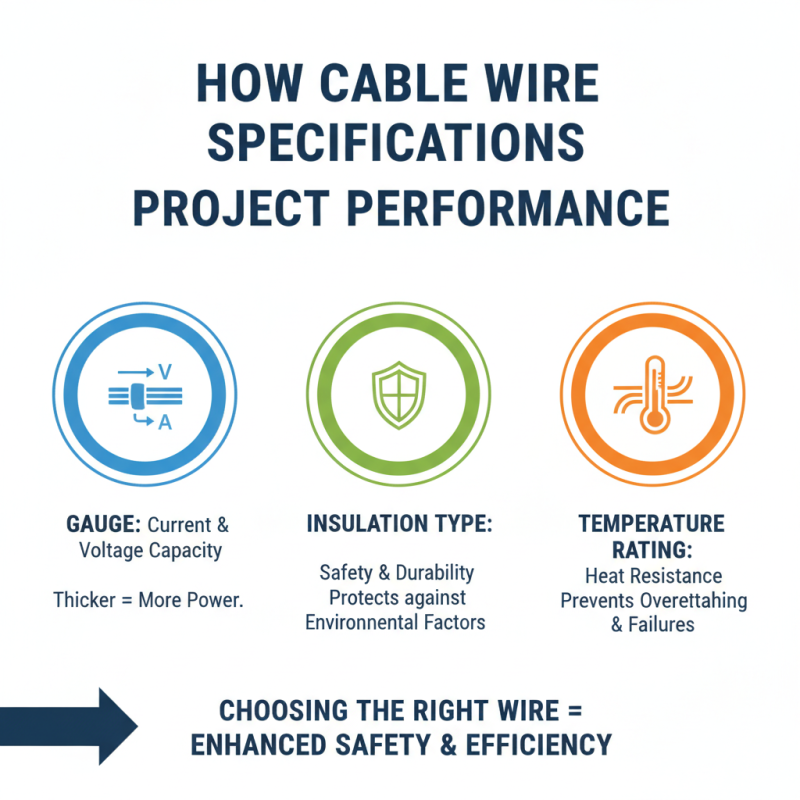
How Cable Wire Specifications Impact Project Performance
Choosing the right cable wire can significantly impact your project's success. Cable wire specifications, such as gauge, insulation type, and temperature rating, are crucial. They dictate how well the wire can handle voltage and current. Understanding these aspects can enhance safety and efficiency.
When selecting cable wire, consider the gauge. A wire that's too thin can overheat. This might pose a fire risk or cause system failures. Meanwhile, insulation affects wire durability. Choose insulation that withstands environmental factors, like moisture or heat. This ensures longevity and reliability.
Tips: Always verify wire ratings with your project's requirements. Don’t overlook environmental factors; they can change how wires perform. Conduct thorough research to understand your options. Taking time in this phase pays off later. An informed choice leads to better performance. Avoid the temptation to use leftover wires from previous projects. They may not meet current needs.
Common Mistakes to Avoid When Selecting Cable Wires
Selecting the right cable wire is crucial for any project. However, many make avoidable mistakes in this process. One common error is not knowing the load requirements. For instance, using a wire gauge that cannot handle the current can lead to overheating issues. According to the National Electrical Code, proper sizing can reduce fire hazards significantly.
Another frequent oversight is ignoring environmental factors. Installation conditions matter. If wires are exposed to moisture or extreme temperatures, using the wrong type can result in failure. The 2019 Electrical Safety Foundation International report highlights that improper cable selection contributes to over 30% of electrical faults in constructions.
Quality also cannot be overlooked. Sometimes, the cheapest option seems tempting. However, cheaper cables often lack the necessary insulation quality. This increases risks over time. Relying on low-quality cables can lead to costly repairs and potential safety hazards. As such, understanding specifications and standards is vital. Each decision impacts the overall safety and efficiency of your project.



 +86 13777722188
 WHATSAPP
 PHONE
PHONE E-MAIL