How to Choose the Right Xlpe Aluminum Cable for Your Electrical Needs?
Choosing the right XLPE aluminum cable is essential for efficient electrical systems. With various options available, it can be overwhelming. XLPE aluminum cables offer several advantages, such as flexibility and resistance to environmental factors. They are ideal for both residential and industrial applications, supporting various voltage levels.
When considering an XLPE aluminum cable, factors such as current carrying capacity and installation environment are crucial. Selecting the correct cable size is vital for preventing overheating. A well-chosen cable ensures safety and longevity. However, mistakes can happen. Improper calculation of load requirements can lead to issues down the line.
Many overlook cable insulation types, which greatly affect performance. Understanding the specific needs of your project will guide your choice. An informed decision will minimize future complications. Carefully evaluating your needs will save time and resources. Overall, making the right decision regarding XLPE aluminum cables involves thorough consideration and a bit of introspection.
Understanding XLPE Aluminum Cables and Their Applications
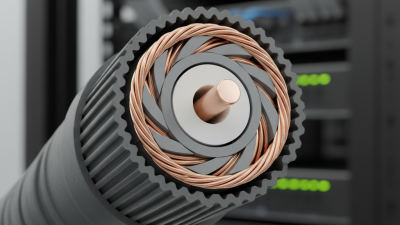
XLPE aluminum cables are known for their durability and efficiency in electrical applications. They are designed to handle high voltage and heavy loads. This makes them ideal for industrial settings and power distribution. The cross-linked polyethylene (XLPE) insulation provides excellent resistance to heat. It is also resistant to moisture and chemicals. Such features ensure performance over time, even in challenging environments.
When choosing the right XLPE aluminum cable, consider the specific requirements of your project. Factor in the voltage level, environmental conditions, and load requirements. Length and installation method also play a crucial role. Selecting the wrong cable can lead to inefficiencies or safety hazards.
Tips: Always consult with experts if you are unsure. Reach out to professionals who have experience in electrical installations. Double-check specifications and ratings before making a purchase. Look for cables that meet your needs without compromise. Ask questions about the installation and maintenance. Understanding these factors can make all the difference in ensuring safety and efficacy.
How to Choose the Right XLPE Aluminum Cable for Your Electrical Needs? - Understanding XLPE Aluminum Cables and Their Applications
| Cable Type |
Conductor Size (mm²) |
Voltage Rating (kV) |
Applications |
Key Features |
| XLPE Aluminum Cable |
120 |
0.6/1 |
Power distribution networks |
High thermal resistance |
| XLPE Aluminum Cable |
150 |
0.6/1 |
Industrial machinery |
Low maintenance |
| XLPE Aluminum Cable |
185 |
0.6/1 |
Construction sites |
Weather resistant |
| XLPE Aluminum Cable |
240 |
0.6/1 |
Renewable energy systems |
High conductivity |
Identifying Your Electrical Load Requirements
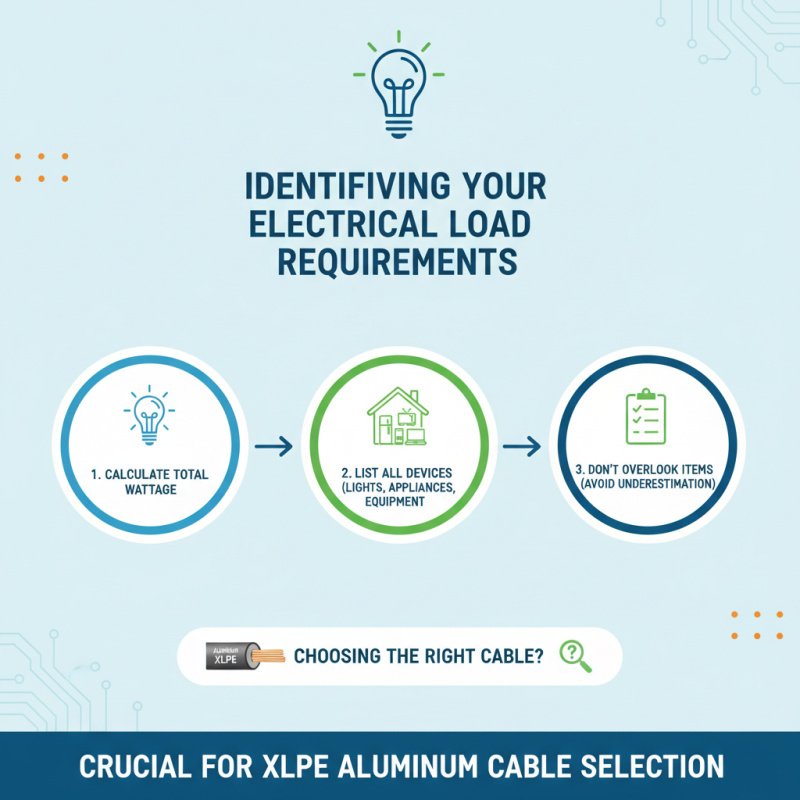
When choosing the right XLPE aluminum cable, identifying your electrical load requirements is crucial. Start by calculating the total wattage of all devices in your system. This includes lights, appliances, and any equipment you plan to use. Take your time with this. It’s easy to overlook certain items, which can lead to underestimating your needs.
Next, consider the distance between the power source and your devices. Longer runs can result in voltage drops. This informs the gauge of cable you need. A thicker cable mitigates these losses but can be more expensive. Analyze your budget but weigh this against the potential for inefficient power flow. Additionally, think about future needs. Upgrading is often more challenging than starting with adequate capacity.
Do not rush through this process. Seek advice from professionals if unsure. Understand that making the wrong choice can lead to increased costs in the long run. It's a delicate balance to get everything right. Taking the time to figure this out can save you many headaches later on.
Evaluating the Advantages of XLPE Insulation
When choosing XLPE aluminum cables, it’s vital to understand the benefits of XLPE insulation. This type of insulation is known for its high thermal resistance and excellent electrical properties. It can withstand temperatures up to 90 degrees Celsius, making it suitable for various applications. Its durability ensures a long lifespan, even in harsh environments.
XLPE insulation provides impressive resistance to moisture, chemicals, and UV light. This makes it an ideal choice for outdoor installations. Many electricians report fewer failures with XLPE cables, contributing to overall project efficiency. However, the initial cost can be higher compared to other options. This might cause hesitation in some purchases.
Installation practices are equally important. Improper handling can lead to performance issues. Ensure that the cables are stored correctly and avoid excessive bending during installation. Always consult with professionals about your specific needs. This will help you avoid costly mistakes. The right choice can impact safety and efficiency in your electrical systems.
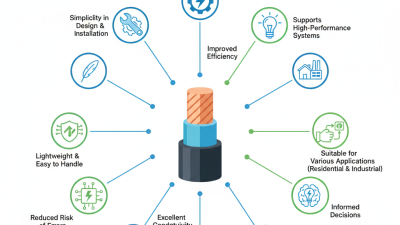
Advantages of XLPE Insulation in Aluminum Cables
Selecting the Right Size and Rating for Your Cable
Choosing the right size and rating for your XLPE aluminum cable is crucial for safety and efficiency. XLPE, or cross-linked polyethylene, offers excellent insulation and durability. When determining the appropriate cable size, consider the load requirements of your project. Overestimating your cable's capacity can lead to overheating. Conversely, underestimating can cause performance issues.
Industry reports indicate that the ampacity, or current-carrying capacity, of aluminum cables may vary based on temperature and installation conditions. For instance, a typical XLPE aluminum cable rated at 120 mm² can handle approximately 200 Amps at a temperature of 30°C. However, the capacity drops significantly in higher temperatures. This means it’s essential to factor in the environmental conditions where the cable will be installed.
While many users aim for high capacity, this choice can become problematic. An oversized cable may lead to unnecessarily high costs and complications during installation. Additionally, if you select a cable that's too small, it poses serious safety hazards. The key is to balance your needs against practical considerations. Reflecting on your specific application will guide you to a safer and more cost-effective solution.
Assessing Environmental Factors Influencing Cable Performance
When selecting xlpe aluminum cables, environmental factors play a crucial role. Temperature fluctuations can significantly impact cable performance. According to a 2022 industry report, cables operating above 90°C can degrade faster, leading to reduced lifespan. In hot climates, proper insulation becomes vital.
Moisture is another concern. High humidity can lead to corrosion, affecting conductivity. A study by the Electrical Safety Foundation found that nearly 30% of cable failures can be traced to moisture ingress. Using cables with better moisture resistance can mitigate these risks.
Lastly, consider mechanical stress. Cables exposed to constant vibration or physical pressure tend to wear out sooner. The same report suggested that regular maintenance could extend the operational life of these cables. Not all environments are forgiving, and choosing the right cable requires awareness of these factors.



 +86 13777722188
 WHATSAPP
 PHONE
PHONE E-MAIL