What is Copper Cable and How is it Used in Modern Technology?
Copper Cable is a fundamental component in modern technology, playing a vital role in communication and data transfer. According to Dr. Emily Johnson, a leading expert in telecommunications, "Copper cables remain essential for connectivity in our increasingly digital world." This highlights their continued significance despite the rise of fiber optics.
The versatility of Copper Cable is noteworthy. It is used in various applications, from wiring in homes to connecting devices in large data centers. Its durability and excellent conductivity make it a preferred choice for transmitting electrical signals. However, it is worth acknowledging that Copper Cable comes with challenges, such as susceptibility to interference and limited bandwidth compared to newer technologies.
As we explore the use of Copper Cable, it becomes essential to reflect on both its advantages and limitations. While this technology is reliable, the industry must adapt to evolving demands. This balance between traditional methods and innovative solutions will shape the future landscape of connectivity.
What is Copper Cable?
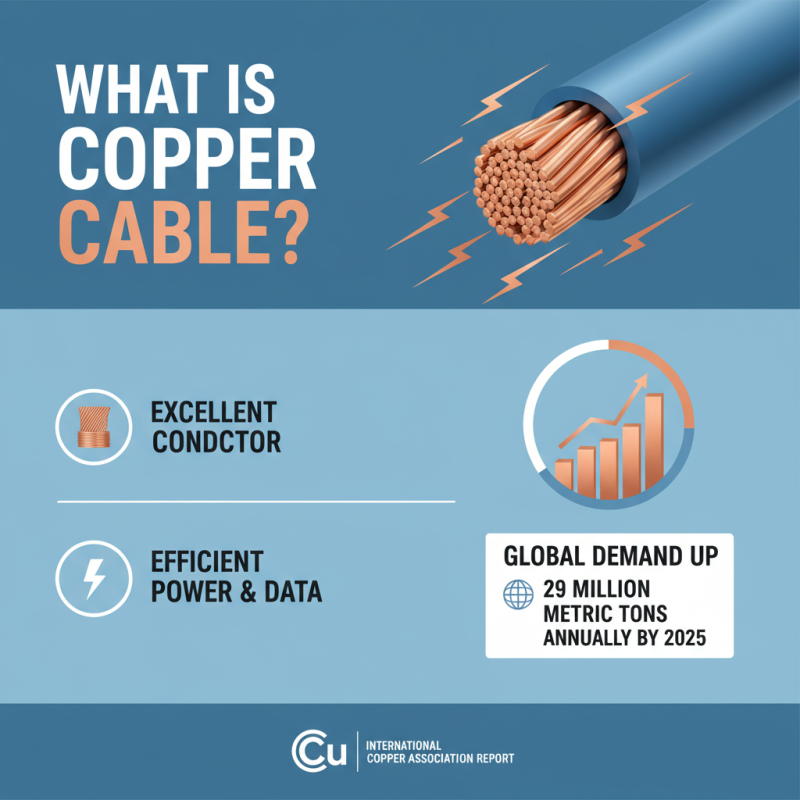
Copper cable is a fundamental component in modern technology. It consists of copper wires, which are excellent conductors of electricity. This high conductivity allows copper cables to efficiently transmit data and power over long distances. According to a report by the International Copper Association, copper usage in electrical and electronic applications is projected to reach approximately 29 million metric tons annually by 2025. This growth reflects copper's critical role in various industries.
In telecommunications, copper cables are vital for connecting homes and businesses to the internet. They support DSL and provide wired phone lines. Approximately 70% of the existing global communications infrastructure still utilizes copper. However, reliance on copper has its drawbacks, such as susceptibility to interference and limited bandwidth compared to fiber optics. While many technology sectors are gradually transitioning to fiber, copper remains important, especially in rural areas where the infrastructure is lacking.
The manufacturing and recycling of copper cables also raise environmental concerns. Copper mining has significant ecological impacts, including habitat destruction and water pollution. Despite these challenges, the recycling of copper is highly effective. About 90% of copper can be recycled without losing quality, making it a more sustainable option. This recycling process helps meet the increasing demand for copper while minimizing environmental harm.
History and Development of Copper Cable Technology
The history of copper cable technology dates back to the 19th century. Initially, copper was used for telegraph lines. Its conductivity and durability made it a popular choice. As demand for communication evolved, copper cables adapted. They became essential for telephones and, later, internet connectivity. Over time, the development of insulation materials allowed for better performance and longevity.
In the mid-20th century, advancements in manufacturing processes led to thinner and more efficient cables. The introduction of twisted pair cables improved signal quality. This innovation was pivotal for the rapid expansion of data networks. Nowadays, copper cables are still prevalent despite the rise of fiber optics.
Tips: Always ensure proper installation of copper cables. Poor connections can lead to signal degradation. Regular maintenance checks can extend cable life and enhance performance. When choosing cables, consider the specific uses. A little research can save you from costly mistakes.
What is Copper Cable and How is it Used in Modern Technology? - History and Development of Copper Cable Technology
| Dimension |
Data |
| Material Composition |
Copper (≥ 99% purity) |
| Conductivity |
Approx. 58.0 MS/m |
| Typical Uses |
Telecommunications, Power Distribution, Data Transmission |
| Common Types |
Twisted Pair, Coaxial Cable |
| Cable Types |
Cat5e, Cat6, RG-59 |
| Key Advantages |
High conductivity, Cost-effective, Flexibility |
| Environment Impact |
Recyclable, Low energy consumption in transmission |
| Historical Development |
First used in telegraphy in the 19th century |
Types of Copper Cables Used in Modern Applications
Copper cables are essential in modern technology. They come in different types, each serving specific applications. This versatility makes them a popular choice in various industries, from telecommunications to electrical grids.
One common type is coaxial cable. It consists of a central conductor, insulating layer, and an outer conductor. This design helps reduce interference. Coaxial cables transmit television signals and internet data. Another type is twisted pair cable. It features pairs of wires twisted together. This design minimizes electromagnetic interference. Twisted pairs are widely used in phone lines and local area networks (LANs).
Some industries rely on specialized copper cables. Mining and industrial environments often use armored cables. These cables are rugged and resistant to physical damage. On the other hand, flexible cables are found in robotics and machinery. They can bend without breaking, ensuring durability. Copper cables may seem simple, yet their variety reflects the complexity of modern technology.
Copper Cable Usage in Different Applications
Applications of Copper Cables in Communication and Data Transfer
Copper cables play a vital role in modern communication and data transfer. Their ability to carry signals quickly and reliably makes them indispensable. From telephone lines to internet connections, copper cables are everywhere. They transmit data across multiple platforms, ensuring seamless communication.
In telecommunications, copper cables are essential. They connect homes and businesses to service providers. DSL and broadband technologies largely depend on them. Copper cables have a unique ability to transmit electrical signals over long distances without significant loss. This characteristic is crucial for effective communication.
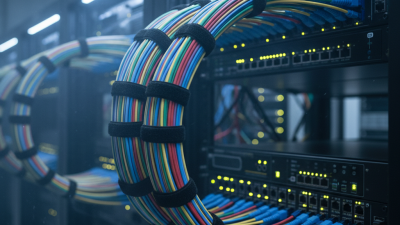
Data centers also heavily rely on copper cables. They facilitate high-speed data transfers between servers. Organizations use these cables to connect various devices within their infrastructure. However, while copper cables are reliable, they have limitations. For example, they are susceptible to interference and distance limitations. As technology evolves, these challenges prompt innovation and reflection on future solutions.
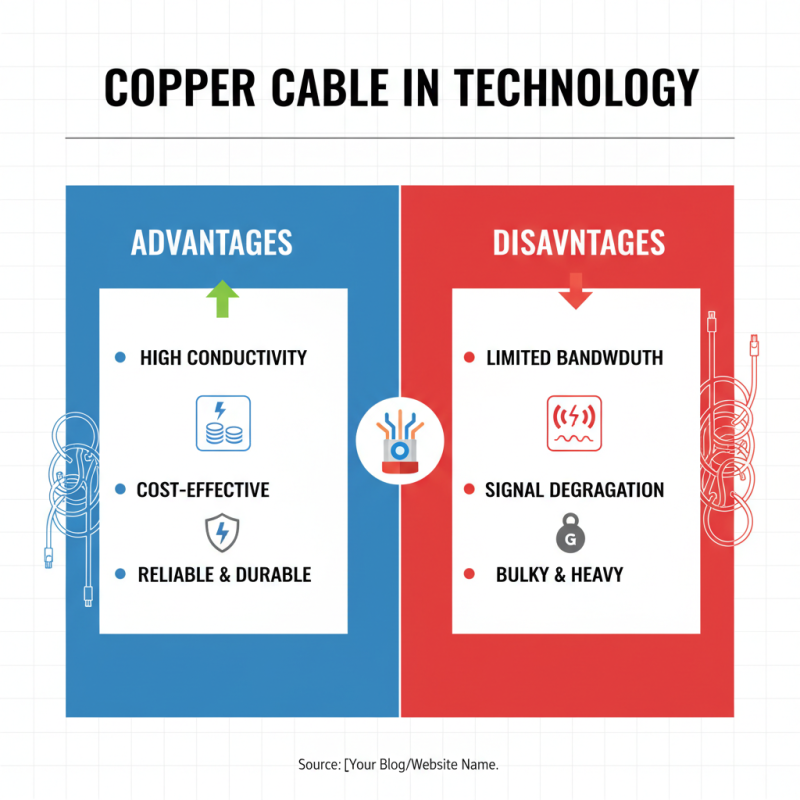
Advantages and Disadvantages of Copper Cable in Technology
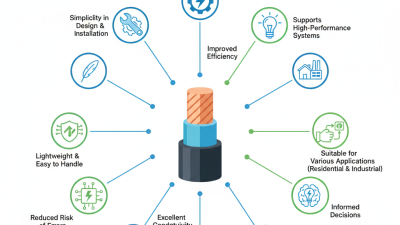
Copper cables play a vital role in modern technology. They transmit data and power with remarkable efficiency. However, they come with both advantages and disadvantages.
One major advantage is conductivity. Copper cables transmit signals quickly. This makes them ideal for networking and telecommunication. They are reliable for internet connections and phone lines. Another benefit is flexibility. Copper can bend easily without breaking, allowing for practical installations.
On the downside, copper cables can be heavy and costly. Installation requires careful handling. They also degrade over time, which can affect performance. Environmental factors, like humidity, can lead to corrosion. This could result in data loss or reduced efficiency.
**Tip:** Always check your copper cable's condition. Regular inspections can help identify issues before they become serious.
Some may debate whether to switch to fiber optics. While fiber is faster, copper is still prevalent. Many industries still rely on copper for its robustness. It’s important to weigh the pros and cons carefully.
**Tip:** Consider your specific needs before making a decision. Different applications might benefit more from copper.



 +86 13777722188
 WHATSAPP
 PHONE
PHONE E-MAIL