What is Electric Wire and How Does It Work?
Electric wire is a fundamental component in modern electrical systems. Its crucial role in the transmission of electricity cannot be overstated. According to a 2021 report by the International Electrotechnical Commission, the global market for electric wire is projected to reach $250 billion by 2026. This growth reflects the increased demand for efficient power solutions across industries.
Understanding electric wire involves examining its materials and functionalities. Copper and aluminum are the most common materials used. Both exhibit excellent conductivity, making them ideal for various applications. The National Electrical Manufacturers Association reported that copper wire accounts for approximately 70% of the market due to its superior performance. However, there are concerns about the environmental impact and long-term sustainability of these materials.
Despite their widespread use, many consumers lack awareness of electric wire specifications and potential hazards. Proper selection and installation are essential for safety and efficiency. The electrical industry continuously evolves, introducing new regulations and standards. Yet, misinformation still prevails. As the demand for electricity increases, understanding electric wire is more important than ever for both professionals and consumers alike.
What is Electric Wire? A Comprehensive Overview
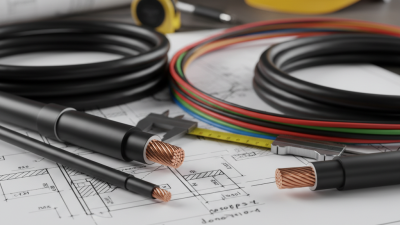
Electric wire is a crucial component in electrical systems. It is designed to conduct electricity efficiently from one point to another. Generally made of conductive materials like copper or aluminum, electric wires enable the flow of electrical energy in homes, industries, and various applications. According to industry reports, the global electric wire and cable market is projected to reach approximately $280 billion by 2025, indicating the significant demand for effective power transmission solutions.
Understanding the different types of electric wires is essential. For instance, wires are categorized based on their insulation material, voltage rating, and intended use. High-voltage wires serve energy transmission over long distances, while low-voltage wires are commonly used in residential settings. Additionally, the National Electrical Code (NEC) outlines guidelines for safe wire usage, ensuring reliable performance. While technology advances have improved wire capabilities, some issues require attention. Overheating can lead to insulation failure, which creates safety hazards. Monitoring wire conditions is vital for ensuring continued effectiveness and safety in electrical systems.
Electric Wire Usage by Type
Types of Electric Wire and Their Applications
Electric wire is essential in today's electrical systems, serving various functions in residential, commercial, and industrial applications. Different types of electric wire cater to specific needs. For instance, THHN wire is popular in building electrical systems due to its heat resistance and durability. According to the National Electrical Code, using the appropriate wire type is crucial for safety and compliance.
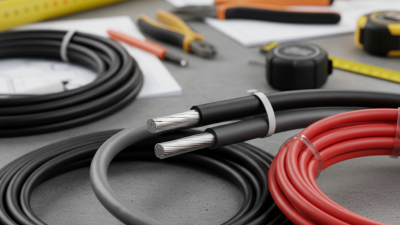
There are several common types of electric wire. The NM cable is often used in homes for indoor circuits. It consists of multiple conductors insulated with a non-metallic sheath. In contrast, UF wire is designed for underground use. It withstands moisture and is resistant to corrosion. Data from the National Electrical Contractors Association indicates that using the right wire can prevent hazards. Infrared scans show that overheating connections frequently stem from incorrect wire choices.
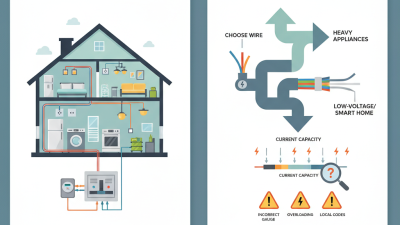
Selecting electric wire involves understanding its application. Not all wires are suitable for high voltage or extreme temperatures. Factors such as ampacity and environmental conditions matter. Recent studies show that improper installation and selection lead to a significant percentage of electrical failures. Building codes also mandate proper wire selection based on project specifications. Attention to detail in choosing the right wire can greatly enhance safety in any electrical installation.
The Structure of Electric Wire: Materials and Components
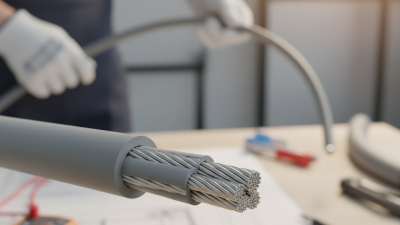
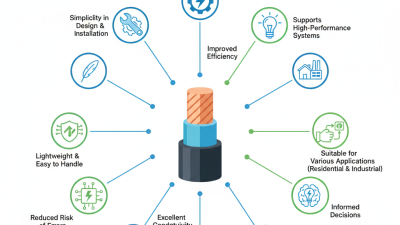
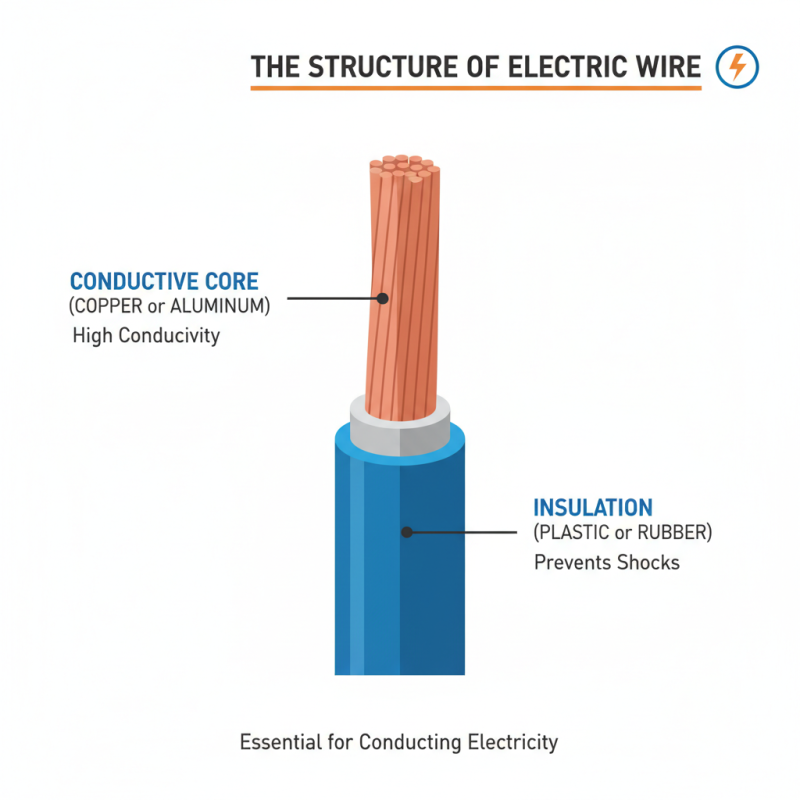
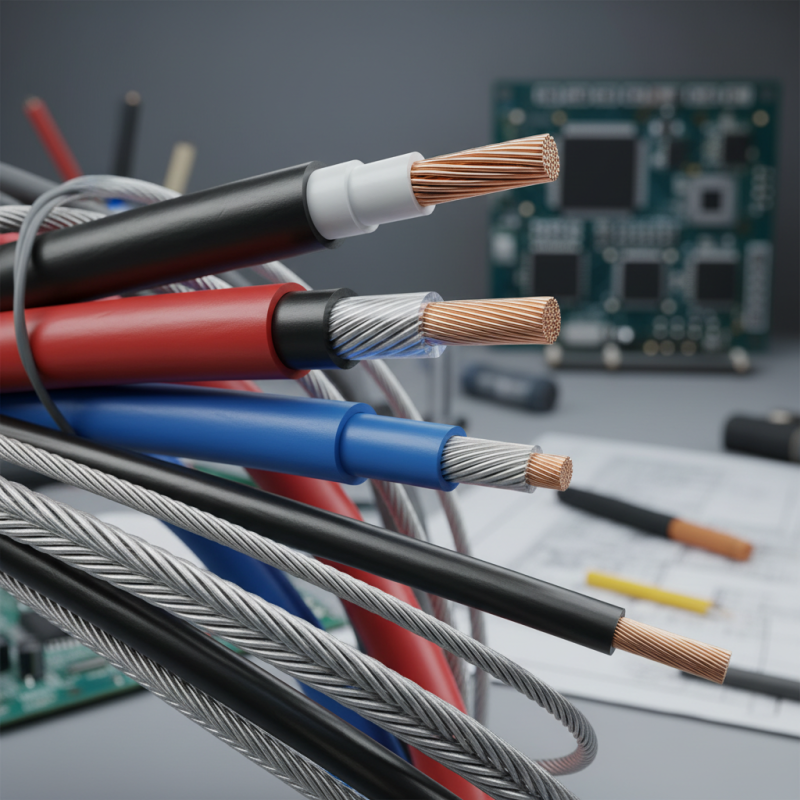
Electric wire is essential for conducting electricity. Its structure typically consists of a core made of conductive material, often copper or aluminum. These materials are chosen for their high conductivity and relative abundance. The wire is then insulated with a non-conductive layer, commonly made from plastic or rubber, to prevent accidental shocks.
The cross-section of electric wire reveals several components. The core carries the electrical current, while the insulation protects against environmental hazards. Some wires also include shielding, which reduces electromagnetic interference. These layers must be designed properly to ensure safety and efficiency. The choice of materials impacts performance and durability. Poor choices can lead to heightened resistance and overheating. Ultimately, understanding the structure of electric wire is vital for its effective use in various applications.
How Electric Wire Conducts Electricity: A Scientific Explanation
Electric wire serves as a vital component in the distribution of electricity. It consists of conductive materials, typically copper or aluminum. These metals possess free electrons that facilitate the flow of electric current. According to the International Electrotechnical Commission (IEC), the electrical conductivity of copper is approximately 5.8 x 10^7 S/m. This property is crucial for efficient transmission over long distances.
When an electric potential is applied across a wire, electrons move towards the positive terminal. This movement creates an electric current. The wire's resistance affects this flow. For instance, a longer wire or one with a smaller diameter increases resistance, which can lead to energy loss as heat. The American Electric Power (AEP) reports that roughly 5-10% of energy is lost during transmission in residential areas due to resistance in wires.
However, not all wires are created equal. The choice of wire gauge impacts performance significantly. Using a wire that is too thin can lead to overheating and potential hazards. Many electricians recommend adhering to the National Electrical Code (NEC) guidelines to prevent these issues. Failure to do so can result in increased risks and higher electricity costs, reminding us that even small decisions can have big consequences in electrical installations.
What is Electric Wire and How Does It Work?
| Wire Type |
Material |
Conductor Type |
Current Rating (Amps) |
Application |
| Copper Wire |
Copper |
Solid |
20 |
Household Wiring |
| Aluminum Wire |
Aluminum |
Stranded |
15 |
Outdoor Applications |
| Thwn-2 Wire |
Copper |
Stranded |
30 |
Commercial Wiring |
| Twisted Pair Cable |
Copper |
Stranded |
N/A |
Networking |
| Coaxial Cable |
Copper |
Solid |
N/A |
Television and Internet |
Safety Considerations and Best Practices for Using Electric Wire
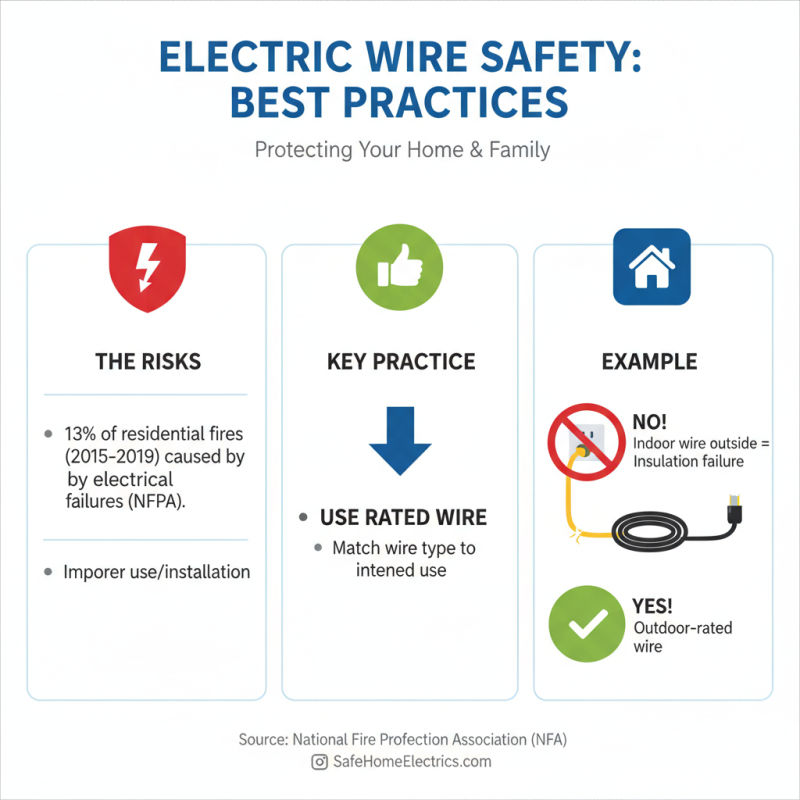
When dealing with electric wire, safety should always be the priority. According to the National Fire Protection Association (NFPA), electrical failures caused approximately 13% of residential fires between 2015 and 2019. Improper use or installation of electric wire is a significant contributor to these incidents. It’s crucial to ensure all wires are rated for their intended use. For instance, using indoor wire outside can lead to insulation failure.
Regular inspection of electric wires can help prevent hazards. Check for frayed ends, exposed conductors, or other visible damages. A study by the Electrical Safety Foundation International (ESFI) found that 30% of electrical incidents were due to outdated or damaged wiring. Additionally, maintaining a dry environment around electrical installations is essential. Moisture can cause short circuits and even electrocution.
Proper installation techniques also play a vital role in safety. Follow the National Electrical Code (NEC) guidelines closely. Overloading circuits can lead to overheating, which is an invitation for fires. While it's easy to plug in multiple devices, it's essential to know the capacity of your wiring system. If you suspect an issue, seek professional help instead of taking unnecessary risks. Your home’s safety is paramount.



 +86 13777722188
 WHATSAPP
 PHONE
PHONE E-MAIL