10 Essential Tips for Choosing the Right Aluminum Cable for Your Project?
Choosing the right aluminum cable for your project can be a challenging task. As John Smith, a renowned expert in the electrical industry, once said, "Selecting the right aluminum cable is crucial for both safety and efficiency." Understanding the specific requirements of your project is essential. Aluminum cables are lightweight and cost-effective, but they also come with unique characteristics that need careful consideration.
When navigating through the options, consider factors such as conductivity, temperature ratings, and installation environment. A small oversight can lead to significant issues down the line. The right aluminum cable can improve performance, while the wrong choice may result in failures or hazards. It's not simply about cost; it's about ensuring reliability and safety.
Experts emphasize attention to detail when selecting an aluminum cable. Balancing quality with the right specifications can sometimes feel overwhelming. Familiarizing yourself with industry standards and regulations is vital. This knowledge helps in making informed decisions that benefit your project in the long run.
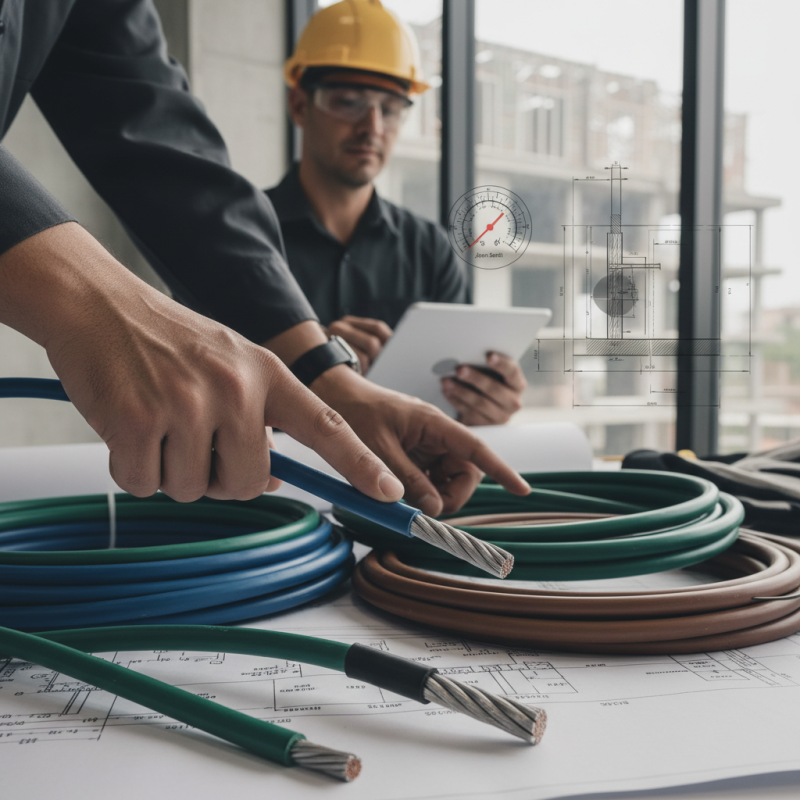
Understanding the Basics of Aluminum Cable Types and Specifications
When selecting the right aluminum cable for your project, understanding the different types and specifications is crucial. Aluminum cables are known for their lightweight and cost-effective properties. Familiarize yourself with terms like conductivity, gauge, and insulation type. Knowing these factors can significantly impact your project’s efficiency and safety.
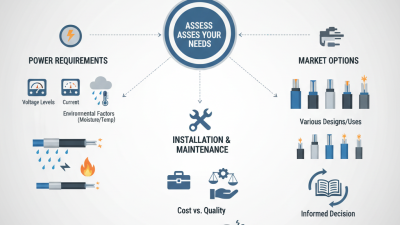
When considering aluminum cable, tip one is to assess the application. Voltage levels and load requirements differ. Make sure the cable can handle these specifications. Hint two: consider the installation environment. Factors like temperature, moisture, and exposure to chemicals can affect cable performance. Aluminum has specific ratings for different conditions.
It's also essential to think about future needs. Will the project expand? Will you need more power? Planning for additional capacity can save time and costs later. Many overlook this aspect, leading to regrettable inefficiencies. Lastly, always consult installation professionals when in doubt. Their expertise can guide you to make informed choices. Understanding the basics ensures you choose the right aluminum cable confidently.
Assessing the Electrical Load Requirements for Your Project
When selecting the right aluminum cable, understanding your project's electrical load requirements is crucial. Start by calculating the total wattage of all devices you plan to connect. This will provide a solid foundation for choosing the cable's ampacity. Each project has unique aspects that can complicate this process. For example, fluctuations in usage or unexpected additions may alter your initial calculations.
Consider the type of load you're dealing with. Resistive loads, like lighting, are less demanding compared to inductive loads, such as motors. The latter often requires cables with a higher ampacity to handle inrush currents. It's easy to underestimate the impact of these differences. Always factor in any environmental conditions that might affect cable performance, such as temperature or moisture.
Various standards exist to guide cable selection. Not following these can lead to dangerous situations. Oversizing can be costly, while undersizing can cause overheating. Experience shows that careful assessment of load requirements prevents future problems. Involving a professional electrician in this process can further enhance your project's safety and effectiveness. Their expertise can help navigate complexities you might overlook.
Evaluating Environmental Conditions Affecting Cable Performance
When selecting aluminum cables, understanding environmental conditions is vital.
Temperature fluctuations, humidity, and exposure to chemicals can significantly impact cable performance.
For instance, a report from the International Electrotechnical Commission states that extreme temperatures can lead to thermal expansion or contraction, potentially causing insulation breakdown.
Humidity poses a similar threat. It can promote corrosion, especially if the cables are not properly shielded. A study by the National Electrical Manufacturers Association highlighted that aluminum cables exposed to high humidity without adequate protection may exhibit a lifespan reduction of up to 50%. This means that careful evaluation of the installation environment is essential, as ignored factors can lead to expensive repairs down the line.
Furthermore, exposure to UV radiation can degrade materials over time. If cables are installed outdoors, their insulation may suffer from brittleness and cracking. Regular maintenance and inspections can help identify potential damages.
Failing to account for environmental challenges can lead to serious operational disruptions. Reflecting on these issues ensures a more resilient cable choice that aligns with project needs.
Considering Installation Methods and Accessibility for Aluminum Cables
When selecting aluminum cables, considering installation methods and accessibility is crucial. Proper installation can significantly impact the cable's performance. For instance, a report from the National Electrical Manufacturers Association indicates that improper installation can reduce a cable's efficiency by up to 20%. Also, ensure that the installation area is adequately accessible for maintenance. If cables are routed through tight spaces, it can lead to challenges in replacements or upgrades later.
When choosing the cable, think about the environment. For underground installations, select cables with higher moisture resistance. In contrast, overhead installations may require more durable insulation. Another tip involves evaluating the temperature rating of the cable. This affects its performance and lifespan, especially in extreme conditions.
Consider the installation tools and techniques available to you. Having the right tools can streamline the process and reduce errors. Special attention should be given to bending radii, as sharp bends can compromise the cable structure. Accessibility should guide your design; cables passing through hard-to-reach areas may lead to costly repairs. Aiming for ease of access can enhance long-term reliability. Each of these considerations plays a vital role in ensuring the success of your project.
Comparing Cost and Quality Factors of Different Aluminum Cable Brands
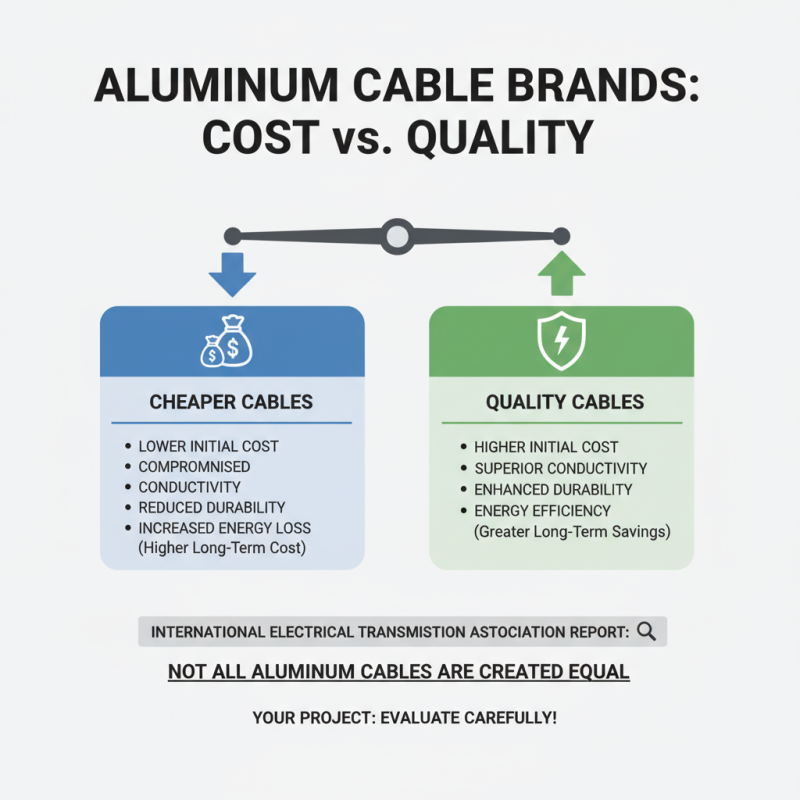
When considering aluminum cables for your project, cost and quality must be carefully evaluated. A report from the International Electrical Transmission Association highlights that not all aluminum cables are created equal. While cheaper options may appear attractive, they often compromise important aspects like conductivity and durability. Lower-quality cables can lead to increased energy loss, which, over time, may exceed initial savings.
Factors such as thickness, alloy composition, and insulation material affect both performance and price. For instance, the American National Standards Institute specifies that cables with superior alloy compositions offer better resistance to environmental factors. These details matter tremendously. A study by the Electrical and Electronics Engineers indicates that using higher-grade materials can result in reduced failure rates.
Moreover, customer reviews are crucial but sometimes misleading. Many users may prioritize price over reliability. This approach can backfire. Investing in better quality cables often yields better efficiency and longevity. It's important to scrutinize product specifications and seek third-party testing certifications. This will ensure the choice aligns with project requirements and can save costs in the long run.



 +86 13777722188
 WHATSAPP
 PHONE
PHONE E-MAIL