+86 13777722188


In the world of electrical engineering, the choice of materials can significantly influence performance and safety. According to Dr. Sarah Lin, a renowned expert in the field, "Choosing the right Concentric Aluminum Cable is crucial for ensuring efficient power distribution." Her insight underscores the importance of informed decision-making in selecting these specialized cables.
Concentric Aluminum Cables offer a unique design that allows for improved conductivity and reduced electrical losses. However, not all cables are created equal. Various factors influence their performance, including the quality of aluminum used and the cable's construction. A careful assessment of these elements can determine the longevity and reliability of the installation.
Yet, many consumers overlook critical specifications. It's easy to make assumptions based on price or brand. However, understanding the specific needs of your project is essential. The right choice can minimize future maintenance and enhance operational efficiency. Remember, your decision now affects performance later. Take the time to evaluate each option thoroughly before making a commitment.
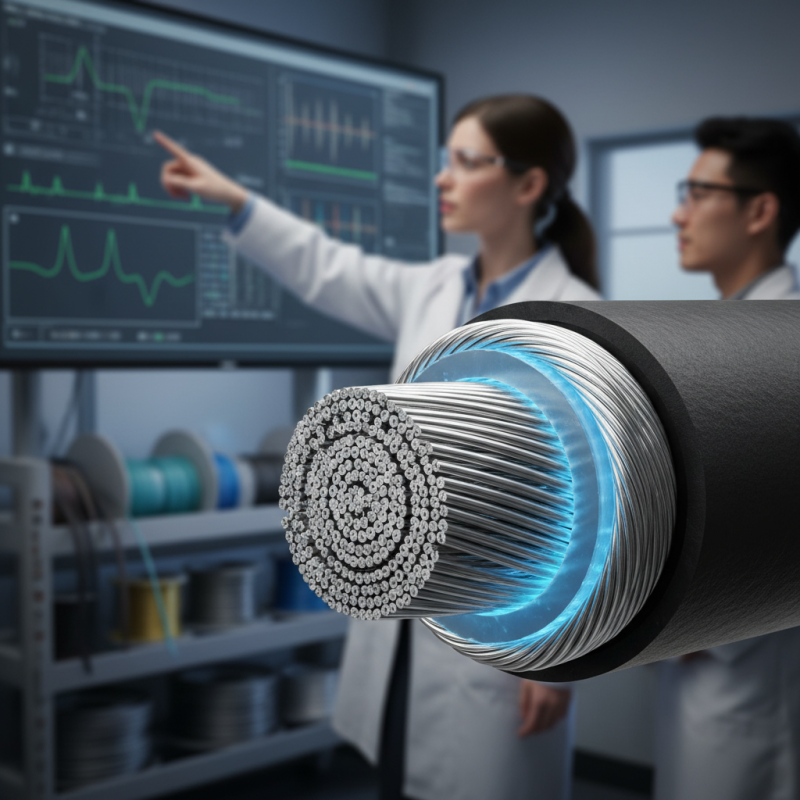
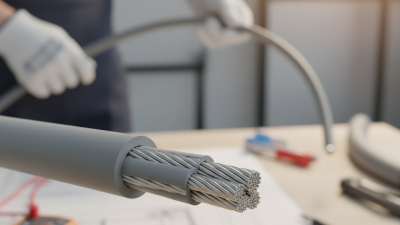
When selecting concentric aluminum cable, understanding its basics is crucial. Concentric aluminum cable typically features an outer layer of aluminum strands surrounding a central conductor. This construction enhances safety and performance. A 2022 industry report highlights that concentric cables improve electrical efficiency and reduce installation time.
Durability is another significant aspect. Concentric aluminum cables are resistant to environmental factors such as moisture and corrosion. According to the International Wire and Cable Manufacturers, they can last up to 30 years under proper conditions. However, installation practices can impact longevity. Ensure that connections are adequately sealed to prevent moisture infiltration.
Weight is also a factor. Compared to copper, aluminum is lighter, which aids in transportation and reduces strain on poles. However, aluminum can be less forgiving if not handled properly, making proper installation crucial. Electrical engineers emphasize the importance of following guidelines closely. Regular inspections can help in identifying potential issues before they escalate, ensuring a longer service life for the cable.
| Tip Number | Tip | Explanation | Considerations |
|---|---|---|---|
| 1 | Gauge Selection | Choose the appropriate gauge based on the current needs. | Consider distance and power requirements. |
| 2 | Concentric Design | Understand the benefits of concentric cable designs for flexibility. | Ideal for urban installations. |
| 3 | Material Quality | Ensure the aluminum is of high quality to reduce resistance. | Check for standards compliance. |
| 4 | Temperature Rating | Select cables rated for the expected temperature range. | Consider environmental factors. |
| 5 | Installation Method | Plan the installation method based on the application. | Underground vs. overhead wiring. |
| 6 | Voltage Rating | Ensure the cable can handle the required voltage levels. | Safety is critical. |
| 7 | Flexibility | Consider the flexibility required for your application. | Easier handling and installation. |
| 8 | UV Resistance | Select cables with UV resistant features for outdoor use. | Longevity of installation. |
| 9 | Regulatory Compliance | Check if the cable meets local regulatory standards. | Avoid legal issues and ensure safety. |
| 10 | Cost Consideration | Evaluate the cost versus performance of the cable. | Balance budget and quality. |
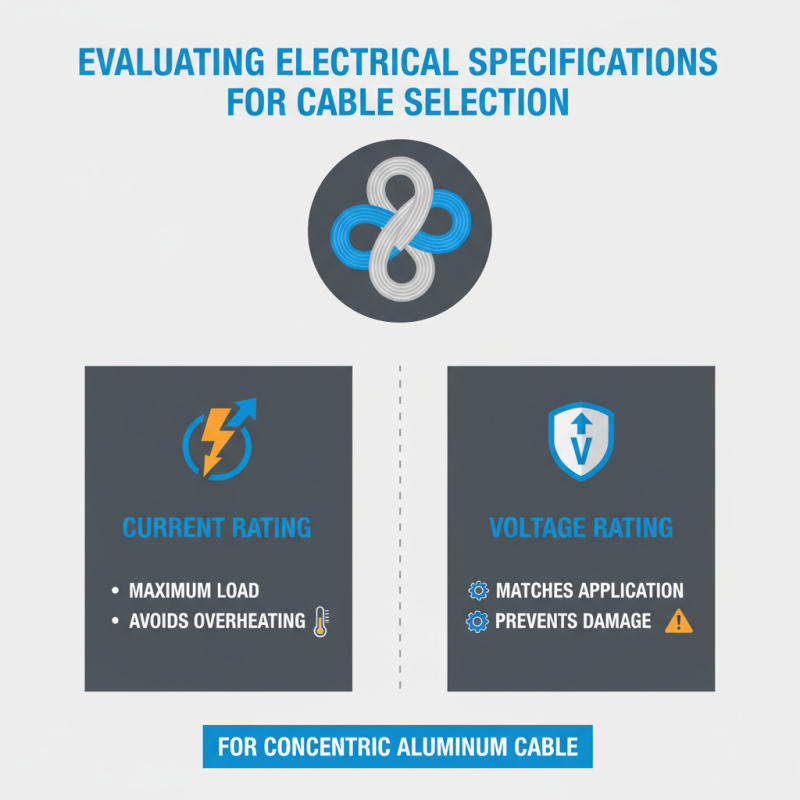
When selecting concentric aluminum cable, evaluating electrical specifications is crucial. Start with the cable's current rating. It tells you the maximum load the cable can handle. Knowing this avoids overheating and potential damage. Pay attention to the voltage rating as well. Ensure it matches your application requirements.
Also, consider the insulation type. Certain environments require specific insulation to protect the cable. This detail is vital for longevity and safety. The cable's flexibility and mechanical strength are important too. Is it suitable for tight bends? A flexible cable often makes installation easier but may compromise durability.
Look into the conductor's configuration as well. Different layouts impact performance and efficiency. Ensure you choose a configuration that aligns with your system design. Assessing these specifications thoroughly contributes to a reliable electrical system. A little research can make a significant difference in performance and safety.
When selecting concentric aluminum cable, environmental factors play a crucial role in performance. Temperature extremes can directly impact cable efficiency. High heat may lead to thermal expansion, while freezing conditions can cause contraction. Choosing cables that can withstand local climates ensures longevity and reliability.
Consider humidity levels too. Moist environments can lead to corrosion, impacting conductivity. It's wise to use cables with protective coatings. This measure can enhance durability and maintain performance over time. Pay attention to potential exposure to chemicals or pollutants. Not all cables are built for harsh conditions.
Tip: Always assess the installation site. Terrain can influence insulation needs. Areas prone to flooding may require specialized cables. Understanding these aspects allows for better choices. Reflect upon the specific environmental challenges your project may face. Selecting the right cable is essential for optimizing performance and safety.
When selecting concentric aluminum cable, budget considerations are crucial. Understanding the costs associated with different options helps in making informed choices. Aluminum cables often come at a lower upfront cost compared to copper. However, they may require more maintenance due to their susceptibility to corrosion. This can lead to unforeseen expenses down the line.
Comparing installation costs is equally important. If a cable is lighter, it might reduce labor costs. Yet, if it requires specialized connectors, expenses can rise. Evaluating the total lifecycle cost of the cable is essential. Sometimes, cheaper options may not be the best long-term investment. It’s wise to calculate energy efficiency savings, as better quality cables can enhance performance.
Don’t forget to consider future needs as well. Your current budget may not accommodate expansive projects. Reflecting on potential growth can prevent overspending in the future. Also, discuss estimates with professionals. Their experience can highlight hidden costs you might overlook. If you rush the selection process, you might choose a product that is not perfect for your requirements.
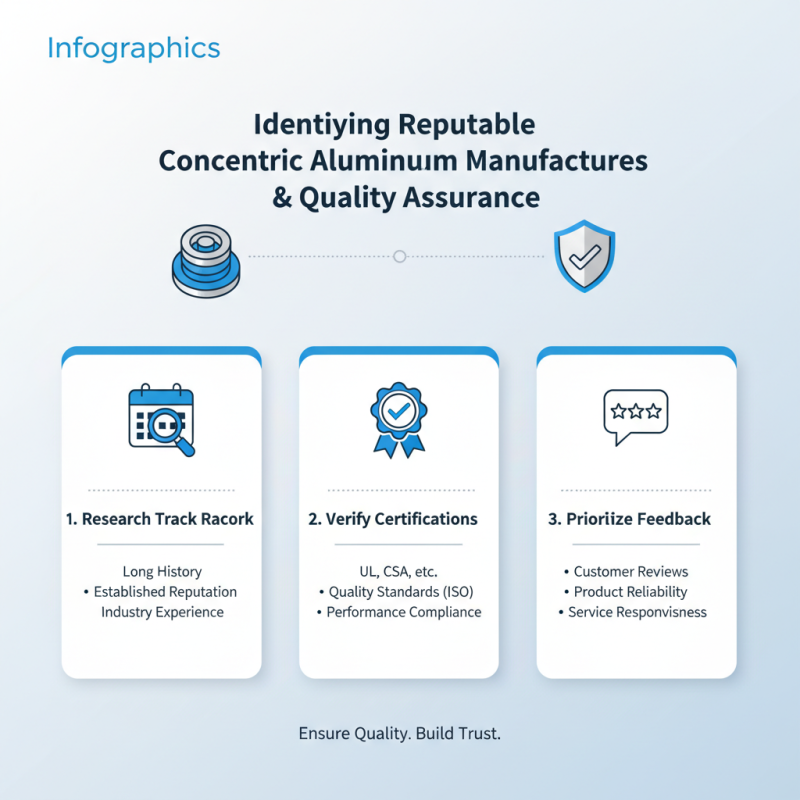
When selecting concentric aluminum cable, identifying reputable manufacturers is crucial. Start by researching companies with a long track record. Look for manufacturers that have gained industry certifications. Certifications often indicate a commitment to quality and performance standards. Seek out companies that prioritize customer feedback. This can offer insights into the reliability of their products.
Quality assurance practices are equally important. A reputable manufacturer will adhere to comprehensive testing protocols. Ask if they perform regular inspections and utilize third-party testing organizations. This ensures that their cables meet necessary specifications. Consider whether the manufacturer is transparent about their processes. Clear communication about production protocols is a good indicator of reliability.
Reflecting on possible challenges, remember that the market can be overwhelming. Not all filters applied during your research may yield clear results. Some manufacturers might exaggerate their capabilities. Once you identify potential manufacturers, review their product samples. Test the cables if possible. Real-world performance can reveal weaknesses that specifications may not disclose.