What is Mains Cable and Why is it Important for Buyers?
In the world of electrical systems, the term "Mains Cable" holds significant importance. According to Richard Lawson, a leading expert in electrical engineering, "Choosing the right Mains Cable can greatly influence the safety and efficiency of electrical systems." Mains Cables are essential for connecting electrical appliances to the mains electricity supply. They transmit power from electrical panels to various devices, playing a crucial role in everyday functionality.
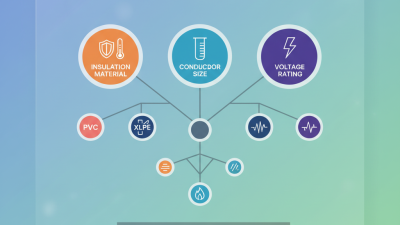
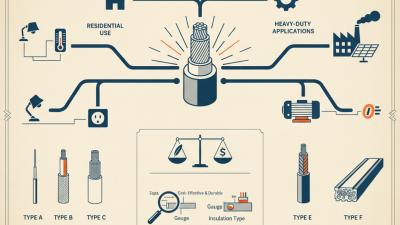
Understanding Mains Cables is not just about knowing their types. Buyers need to consider factors like material, size, and insulation. A subpar choice may lead to dangerous overheating or electrical faults. Such oversight might compromise the safety of households. Reliable Mains Cables help prevent failures and provide peace of mind to users.
In today’s market, the variety of Mains Cables can be overwhelming. Misinformation often clouds the selection process. It's vital to consult with experts and conduct thorough research when making a decision. By recognizing the importance of Mains Cables, buyers can make informed choices that ensure their safety and the reliability of their electrical systems.
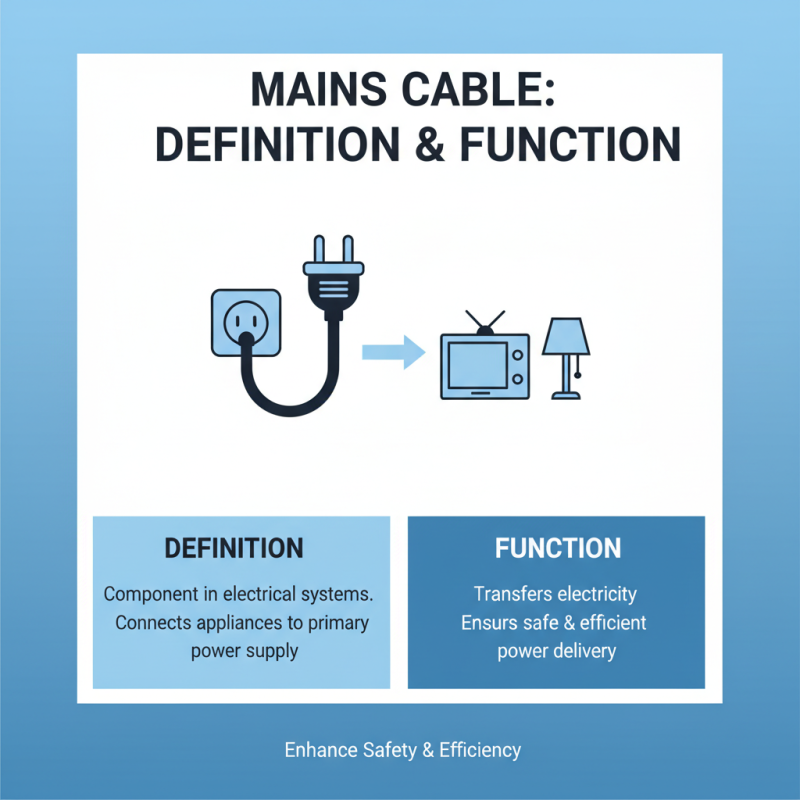
What is Mains Cable: Definition and Basic Function
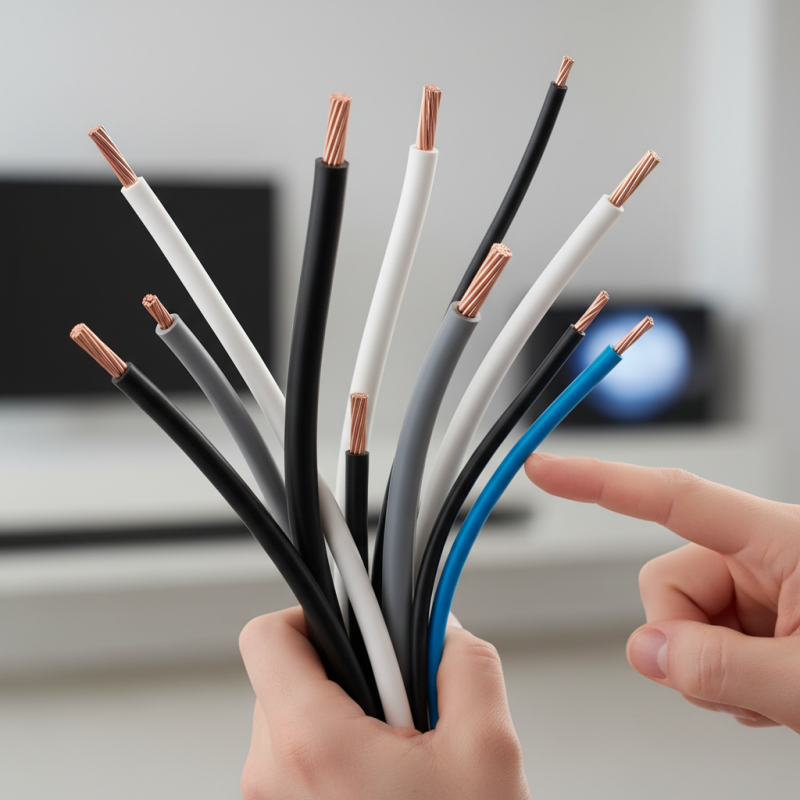
Mains cable is a crucial component in electrical systems. It connects your electrical appliances to the primary power supply. Understanding what mains cable is can enhance safety and efficiency in any setup.
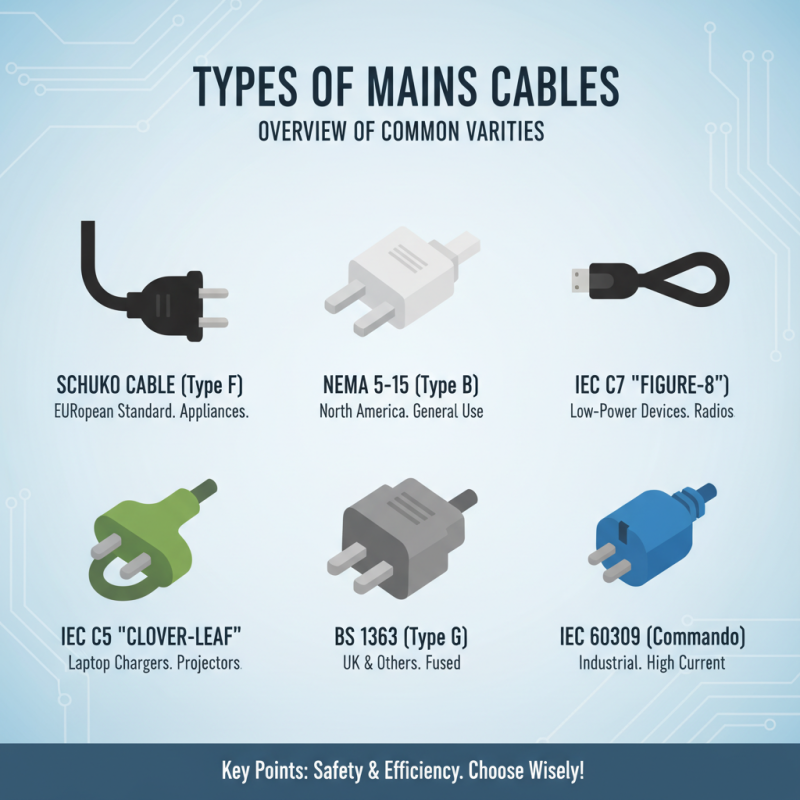
Mains cables come in various types, designed to handle different power loads. They are typically made of copper or aluminum, ensuring excellent conductivity. The insulation surrounding these wires protects against electrical shock and short circuits. Buyers should pay attention to the cable's specifications, such as voltage rating and current-carrying capacity. These factors determine the cable's ability to safely transmit electricity.
Many people underestimate the importance of choosing the right mains cable. Using an incorrect type can result in overheating or equipment failure. Furthermore, damaged cables pose severe risks, including fire hazards. Awareness of these risks is essential for every buyer. Evaluating the condition and suitability of your mains cable is a crucial step in ensuring safety and functionality.
Key Features and Specifications Buyers Should Know
Mains cable plays a critical role in daily electrical systems. Buyers must be aware of its specifications. One key aspect is the cable's gauge, which affects current capacity. A thinner gauge may heat up and pose risks. Therefore, always consider the gauge for safety.
Another vital feature is insulation material. High-quality insulation withstands heat and reduces wear. It ensures safety and longevity. Consider cables with durable insulation for outdoor and industrial use. Some may overlook this aspect. This can lead to failures or hazards over time.
Buyers should also check the cable length. Too short can limit usage, while too long may cause voltage drop. Measuring your space is essential. Additionally, consider flexibility. Rigid cables might be challenging to work with. A balance of flexibility and sturdiness is required. Many choices exist, so evaluate your needs carefully before making a purchase.
Mains Cable Specifications Overview
This bar chart illustrates the key specifications buyers should be aware of when considering mains cables. Each category provides essential data about various cable types, showcasing attributes like voltage rating, current rating, conductor material, and insulation type.
Importance of Mains Cable Quality for Safety and Performance
Mains cables are crucial for electrical connections in homes and offices. Their quality directly impacts safety and performance. A poorly made cable can lead to overheating and electrical fires. Inferior materials may break down over time, causing dangerous situations. Understanding these risks is essential for buyers.
Safety should always come first. Cables must meet specific standards to ensure they can handle the required load. A good quality mains cable reduces the risk of electrical faults. Investing in reliable cables is not just about longevity; it’s about protecting lives and property.
Buyers often overlook the importance of insulation and durability. Many cables can look similar, but their inner components vary widely. Poor insulation can lead to short circuits. Some cables are rated for higher temperatures than others. Reflecting on these details leads to better, safer choices in electrical products.
What is Mains Cable and Why is it Important for Buyers?
| Dimension |
Description |
Importance |
Quality Indicator |
| Voltage Rating |
The maximum voltage that the cable can safely carry. |
Ensures the cable can handle the electrical load without risk of failure. |
Must match or exceed requirements for the application. |
| Current Rating |
The maximum current the cable can carry without overheating. |
Prevents overheating and potential fire hazards. |
Usually defined in amperes for the specific cable type. |
| Insulation Type |
Material that covers the conductors to prevent electrical leakage. |
Critical for safety as it provides electrical insulation. |
Look for certifications like PVC, XLPE, or rubber. |
| Cable Size |
Diameter of the cable, including insulation. |
Affects flexibility and ease of installation. |
Measure in mm² for cross-sectional area. |
| Environmental Rating |
Indicates suitability for various environmental conditions. |
Ensures durability in specific conditions like moisture or heat. |
Check for ratings like IP Ratings for water and dust resistance. |
Factors to Consider When Choosing Mains Cables for Your Needs
Choosing the right mains cable is crucial for your electrical setup. A few key factors influence this decision. First, consider the cable's gauge. Thicker cables handle more current seamlessly. This can enhance durability and safety. If you are running high-power devices, opt for a lower gauge wire.
Next, think about the length of the cable. Longer cables can lead to energy loss. This could mean ineffective performance for your equipment. Aim for the shortest length possible. Additionally, check the insulation type. Good insulation protects against electrical hazards. It can also withstand wear and tear over time.
People often overlook environmental factors. Heat and moisture can degrade cables faster. Make sure you assess your installation area. Choosing the right mains cable requires thoughtful consideration. Each detail matters to ensure reliability and efficiency. Sometimes, even minute nuances can lead to major issues down the line.



 +86 13777722188
 WHATSAPP
 PHONE
PHONE E-MAIL