PVC Aluminum Cable Tips for Better Performance and Safety?
In today's electrical landscape, the demand for efficient and safe wiring solutions is paramount. The PVC Aluminum Cable stands out for its blend of affordability and performance. Using this type of cable can significantly enhance electrical conduction. However, issues often arise if installation and maintenance are not performed correctly.
Attention to detail is crucial when handling PVC Aluminum Cables. Factors like heat resistance and flexibility are important, yet frequently overlooked. Users must understand the safe operating limits. Insulation quality directly affects performance, and inadequate insulation can lead to safety hazards. Ignoring these aspects may result in electrical failures.
Enhancing performance and ensuring safety with PVC Aluminum Cables requires diligence. Regular inspections can identify potential problems early. Simple practices, like avoiding sharp bends during installation, can make a significant difference. Reflecting on these details can lead to better outcomes and minimize risks. It's essential to prioritize education on these cables for optimal use and safety.
Understanding PVC and Aluminum Cables: Benefits and Applications
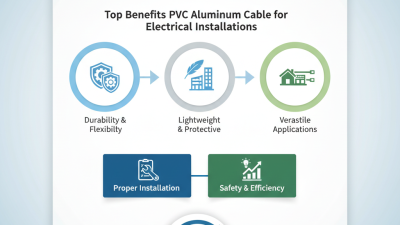
PVC and aluminum cables are essential in various electrical applications. Both materials have distinct characteristics that offer benefits and trade-offs. According to a report by the International Energy Agency, aluminum cables can be up to 30% lighter than copper counterparts, making them easier to install. They also have excellent conductivity, which is why they are popular in overhead power lines. However, aluminum is less ductile. This means it can sometimes break under harsh conditions.
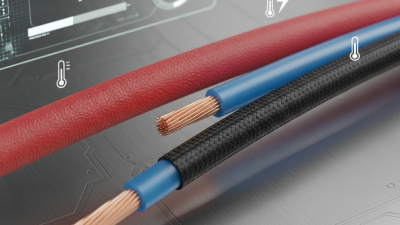
PVC, or polyvinyl chloride, is widely used for cable insulation. It provides reliable protection from moisture and chemicals. A study by the Cable Manufacturing Association noted that PVC can withstand temperatures ranging from -10°C to 70°C. This makes it suitable for various environments. However, PVC can degrade when exposed to UV light over time. This is a drawback that should be considered in outdoor applications.
Both types of cables offer good performance when used correctly. Yet, there are safety concerns with aluminum cables if they are not installed carefully. Proper connections are crucial to prevent overheating. A report from the National Fire Protection Association found that poorly installed aluminum cables are a common cause of electrical fires. Users must assess both options based on their specific needs and environments.
PVC Aluminum Cable Tips for Better Performance and Safety
| Cable Type |
Material |
Benefits |
Applications |
Safety Tips |
| PVC Cable |
Polyvinyl Chloride |
Durable, flexible, water-resistant |
Residential wiring, appliances |
Avoid overheating, use appropriate insulation |
| Aluminum Cable |
Aluminum |
Lightweight, cost-effective, good conductivity |
Power distribution, overhead lines |
Ensure proper connections, avoid corrosion |
| XLPE Cable |
Cross-linked Polyethylene |
High thermal and electrical performance |
Industrial applications, substations |
Follow installation guidelines, check for damage |
Key Safety Considerations When Using PVC Aluminum Cables
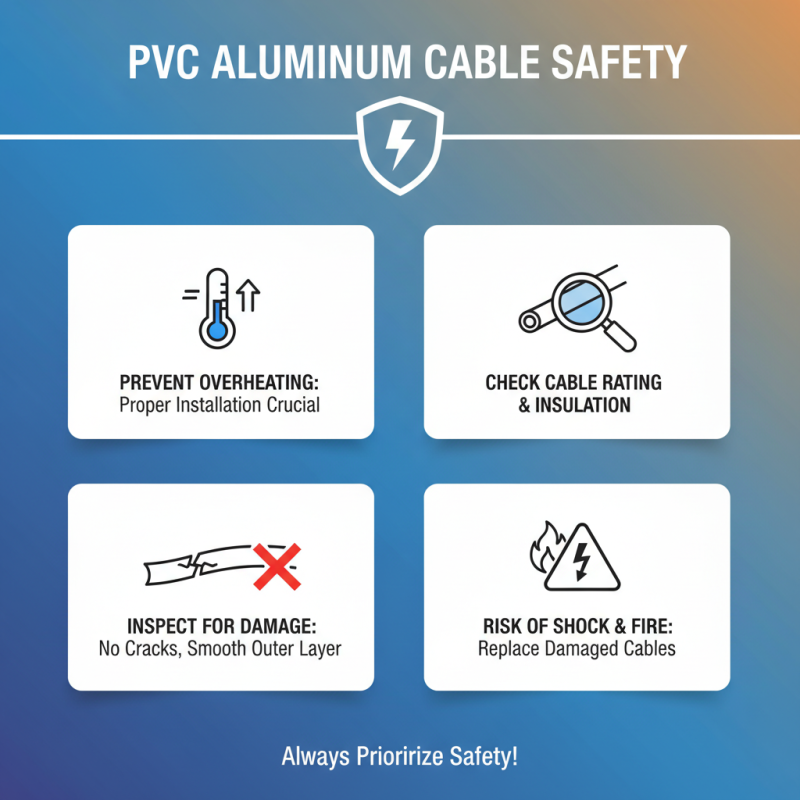
When using PVC aluminum cables, safety is paramount. These cables can be prone to overheating if not installed correctly. Always check the cable rating before use. Ensure that the insulation is intact and free from damage. The outer layer should be smooth, without cracks. A damaged cable can lead to electrical shock or fire hazards.
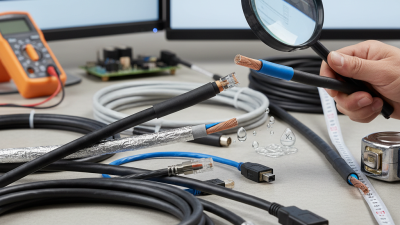
Moreover, ensure proper connections when using these cables. Loose connections can cause arcing, which is dangerous. It is wise to use appropriate connectors and avoid mixing different cable types. Testing the connections with a multimeter can help identify issues early.
Proper handling is essential. Wear gloves during installation. Be aware that aluminum cable must be treated carefully to avoid scratching. Over time, oxidation can occur, leading to connection failure. Regular inspections can prevent unexpected issues. Remember, safety should never be compromised for convenience.
Best Practices for Installation and Maintenance of Cables
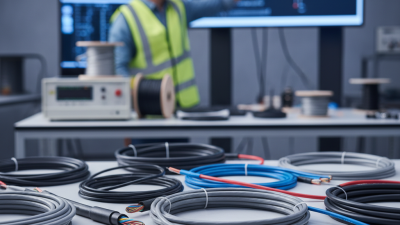
When installing PVC aluminum cables, attention to detail is essential. Proper routing and securing of cables prevent damage. Ensure that cables are not compressed or bent sharply. Use appropriate clips and ties to support them in place.
Avoid exposing cables to extreme temperatures or moisture to prevent degradation. Check for any signs of wear or insulation damage regularly. This simple routine can extend the life of the cables.
Regular maintenance is equally important. Inspect connections and terminations to ensure they are secure.
Loose connections can lead to overheating or even electrical fires. If you notice any corrosion, take action promptly. Cleaning the terminals can make a significant difference. Additionally, keep the surrounding areas clean and free of debris that could lead to hazards.
Remember, a small oversight can lead to bigger issues down the line. Always prioritize safety as you work with electrical components.
Enhancing Performance: Tips for Selecting the Right Cables
When selecting cables, one must consider various factors for optimal performance. First, the type of insulation used plays a crucial role in safety. For instance, PVC insulation can withstand extreme temperatures. However, it may not be suitable for environments with chemical exposure.
The gauge of the wire is another key point. Thicker wires can handle more current, reducing the risk of overheating. A common mistake is using a wire gauge that's too thin. This oversight can lead to failures and safety hazards. Additionally, the length of the cable may impact performance. Longer cables can introduce resistance, affecting the efficiency of power delivery.
Don't overlook connectors and compatibility. Poor connections can lead to energy loss and safety risks. It’s essential to verify that all components work seamlessly. Evaluating these details may take time, but it’s worth the effort. A well-informed choice can prevent future headaches and ensure lasting performance.
Common Issues and Troubleshooting for PVC Aluminum Cable Systems
PVC aluminum cables are popular due to their durability and flexibility. However, they can face several common issues that affect performance. One frequent problem is insulation wear. Over time, the PVC can degrade, leading to exposure of the aluminum core. This may result in short circuits or even fires. Regular inspections are crucial to identify any signs of wear early.
Another concern is corrosion. Aluminum, while lightweight, can oxidize when exposed to moisture. This can weaken the connections within the cable system. It’s essential to ensure that all connections are sealed properly. Another tip is to avoid using aluminum cables in damp environments without proper protection.
Installation errors can also lead to serious issues. If cables are not installed correctly, this can cause increases in resistance. This leads to heat buildup. That’s something you don’t want. Follow installation guidelines carefully. Over time, reflecting on these potential pitfalls can help improve safety and performance in the use of PVC aluminum cables. Regular maintenance and vigilance can keep your systems running smoothly.
PVC Aluminum Cable Performance Analysis



 +86 13777722188
 WHATSAPP
 PHONE
PHONE E-MAIL