Top Tips for Choosing the Right Aerial Cable for Your Needs?
Choosing the right aerial cable is vital for ensuring optimal performance and safety in various applications. Industry expert John Smith, a senior engineer with over 20 years of experience in aerial cable technology, once said, "Select an aerial cable that suits your environment; it can make or break your project." This insight highlights the importance of understanding specific needs before making a selection.
Aerial cables are not all created equal. With various types available, factors such as insulation material and tensile strength need to be considered. A cable suitable for urban areas may not work well in rural settings. This nuance is crucial, yet many overlook it, leading to project delays and increased costs.
Moreover, environmental factors such as wind, temperature, and moisture must not be ignored. These can significantly impact the performance of your aerial cable over time. Discussions with professionals can provide valuable insights, yet it’s easy to fall into the trap of assuming all cables are interchangeable. Recognizing these distinctions can lead to better choices and enhanced project outcomes.
Understanding Aerial Cables: Types and Applications
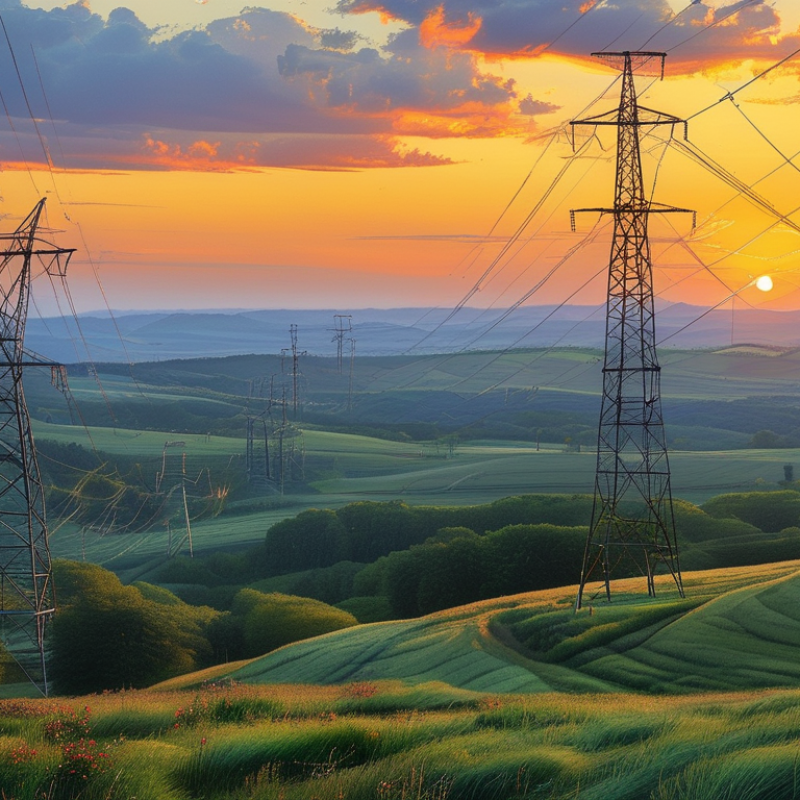
Aerial cables are crucial for various applications, ranging from telecommunications to power distribution. Understanding the types can help in making the right choice. There are two main types of aerial cables: self-supporting and messenger-supported. Self-supporting cables are ideal for short spans and lighter loads. In contrast, messenger-supported cables can carry heavier loads over long distances, offering greater durability.
For instance, according to a report by Research and Markets, the aerial cable market is expected to reach $10 billion by 2026. This reflects a growing reliance on aerial systems for efficient signal transmission and energy distribution. Aerial cables often comprise multiple conductors, insulated to withstand environmental hazards. This insulation is vital, as extreme weather can impact performance.
Some common applications include overhead power lines and communication networks. Many companies still overlook the importance of cable elevation. Insufficient height can lead to outages and safety issues. Furthermore, proper installation techniques are essential to ensure long-term reliability. Awareness of these factors can lead to better decision-making in selecting aerial cables.
Top Tips for Choosing the Right Aerial Cable for Your Needs
Factors to Consider When Selecting Aerial Cables
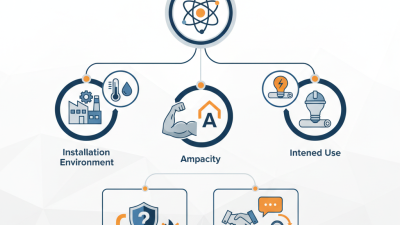
When selecting aerial cables, several factors demand careful consideration. The environment plays a crucial role. Aerial cables must withstand various weather conditions. Exposure to UV rays can degrade materials over time. According to the International Electrical and Electronics Engineers (IEEE), UV resistance is vital for cables installed in sunlight. The temperature range is equally significant. Extreme heat or cold can affect cable performance. For instance, cables should maintain integrity from -40°C to 70°C.
Another factor is the cable's construction and materials. The choice between aluminum and copper impacts conductivity and weight. Copper, although heavier, often provides better conductivity. However, aluminum is lighter and less expensive, making installation easier. A report by the National Electrical Manufacturers Association (NEMA) indicates that 60% of aerial installations use aluminum due to these benefits. Understanding these trade-offs is essential for optimal performance.
Moreover, load capacity should not be overlooked. Cables must support both their own weight and any additional load. This is where derating factors come into play, especially in high-temperature environments. Choosing the right gauge is critical. A cable that is too thin may fail under stress, and one that is overly thick can be unnecessarily costly. Regular reviews of safety standards are also recommended, as regulations can evolve. Misjudging any of these factors can lead to costly failures.
Evaluating Environmental Conditions for Aerial Cable Use
When selecting aerial cables, assessing the environmental conditions is crucial. Factors such as temperature, humidity, and exposure to UV rays can significantly affect cable performance and lifespan. For example, cables installed in areas with high temperatures may require special insulation to prevent overheating. The market data indicates that temperature fluctuations can reduce cable longevity by up to 30%.
Moisture is another critical factor. Aerial cables in regions with frequent rain or high humidity need enhanced moisture resistance. According to industry reports, cables exposed to high humidity levels often experience accelerated degradation. This degradation leads to costly repairs and replacements. It is essential to consider local weather patterns, as neglecting this can result in poor cable performance.
Moreover, geographical terrain plays a role. If the cable is installed in mountainous regions or areas with frequent storms, it needs to withstand additional mechanical stress. Studies suggest that proper cable selection based on environmental conditions can improve reliability by over 40%. Understanding these conditions helps in making informed decisions and ultimately enhances the utility of aerial installations.
Safety Standards and Regulations for Aerial Cables
When selecting an aerial cable, understanding safety standards and regulations is crucial. These guidelines ensure that cables can withstand environmental stresses. For example, cables should resist UV rays and moisture. This helps avoid degradation over time. Many standards also emphasize the importance of fire resistance. A cable that meets fire safety regulations can prevent catastrophic accidents.
Adhering to safety requirements not only protects lives but also enhances system reliability. Aerial cables must comply with specific voltage ratings and load capacities. Poor adherence can lead to failures. It’s vital to assess your application thoroughly. Consider factors like temperature and installation height. Each environment poses unique challenges.
Review the certifications your aerial cable should possess. Regulatory bodies set these standards to promote safety. Ignoring them can yield significant risks. Always seek professional advice if unsure. Remember, the right choice of cable involves more than just price; it’s about ensuring safety. Balancing cost with quality can be challenging, but it is necessary for long-term safety.
Cost Considerations and Budgeting for Aerial Cable Installation
When installing aerial cables, cost considerations play a crucial role. A report from the Institute of Electrical and Electronics Engineers (IEEE) indicates that budget overruns in aerial installations can reach up to 25%. This statistic emphasizes the need for careful planning and realistic budgeting.
Understanding the various costs involved is essential. Typically, costs are divided into materials, labor, and installation equipment. According to industry experts, materials can account for 40% of the total budget. This includes the type of cable chosen, which can significantly affect overall expenses.
Tip: Always conduct a thorough site survey before budgeting. This can help identify potential challenges, allowing for a more accurate estimate.
Another factor is labor costs, which vary by region. The National Electrical Contractors Association (NECA) suggests labor can reach up to 30% of installation costs. Partnering with experienced installers can mitigate unexpected costs.
Tip: Get multiple quotes from contractors to ensure competitive pricing.
Contingency funds are also vital. Allocating an additional 10-15% of your budget for unforeseen expenses can protect against financial strain. Armed with these insights, you can make informed decisions that align with your financial capabilities.
Top Tips for Choosing the Right Aerial Cable for Your Needs
| Cable Type |
Application |
Average Cost per Meter |
Key Features |
Budget Considerations |
| Optical Fiber |
Data Transmission |
$2.50 |
High speed, long distance |
Higher initial cost, lower maintenance |
| Coaxial Cable |
Video and Broadband |
$0.80 |
Good bandwidth, affordable |
Cost-effective for short distances |
| Twisted Pair |
Telecommunication |
$0.30 |
Easy installation, versatile |
Lowest cost, suitable for local networks |
| Aerial Bundled Cable |
Electricity Distribution |
$1.20 |
Reduced electrical losses, weather resistant |
Moderate cost with long-term benefits |
| Aluminum Conductor |
High Voltage Transmission |
$1.70 |
Lightweight, high conductivity |
Cost-effective for large scale projects |



 +86 13777722188
 WHATSAPP
 PHONE
PHONE E-MAIL