+86 13777722188


When considering electrical installations, the choice of materials is essential. One popular option is Single Core Cable. This type of cable has specific advantages that can enhance the effectiveness of your projects.
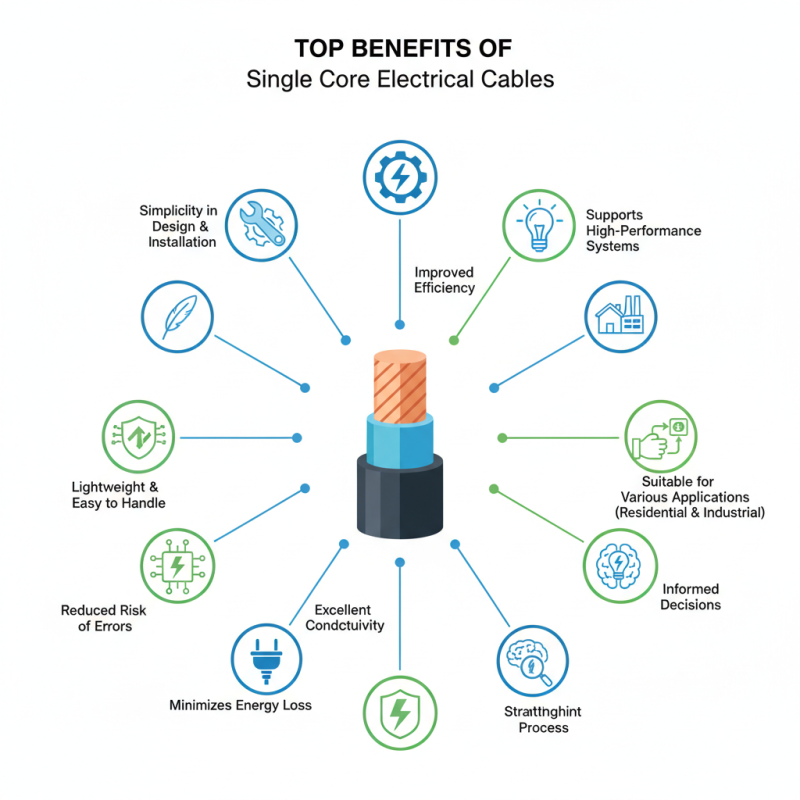
Single Core Cable offers simplicity in design and installation. It is lightweight and easy to handle. This makes it suitable for various applications, from residential wiring to industrial uses. Many professionals appreciate its straightforward installation process. The reduced risk of installation errors is a plus for both seasoned experts and newcomers.
Moreover, Single Core Cable provides excellent conductivity. This minimizes energy loss and improves overall efficiency. When used correctly, it can support high-performance electrical systems. However, some may overlook the importance of proper installation techniques. Understanding its limitations and strengths is crucial for maximizing benefits. By reflecting on these factors, you can make more informed decisions for your wiring needs.
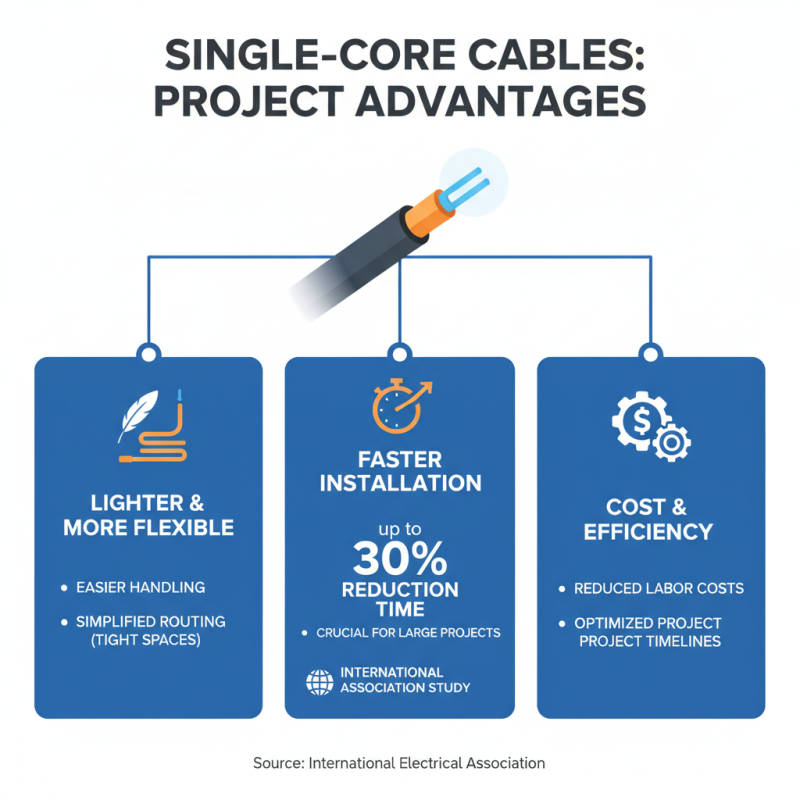
Single core cables offer distinct advantages in electrical projects. They are commonly lighter and more flexible than multi-core alternatives. This flexibility simplifies installation, especially in tight spaces. A study from the International Electrical Association shows that single core cables can reduce installation time by up to 30%. This improvement is particularly valuable in large-scale projects.
Another key benefit is their enhanced conductivity. When using single core cables, the chance of signal loss decreases. Conductivity can be up to 98% efficient. This is crucial for projects requiring high reliability, like telecommunications or data centers. However, some professionals note that single core cables may require more careful handling to avoid damage. This leads to potential risks during installation.
Cost is another factor to consider. Single core cables generally have a lower upfront cost. A recent report indicated that switching to single core can save project costs by 20%. This is appealing for budget-conscious projects. Yet, it is essential to weigh these savings against possible long-term durability issues. The choice between cable types often comes down to specific project requirements and environmental factors.
Single core cable offers a cost-effective solution for many projects. Its simplicity can lead to lower installation costs. Multi-core cables often require complex setups, making them pricier. When budgets are tight, single core cables present an attractive alternative. These cables are easier to manufacture and less expensive to transport.
When choosing between options, consider the project’s specific needs. Sometimes, multi-core may seem like an easier choice but can increase costs unnecessarily. A straightforward installation with single core cables can save time and labor expenses.
Tips for using single core cables: Ensure that the cable's insulation rating meets your project's requirements. Match the cable size with the load to avoid performance issues. Always verify local regulations to ensure compliance. Don't overlook the potential for future upgrades; choosing single core might limit flexibility if needs change. Think ahead.
Single core cable shines in terms of flexibility and installation ease. Its lightweight design allows for swift maneuverability. Whether in tight spaces or large areas, it adapts with minimal hassle. The cable can be easily routed around obstacles, unlike thicker alternatives. This can save valuable time on your projects, enhancing overall productivity.
Managing single core cable can sometimes lead to tangling. Care is needed during installation to avoid these snags. However, the effort often pays off when the final outcome is visually pleasing and organized. Additionally, it allows for quick terminations, which is an advantage in urgent situations. Fast connections lead to immediate project progress, making it a favorite for many electricians and engineers alike.
Being mindful of spacing is crucial. Overloading single core cable can strain the system. Therefore, proper calculations are necessary to ensure safety. This is an area where reflection is vital. Mistakes could lead to complications down the line. Yet, the overall flexibility remains a significant benefit, making it an essential choice for various applications.
Single core cables have gained popularity for various projects, mainly due to their enhanced performance. Unlike multi-core cables, single core setups allow for a more direct path for the signal. This feature leads to reduced signal loss, which is crucial in many applications. It’s fascinating to see how a single wire can make a significant difference in efficiency.
In installations where distance matters, single core cables excel. They tend to maintain signal integrity over longer distances. When projects require minimal interference, these cables shine. However, it’s important to note that using single core cables may limit flexibility. While they are effective, they can be tricky in tight spaces.
Another key aspect is the simplicity of installation. Fewer cores often mean less complexity. However, this can sometimes lead to oversights, especially if not planned carefully. It’s essential to evaluate the specific needs of your project. With a bit of forethought, single core cables can be a game-changer in delivering high performance and minimizing signal degradation.
Single core cables stand out for their safety features. They have a straightforward design that reduces the risk of accidental damage. The insulation is strong, minimizing wear and tear. This durability means the cables last longer, even in tough environments.
Moreover, single core cables are easier to manage. Their flexibility allows for simple installations in various projects. Yet some may underestimate their strength. Any oversight in handling could lead to issues. Understanding their limitations is crucial for optimal use. Proper maintenance enhances safety, making regular checks essential.
In challenging weather conditions, single core cables perform reliably. Their construction withstands moisture and extreme temperatures. This resilience can prevent failures during critical times. Still, users need to adapt to each project's unique demands. Ignoring these aspects could result in mishaps. Awareness of all variables will elevate project safety and success.
| Benefit | Description | Application |
|---|---|---|
| Improved Safety | Single core cables reduce the risk of short circuits, enhancing overall safety. | Residential and industrial wiring |
| Reduced Weight | Lighter than multi-core cables, making installations easier and more efficient. | Electronic devices, appliances |
| Flexibility | Can be installed in tight spaces due to its flexibility. | Tight spaces in machinery |
| Durability | Typically has a longer lifespan due to less material fatigue. | Outdoor and harsh environments |
| Cost-Effectiveness | Often cheaper overall due to reduced installation costs and maintenance. | Long-term projects |
| Heat Resistance | Better heat dissipation compared to multi-core options. | High temperature environments |
| Ease of Repair | Easier to trace faults and replace single wires compared to bundles. | Maintenance operations |
| Lower Inductance | Better performance in signal transmission, especially in high-frequency applications. | Communication systems |
| Versatile Use | Suitable for various applications, from industrial to residential use. | General electrical applications |
| Resistance to External Damage | Single core cables can be designed to be more resistant to environmental damage. | Construction and outdoor installations |