2026 Top Control Cable Types for Efficient Connectivity Solutions?
The demand for efficient connectivity solutions is surging as industries evolve. Control cables play a vital role in maintaining seamless communication between devices. According to a recent report from MarketsandMarkets, the global control cable market is expected to reach $8 billion by 2026, driven by technological advancements and increased automation.
Control cables are essential in sectors like manufacturing, transportation, and energy. They enable precise control and monitoring of equipment, ensuring operational efficiency. However, challenges persist, including the need for cables that withstand harsh environments. The right type of control cable can significantly impact overall performance and safety.
In a world striving for innovation, selecting suitable control cable types becomes crucial. Organizations must be vigilant in their choices, balancing quality and cost. As we look toward 2026, we must evaluate the trends and technologies shaping the future of control cable connectivity.

Types of Control Cables: An Overview of Industry Standards and Applications
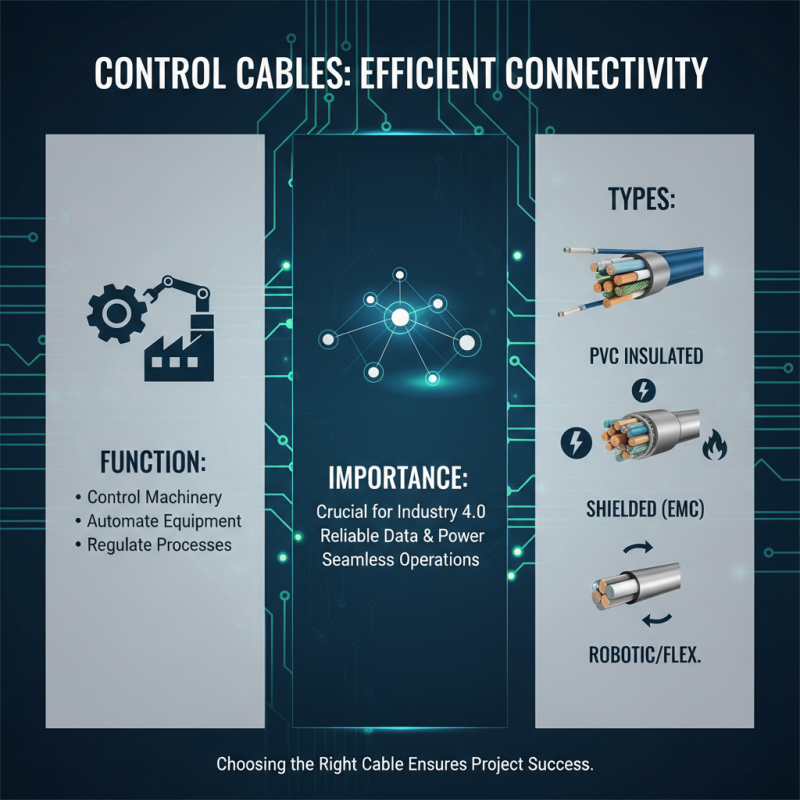
Control cables are crucial for efficient connectivity solutions across various industries. These cables control machinery, equipment, and processes. Their types vary based on application, environment, and specifications. Understanding the distinctions helps ensure the right choice for any project.
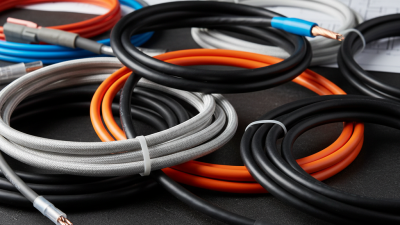
Common types include electrical control cables, which carry signals between devices. They are flexible and designed for dynamic movements. There are also hybrid cables that combine power and signal transmission. In industrial settings, these cables face harsh conditions. It’s essential to consider cable shielding and insulation materials.
Some applications use light-duty cables for residential systems. Others require heavy-duty cables for automated machinery. Each type comes with distinct industry standards. Adhering to these standards can be challenging. Not every project perfectly aligns with available options, leading to potential inefficiencies. A careful selection process is vital to achieve optimal performance.
Key Specifications for Control Cables: Voltage Ratings and Insulation Types
Control cables are vital for efficient connectivity across various applications. Understanding their voltage ratings and insulation types is crucial for optimal performance.
Voltage ratings determine how much electrical energy can safely pass through a cable. For instance, cables rated up to 600V are common in industrial settings. Meanwhile, those with higher ratings can handle special applications, reaching up to 35kV.
Insulation type also plays a significant role. PVC insulation is widely used due to its cost-effectiveness and durability. However, it may not perform well in extreme temperatures.
On the other hand, XLPE (cross-linked polyethylene) is more resilient. It can withstand both high voltages and temperatures.
Industry reports suggest that the demand for XLPE cables has increased by 15% over the past three years in industrial applications.
Despite advancements, some challenges persist. Not all manufacturers adhere to the latest standards, leading to quality inconsistencies. It’s essential for engineers to verify specifications before selecting cables.
For instance, many overlook the insulation's thermal resistance, which can result in failures in critical systems. These insights emphasize the need for careful selection based on accurate technical specifications.
Emerging Technologies in Control Cable Manufacturing: Trends for 2026
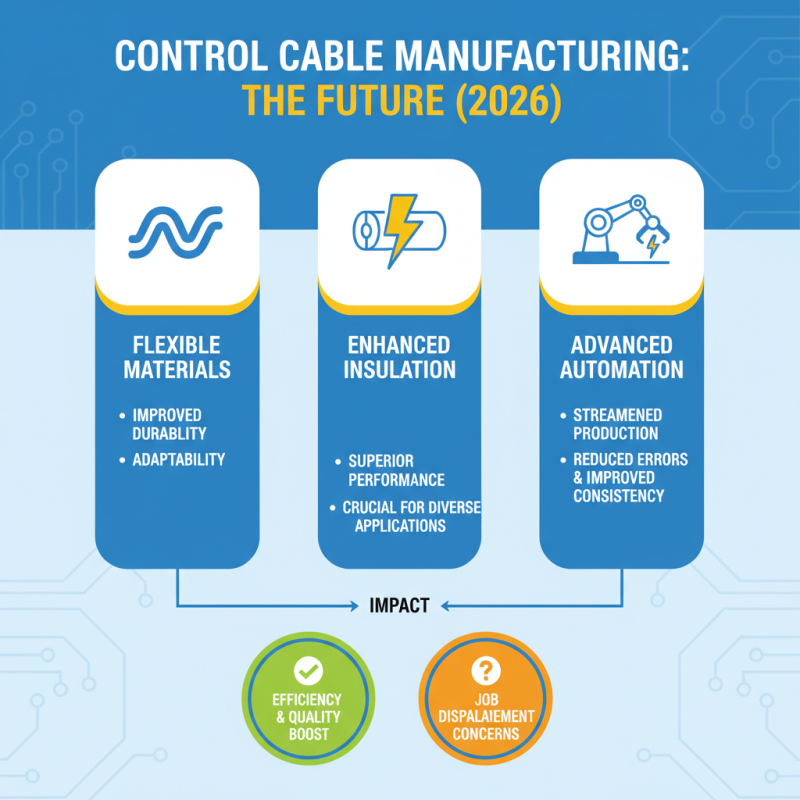
Emerging technologies are transforming control cable manufacturing. In 2026, we expect to see flexible materials offering improved durability. Enhanced insulation materials will provide better electrical performance, which is crucial for various applications. Advanced automated production methods will streamline manufacturing processes. Automation can reduce errors and improve consistency. However, reliance on machines raises questions about job displacement.
Sustainability is another key focus in cable production. Manufacturers are exploring eco-friendly materials to reduce environmental impact. Recycling initiatives will likely gain traction, aiming for a circular economy. But the challenge lies in balancing performance with sustainability. Achieving high standards while minimizing waste is not easy.
Another aspect to consider is the incorporation of smart technology. Integrated sensors in cables can provide real-time monitoring. This data may improve system performance and safety. However, potential cybersecurity threats must be addressed. Ensuring data security remains a significant challenge as technology evolves. The path to efficient connectivity solutions is complex and requires continuous innovation.
Comparative Analysis of Control Cable Types: Performance Metrics and Use Cases
When analyzing control cable types, performance metrics are crucial. Different cables serve varying industrial needs. For instance, shielded cables are vital for environments with electromagnetic interference (EMI). They can reduce signal noise by up to 80%, according to industry standards. This makes them a top choice for precision applications. However, the complexity and cost of these cables can be a drawback.
Unshielded cables, on the other hand, are simpler and more cost-effective. They work well where EMI is minimal. However, their inability to reduce noise affects overall performance. Recent reports indicate that unshielded cables can decrease data integrity by 25% in high-EMI environments. This highlights a need for careful selection based on specific use cases.
In marine or outdoor setups, rugged cables are preferred. They are built to resist weather and physical wear. Yet, their thicker outer jackets can make installation challenging. Many projects face delays due to these complexities. Companies must weigh benefits against these operational hurdles when choosing the right type of control cable for connectivity solutions.
Best Practices for Selecting Control Cables: Efficiency and Reliability Considerations
Selecting control cables is essential for ensuring efficient and reliable connectivity solutions. The right choice impacts performance. Look for variations in insulation, flexibility, and durability. Each specification influences how the cable performs under different conditions.
Consider temperature ratings and environmental factors. Cables working in harsh conditions require robust materials. Some may not withstand extreme heat or cold. Prioritize applications and environments where the cable will be used. This prevents unexpected failures.
Pay attention to installation and maintenance needs. Some cable types are easier to install but might need more frequent checks. Others may be more robust but harder to handle. Balancing cost, performance, and longevity is vital. Don't overlook the importance of compatibility with existing systems. Reflect on the long-term implications of your choices.



 +86 13777722188
 WHATSAPP
 PHONE
PHONE E-MAIL