Top 10 Electrical Cable Types for Your Global Sourcing Needs?
In today's interconnected world, sourcing the right electrical cable types is crucial for businesses. Industry reports indicate that the global electrical cable market is projected to reach $300 billion by 2025, highlighting its critical importance. According to Dr. Emily Harrington, a leading expert in electrical engineering, "Choosing the right electrical cable can significantly impact both safety and efficiency in operations."
Different applications require different types of electrical cables. Some cables are designed for high voltage, while others cater to low voltage environments. For example, thermoplastic insulation cables are favored in residential wiring, while armored cables are essential for commercial installations. The complexity of these choices can be overwhelming, making it essential to rely on reliable data and expert guidance.
However, sourcing the wrong type can lead to costly setbacks. Insufficient understanding of specifications and standards results in project delays and budget overruns. Therefore, it's vital for sourcing professionals to stay updated with the latest industry trends and consult experts regularly. Engaging with experienced professionals ensures that the selected electrical cable meets all operational requirements, ultimately leading to improved project outcomes.
Overview of Electrical Cable Types for Global Sourcing
When sourcing electrical cables globally, understanding the various types available is crucial. These cables serve different purposes, ranging from power transmission to telecommunications. According to a report by Research and Markets, the global electrical cable market is projected to reach $232 billion by 2026, highlighting the demand for diverse cable types.
Common types include low voltage (LV), medium voltage (MV), and high voltage (HV) cables. LV cables typically handle up to 1,000 volts and are used in residential applications. MV cables range from 1,001 to 35,000 volts and are crucial in industrial settings. HV cables, on the other hand, are designed for voltages above 35,000 volts, often used in power stations and large infrastructure projects. Selecting the appropriate type is vital to ensure safety and efficiency.
Tip: Conduct a thorough analysis of regional regulations before sourcing. Compliance can significantly affect your supply chain. Not all countries have the same standards. This variability can lead to costly mistakes if overlooked.
Tip: Understand the environmental considerations for cable types. Some cables contain materials that may not be eco-friendly. This could impact your company's sustainability goals. Always prioritize cables with a low environmental footprint to align with industry trends.
Key Factors to Consider When Sourcing Electrical Cables
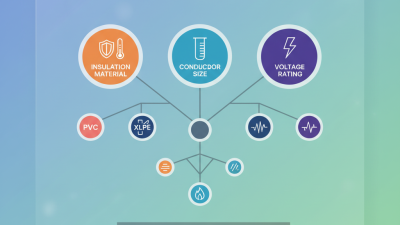
When sourcing electrical cables, several key factors demand attention. Voltage rating is crucial. It defines how much electrical voltage a cable can safely handle. Ensure the cables meet international standards for voltage ratings. A mismatch can lead to equipment failure. It's essential to consult updated industry reports. A recent market analysis by Grand View Research shows that improper voltage ratings account for over 30% of electrical failures in industrial applications.
Cable insulation material also plays a significant role. PVC, rubber, and thermoplastic elastomer (TPE) are common choices. Each material has specific temperature tolerances and chemical resistances. For instance, PVC cables are often chosen for their cost-effectiveness but might not withstand extreme temperatures. Data from Research and Markets indicates a growing preference for thermoplastic materials due to their durability and flexibility.
Another consideration is the cable's flexibility and installation ease. In tight spaces, flexible cables may be necessary. They allow easier routing and installation. Industry surveys reveal that 40% of installation delays are due to cable rigidity. This highlights the importance of selecting the right type based on the installation environment. Evaluating these factors can significantly enhance sourcing efficiency and operational safety.
Detailed Analysis of Top 10 Electrical Cable Types
When sourcing electrical cables, understanding different types is essential. Each cable type serves a unique purpose and varies in specifications. For instance, low-voltage cables are designed for everyday applications, while high-voltage cables cater to industrial uses. The choice between these types can deeply impact your projects.
Insulation materials also play a significant role. PVC is common, but it has limitations under extreme temperatures. Lastly, XLPE offers better performance in such conditions, yet it can be more costly. An informed decision involves weighing benefits against potential downsides, like budget constraints and project demands.
Moreover, the need for flexibility is crucial. Cables can be rigid or flexible. Rigid cables might be more durable, but flexible cables are easier to work with. Deciding which to choose often depends on the specific environment and installation requirements. These considerations reflect a balance of practicality and innovation in electrical cable sourcing.
Application Scenarios for Each Type of Electrical Cable
When sourcing electrical cables, understanding their applications is crucial. Various types cater to specific scenarios. For instance, THHN wires excel in residential and commercial buildings. Their versatility and durability make them popular. They can withstand heat and moisture, complying with industry standards.
Another vital type is the coaxial cable, used primarily in telecommunications. This cable type is ideal for transmitting cable television signals. Its structure minimizes interference, ensuring high-quality transmission. Data from industry reports indicate that the demand for coaxial cables has risen by 15% in the last year alone.
Tip: Always evaluate the installation environment before choosing a cable type. Factors like temperature, exposure, and mechanical stress matter.
For industrial applications, armored cables provide essential protection. These cables are built to resist physical damage. They are commonly used in factories and plant environments where safety is a priority. However, installers must ensure proper termination to avoid potential hazards.
Tip: Conduct regular inspections of cable systems to prevent unexpected failures. Addressing wear and tear early can save costs and ensure safety.
Focusing on the right cable type improves efficiency and safety. Understanding the application scenarios helps make informed choices that support long-term success.
Sourcing Strategies for Electrical Cables in Global Markets
Sourcing electrical cables globally requires a strategic approach. Different regions may have varied standards and practices. Understanding these differences is crucial for success. Knowledge of local manufacturers is also essential. This can help in identifying reliable suppliers.
Market research is vital for effective sourcing. Analyze trends in demand and price fluctuations. Connecting with local distributors can offer insights. They understand the regional requirements and compliance issues. It is wise to prioritize suppliers who demonstrate quality and consistency in their products.
Quality control cannot be overlooked during sourcing. Assessing certifications and testing results is critical. However, differences in testing standards may exist across regions. Engaging with professionals who understand these aspects can minimize risks. Regular reviews of supplier performance can help in maintaining standards. Mistakes in sourcing can be costly but can guide future decisions.



 +86 13777722188
 WHATSAPP
 PHONE
PHONE E-MAIL