Top Benefits of Using Shielded Cable in Your Projects?
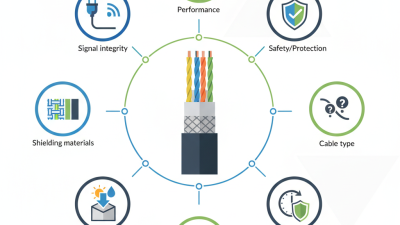
In today's technology-driven world, the choice of cables can significantly influence project outcomes. Among various options available, "Shielded Cable" stands out as a crucial component in maintaining signal integrity. Its design incorporates an insulating layer that protects against electromagnetic interference (EMI) and radio frequency interference (RFI). This protection helps ensure clear data transmission, especially in sensitive industrial settings.
With the increasing reliance on electronic devices, many projects need robust solutions to combat interference. Shielded cables offer that security, reducing the risk of data loss or disruption. However, some may overlook the importance of quality shielding, potentially leading to costly mistakes. Choosing the right type of shielded cable requires expertise and an understanding of specific project needs.
It’s essential to evaluate the environment where these cables will be used. Factors like distance, frequency, and potential sources of interference should play a significant role in selecting shielded cables. Investing time in this decision might prevent future challenges and ensure a smoother operational process. The benefits are clear, but the implementation must be approached with careful consideration.
Advantages of Shielded Cable in Electrical Projects
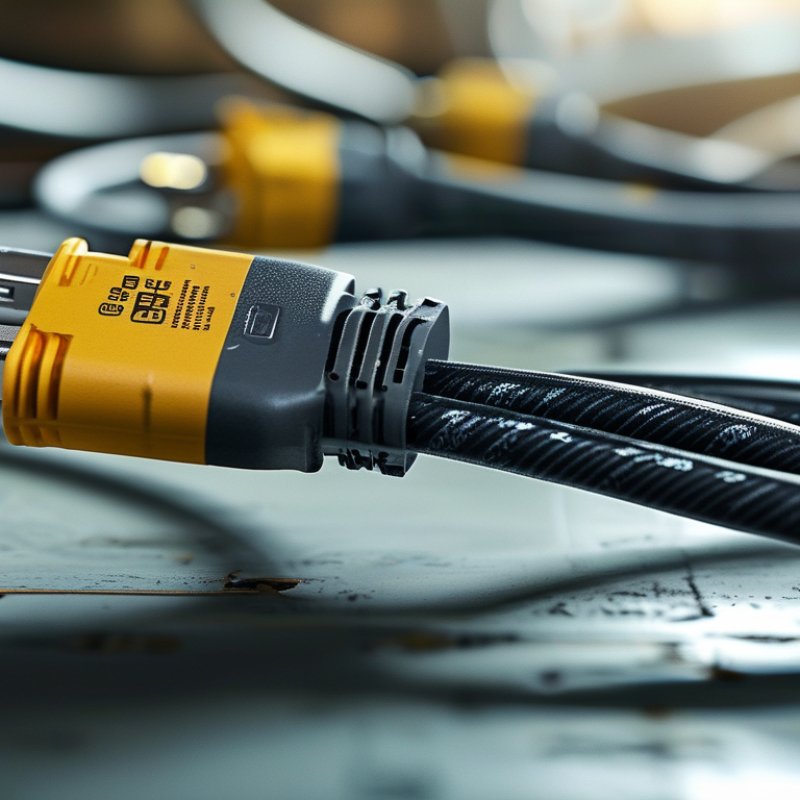
Shielded cables are essential in modern electrical projects. They provide significant advantages in terms of performance and reliability. A report by the International Electrotechnical Commission states that up to 30% of project failures are linked to electromagnetic interference (EMI). Shielded cables help combat this issue. By minimizing EMI, these cables ensure smoother operation and reduce the risk of unexpected downtimes.
Another benefit lies in their durability. Shielded cables are designed to withstand harsh environments. Their construction typically includes multiple layers, which provide both insulation and mechanical protection. According to a study by the National Electrical Manufacturers Association, projects using shielded cables experience a 20% lower failure rate than those using unshielded alternatives. This data highlights the value of investing in quality materials for long-term success.
However, using shielded cables is not without challenges. Proper installation and termination are critical to harnessing their benefits. Inadequate grounding can lead to subpar performance. Additionally, the cost of shielded cables is generally higher than standard cables. This can be a deterrent for some projects. Careful evaluation of project requirements is necessary to determine if the higher investment is justified.
Understanding Electromagnetic Interference and Shielding Effectiveness
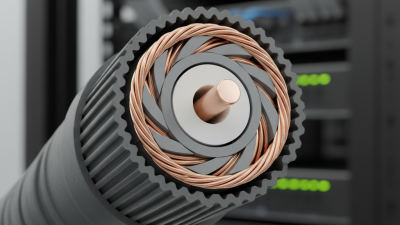
Electromagnetic interference (EMI) is a challenge in many electronic projects. It can disrupt signals and affect device performance. Shielded cables are designed to mitigate these issues effectively. Their construction includes conductive materials that create a barrier against external electromagnetic fields. This minimizes the risk of signal distortion in sensitive applications.
The effectiveness of shielding depends on various factors. Different materials offer varying levels of protection. For example, some cables use braided copper, while others rely on foil layers. Understanding the specific requirements of your project is crucial in selecting the right type. A common mistake is assuming that thicker shielding always provides better protection. In some cases, it may also lead to increased weight and reduced flexibility.
Real-world applications highlight the importance of shielding. In industrial settings, unshielded cables can result in costly downtime. In medical devices, even minor interference can be critical. These situations underscore the necessity of proper shielding. However, careful analysis is needed to balance cost and performance.
Types of Shielded Cable: Options and Their Applications
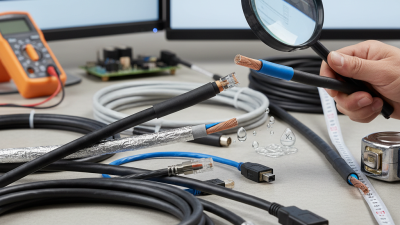
When it comes to shielded cables, various types cater to different project needs. Common types include foil shielded and braided shielded cables. Foil shields provide protection against electromagnetic interference. They are lightweight and flexible, making them ideal for tight spaces. On the other hand, braided shields offer better durability. This makes them suitable for environments with more mechanical stress.
Cable types differ in their applications too. For example, shielded twisted pair cables are popular in data transmission. They excel in reducing crosstalk, enhancing signal quality. In industrial settings, multi-core shielded cables are often preferred. They can handle multiple signals simultaneously while minimizing interference. Each type has strengths and weaknesses, prompting careful selection based on specific project requirements.
Choosing the right cable involves assessing factors like installation environment and required performance. It’s essential to reflect on these elements. A misstep in selection can lead to costly issues later. Understanding the landscape of shielded cables is important. Making informed decisions based on your project needs can significantly impact overall success.
Best Practices for Installing Shielded Cable in Various Environments
When installing shielded cable, consider the environment carefully. Factors like moisture, temperature, and electromagnetic interference can impact performance. In wet areas, use cables rated for moisture resistance. This helps to prevent signal loss and ensures reliability in difficult conditions. For areas with high electromagnetic interference, choosing cables with the right shielding will significantly enhance signal integrity. It's imperative to assess the environment before installation.
Proper installation techniques are crucial. Always maintain proper grounding of the shielded cable. This ensures effective noise reduction. Avoid kinks and sharp bends during installation. These can damage the cable and compromise its protective features. While following guidelines is essential, be mindful of variations in site conditions. Adapt your approach as necessary. Sometimes, the most reliable methods are developed through on-site experiences and adjustments.
Top Benefits of Using Shielded Cable in Your Projects
Cost Considerations and Long-Term Value of Shielded Cable
Using shielded cable in your projects can significantly impact both cost and long-term value. While the initial investment is higher compared to unshielded cables, the benefits often outweigh these costs. Shielded cables are designed to protect against electromagnetic interference. This means fewer disruptions in signal quality and enhanced performance in sensitive environments.
When considering the long-term value, it's essential to factor in reduced maintenance costs. With shielded cable, you are less likely to experience failures and the subsequent downtime. This can lead to substantial savings over time. A well-installed shielded cable can last for years, maintaining its integrity and function.
**Tip:** Always evaluate your project's specific requirements. Analyze the environment where the cable will be installed. Consider potential interference and choose the right type of shielding accordingly. This can prevent costly reevaluations later on.
Additionally, the benefits of using shielded cable extend to safety. In industrial settings, they can reduce the risk of electrical hazards. Safety should always be a priority in project design.
**Tip:** Prioritize quality during installation. Ensure that the connectors and terminations are also of high quality. Poor connections can undermine the benefits of using shielded cable. Investing in comprehensive installation will pay off in the long run.
Top Benefits of Using Shielded Cable in Your Projects
| Benefit |
Description |
Cost Consideration |
Long-Term Value |
| Noise Reduction |
Shielded cables are designed to reduce electromagnetic interference, ensuring clearer signals. |
Initial higher cost offset by reduced need for signal processing equipment. |
Improved performance leads to lower maintenance costs over time. |
| Durability |
Robust construction increases lifespan and reliability in harsh environments. |
Higher initial investment, but longevity reduces replacement frequency. |
Long-term savings due to fewer replacements and repairs. |
| Versatility |
Can be used in a variety of applications from industrial to residential settings. |
Moderate cost, makes them suitable for various projects without needing specialized cables. |
Flexible use leads to reduced overall project costs. |
| Safety |
Shielding helps prevent electrical surges and reduces the risk of fire hazards. |
Investment in safety can be seen as a necessary expense for compliance. |
Potentially avoid costly damages and liabilities due to electrical failures. |
| Performance |
Ensures high-quality data transmission with minimal signal loss. |
While pricier, the investment results in better performance. |
Higher efficiency can lead to reduced operational costs in the long run. |



 +86 13777722188
 WHATSAPP
 PHONE
PHONE E-MAIL