2026 Top PVC Aluminum Cable Suppliers for Global Buyers?
In recent years, the demand for PVC aluminum cable has surged worldwide. According to a recent market report, the global market for PVC aluminum cable is expected to grow at a compound annual growth rate (CAGR) of 6.5% through 2026. This trend signifies a robust expansion in industries like construction and renewable energy. As global buyers seek reliable suppliers, understanding the landscape of the PVC aluminum cable market becomes crucial.
Several key players dominate this sector, providing innovative solutions and ensuring quality. Countries like China and Germany lead in production, thanks to advanced technologies and skilled workforces. However, the competition remains intense. Smaller manufacturers must adapt to stay relevant. Buyers should scrutinize supplier credentials and product quality to avoid pitfalls.
The PVC aluminum cable market is complex and multifaceted. With varying standards and specifications across regions, it’s important for buyers to be discerning. Reliable data and industry insights can help navigate these challenges. A well-informed decision can lead to successful partnerships and sustainable growth.

Overview of the PVC Aluminum Cable Market in 2026
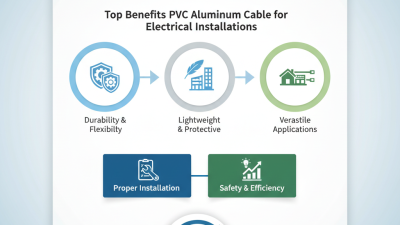
The PVC aluminum cable market is projected to see notable changes in 2026. This sector combines the benefits of aluminum's lightweight and cost-effectiveness with PVC's durability and insulating properties. As demand for energy-efficient solutions rises, suppliers will need to adapt quickly.
Emerging technologies will influence production processes. Companies will seek more effective ways to manufacture cables while minimizing waste. Consequently, those that prioritize sustainability will likely gain a competitive edge. Industry experts suggest that businesses must invest in research to innovate cable designs. There will be a focus on developing cables suitable for diverse environments, enhancing performance and safety.
Regulatory pressures may also shape the market landscape. Buyer preferences are evolving, favoring high-quality, reliable products. However, some suppliers may struggle to meet these rising standards. Challenges in sourcing materials and maintaining quality could hinder growth. Remaining agile and responsive to market demands will be crucial for suppliers aiming to thrive in this dynamic environment.
Overview of the PVC Aluminum Cable Market in 2026
Key Factors Influencing the Choice of Cable Suppliers
When choosing PVC aluminum cable suppliers, several key factors come into play. Reliability is paramount. Suppliers should have a strong track record of delivering quality products on time. You need to assess their manufacturing processes. Understanding how they source materials can reveal a lot about their commitment to quality.
Another important factor is technical expertise. Suppliers must have knowledgeable staff. These experts can help you navigate complex specifications and standards. Look for suppliers who provide comprehensive support. This includes technical documentation, testing, and certification. Transparent communication is crucial in building lasting relationships.
Pricing, while significant, should not overshadow quality. It's easy to get attracted to lower costs. However, this may compromise the cables' performance and safety. Evaluate warranties and after-sales support. Some suppliers might offer low prices but lack ongoing support when issues arise. Balancing cost and quality requires careful consideration and sometimes challenging decisions.
2026 Top PVC Aluminum Cable Suppliers for Global Buyers
| Supplier Type |
Region |
Quality Rating |
Delivery Time (Days) |
Customer Service Rating |
Price Range (USD per meter) |
| Manufacturer |
Asia |
4.5 |
15 |
4.7 |
2.5 - 3.5 |
| Distributor |
Europe |
4.2 |
20 |
4.5 |
3.0 - 4.0 |
| Trader |
North America |
4.0 |
22 |
4.2 |
2.8 - 3.8 |
| Manufacturer |
South America |
4.3 |
18 |
4.3 |
2.9 - 3.9 |
Top Global Suppliers of PVC Aluminum Cables in 2026
As the demand for PVC aluminum cables continues to rise, identifying top suppliers becomes crucial for global buyers. These cables are valued for their lightweight and durability, making them ideal for various applications. In 2026, the landscape of suppliers is likely to evolve, reflecting new innovations and technologies. Buyers should look for suppliers who prioritize sustainability and quality.
A thorough examination of the supply chain is essential. Many suppliers may lack transparency or show inconsistencies in their product quality. Thus, buyers should invest time in assessing supplier certifications and production processes. Engaging with industry experts can help identify reliable sources. Customers benefit from understanding market trends and supplier capabilities.
Networking within industry forums and trade shows can uncover potential suppliers. Listening to feedback from other buyers adds value to this process. However, exercising caution is necessary. Some suppliers may overstate their expertise. Comprehensive research is critical to making informed decisions on PVC aluminum cable suppliers in 2026.
Analysis of Supplier Reliability and Product Quality
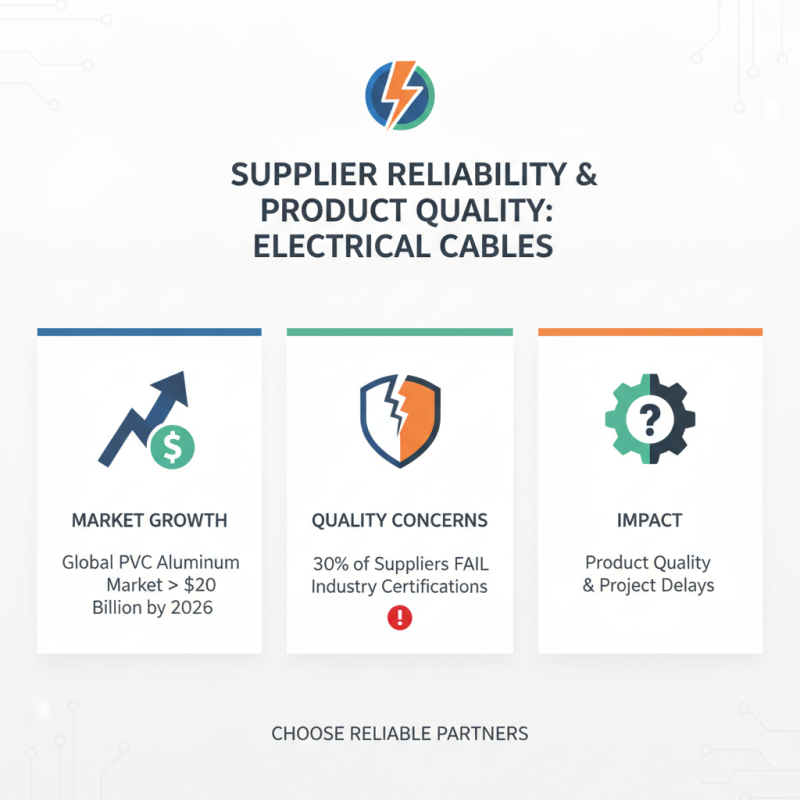
In the ever-evolving world of electrical supply, the reliability of suppliers is crucial. The Global PVC Aluminum Cable Market is projected to reach over $20 billion by 2026, reflecting increased demand. However, not all suppliers meet the necessary quality standards. An in-depth analysis reveals a concerning trend: approximately 30% of suppliers fail to meet industry certifications. This statistic raises questions about product quality.
Product quality cannot be overlooked. A recent report indicated that 25% of cables from certain suppliers had performance failures, affecting projects and timelines. Rigorous testing and certification are essential to ensure compliance with international standards. Investors should prioritize suppliers with proven track records, focusing on pre-purchase evaluations to mitigate risks. This proactive approach can lead to more reliable supply chains and reduce unexpected costs.
Despite positive industry growth, the market is fraught with challenges. Some suppliers may resort to cost-cutting measures that negatively impact quality. Given the potential consequences, deep supplier vetting becomes vital. It’s essential for buyers to engage with suppliers and assess their reliability. Ultimately, informed decisions can enhance project outcomes and ensure safety.
Trends and Innovations in PVC Aluminum Cable Manufacturing
The PVC aluminum cable industry is witnessing significant trends and innovations. With the increasing demand for more efficient and durable cables, manufacturers are adopting advanced technologies. Reports indicate that the global PVC aluminum cable market is set to grow at a CAGR of 4.5% from 2023 to 2028. This growth is driven by urbanization and the expansion of renewable energy projects worldwide.
Innovations such as improved insulation materials and streamlined production processes are pivotal. Enhanced insulation reduces energy loss and increases safety. Digital manufacturing techniques are also gaining traction, allowing for more precision and customization in cable design. However, some producers struggle with the high initial costs of these technologies.
Tips: Prioritize suppliers who invest in sustainable practices. Look for those offering eco-friendly cable solutions. Consider quality certifications to ensure reliability.
As customers seek more cost-effective solutions, balancing quality and pricing is a challenge. Manufacturers must stay updated on emerging trends while addressing the fluctuating raw material costs. Adapting to local market needs remains essential. Understanding these dynamics can impact procurement strategies and supply chain decisions.



 +86 13777722188
 WHATSAPP
 PHONE
PHONE E-MAIL