2026 Best Shielded Cable Options for Global Buyers?
In the ever-evolving landscape of technology, the demand for Shielded Cable solutions continues to surge. According to a recent market report by Grand View Research, the global shielded cable market is expected to grow at a CAGR of 6.1% from 2021 to 2028. This growth is largely driven by the need for efficient data transmission in industrial and telecommunications sectors.
Experts emphasize the importance of high-quality shielded cables in minimizing electromagnetic interference. John Smith, a renowned electrical engineer, states, "Investing in the right shielded cable technology is crucial for maintaining signal integrity." This highlights that buyers must carefully evaluate their options, considering factors like material quality and application requirements.
While the choices in shielded cables are numerous, not all meet the rigorous standards. Global buyers should be aware of the challenges in identifying reliable products. Navigating these options requires a keen understanding of specifications and use cases. Recognizing this complexity is essential for making informed decisions in 2026 and beyond.
Types of Shielded Cables Available for Global Markets
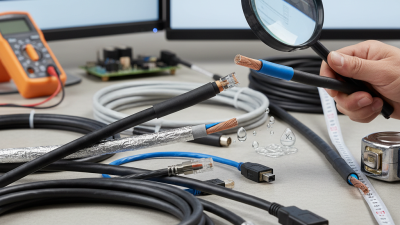
Shielded cables are essential for numerous applications across global markets. These cables come in various types, each tailored to specific needs. Foil shielded cables offer a lightweight option for environments where flexibility is crucial. They can be effective against electromagnetic interference but may lack strength in high-stress scenarios.
Braided shielded cables, on the other hand, provide superior durability. The braided construction makes them more robust against physical wear. These cables are commonly used in industrial settings where abrasion and mechanical stress are prevalent. Understanding the pros and cons of each type can guide buyers toward the best choice.
Despite advancements, some shielded cables still face limitations. For instance, they might not completely eliminate interference in certain high-frequency applications. Choosing the right cable requires evaluating the environment and specific use case. It’s important to consider installation conditions and overall performance for optimal results.
Key Factors to Consider When Choosing Shielded Cables
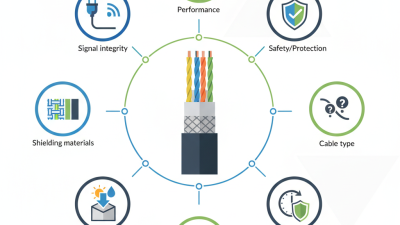
When selecting shielded cables, buyers should prioritize several key factors. Understanding the type of shielding is crucial. Foil shielding can offer better coverage, while braided shielding provides superior durability. Each option has strengths and weaknesses, making it essential to assess the specific needs of each application. Review your operational environment and choose the appropriate shielding type accordingly.
Next, consider the cable's material composition. Copper conductors are common for their conductivity. However, aluminum can be lighter and cheaper, depending on the project requirements. Pay attention to the insulation as well. Higher-quality insulation can prevent signal loss and ensure durability. Evaluate the temperature rating and flexibility based on installation conditions.
Additionally, the cable's length and specifications should match your project needs. A longer cable might face signal degradation without proper shielding. It is also important to check certifications and compliance with industry standards. This can guarantee reliability in various applications. Seek advice from professionals if unsure of your choices. Even experienced users may overlook critical details in their selections, leading to potential issues later on.
Top Manufacturers of Quality Shielded Cables in 2026
When it comes to shielded cables, choosing the right manufacturer is crucial. Companies focus on producing high-quality cables that ensure minimal signal interference. In 2026, buyers look for reliable options that guarantee durability and performance. The market features various manufacturers known for their precision and expertise in cable design.
Manufacturers often employ advanced materials and technology in their production processes. This includes high-grade shielding materials that improve electromagnetic compatibility. It’s essential to prioritize suppliers that conduct rigorous testing. Buyers should examine certifications to ensure that the products meet industry standards.
Finding the best options requires research. Reading customer reviews can provide insights into a manufacturer's reputation. Gather recommendations from professionals in the field. While many manufacturers promise quality, not all live up to expectations. Investing time in proper evaluation can lead to better decisions in the long run.
2026 Best Shielded Cable Options for Global Buyers
Applications and Industries Benefiting from Shielded Cables
Shielded cables play a crucial role in industries where signal integrity is paramount. They are essential in environments with high electromagnetic interference (EMI). This includes sectors such as telecommunications, aerospace, and medical equipment. In these fields, data loss can lead to significant issues. Shielded cables help prevent such problems by blocking external noise.
Manufacturing plants also benefit from shielded cables. Machinery often generates electrical noise that can disrupt signal quality. By using shielded options, factories maintain equipment reliability and performance. This enhancement can lead to better production quality and reduced downtime. However, it is vital to choose the right type based on specific needs.
The use of shielded cables in renewable energy systems is growing. As these systems become more complex, the need for reliable data transmission increases. Harnessing power from wind or solar requires constant monitoring. Shielded cables ensure that communication remains accurate. While the advantages are clear, selecting the optimal cable may require technical expertise. Careful consideration of the environment and application is necessary to maximize performance.
2026 Best Shielded Cable Options for Global Buyers
| Cable Type |
Shielding Type |
Applications |
Industries |
Environmental Ratings |
| Twisted Pair Cable |
Foil Shield |
Data Transmission |
Telecommunications |
CL2, CL3 |
| Coaxial Cable |
Braided Shield |
Video and Audio |
Broadcasting |
UL Type CL2 and CL3 |
| Copper Shielded Cable |
Overall Shield |
Power & Control |
Manufacturing |
IP67 |
| Fiber Optic Cable |
Tight Buffered |
High-Speed Data |
Networking |
LSZH |
| Aluminum Shielded Cable |
Aluminum Foil |
Signal & Data |
Industrial Automation |
CSA |
Comparative Analysis of Cost and Performance of Shielded Cable Options
When selecting shielded cables, cost and performance are critical factors for global buyers. A recent industry report indicated that the market for shielded cables is projected to grow by 6.4% annually through 2026. This growth is fueled by the demand for reliable data transmission in various sectors, including telecommunications and manufacturing. Generally, the cost of shielded cables varies depending on materials and configurations. High-performance options often use materials like copper or aluminum for better signal integrity, but at a higher cost.
It's essential to conduct a comparative analysis to determine the best option for specific applications. Some cables may provide excellent shielding effectiveness but come with a hefty price tag. For instance, a cable that passes a certain shielding effectiveness rating might not align with budget constraints. Buyers should weigh performance ratings against project budgets. In some cases, investing a bit more upfront can lead to significant savings in reduced downtime and maintenance.
Pay attention to installation and environmental conditions, as they impact performance. Cables exposed to harsh conditions may need additional protective features. Lastly, consider long-term performance needs and potential future applications of the cables to avoid short-term solutions that could lead to higher costs down the line. Evaluating these factors will help ensure the selection of the most effective shielded cable for specific needs.



 +86 13777722188
 WHATSAPP
 PHONE
PHONE E-MAIL