How to Choose the Best Concentric Aluminum Cable for Your Needs?
Choosing the right Concentric Aluminum Cable can be challenging. This cable type is known for its excellent conductivity and lightweight design. However, many options exist that can confuse buyers. Understanding your specific needs is crucial to making an informed decision.
When selecting a Concentric Aluminum Cable, consider its application. Different projects require varying specifications. Think about the environment where the cable will be used. Factors like temperature and moisture can impact performance. Experience shows that cables suited for harsh conditions last longer.
Additionally, research is essential. Seek advice from industry professionals. They can provide insights based on experience and expertise. Always check manufacturer specifications. A trusted supplier can ensure reliability and quality. Keep in mind, the best choice varies for everyone. Reflect on your unique requirements to find the right solution.
Understanding Concentric Aluminum Cable Types and Their Applications
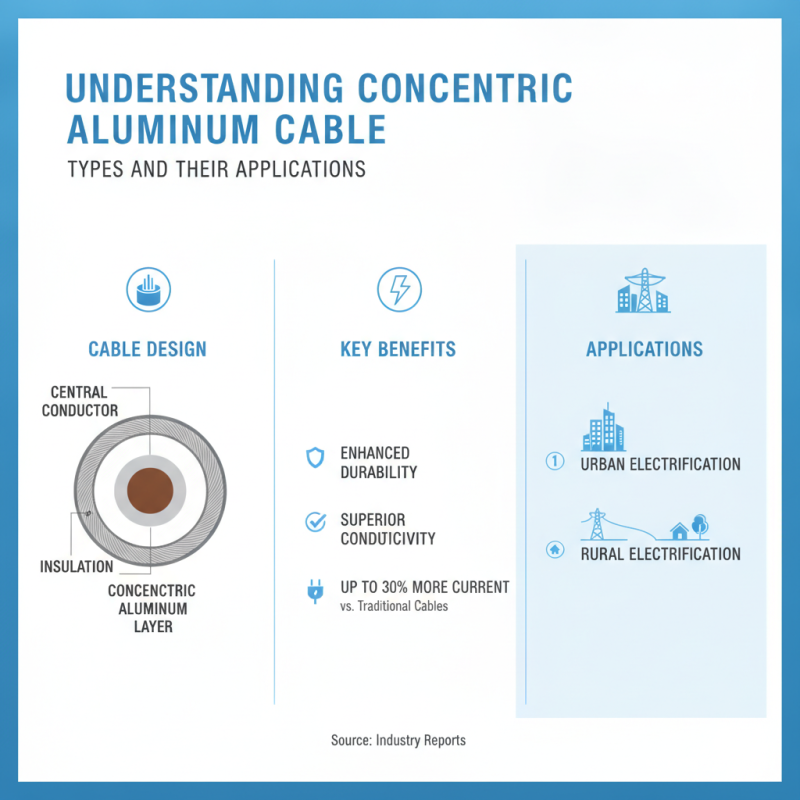
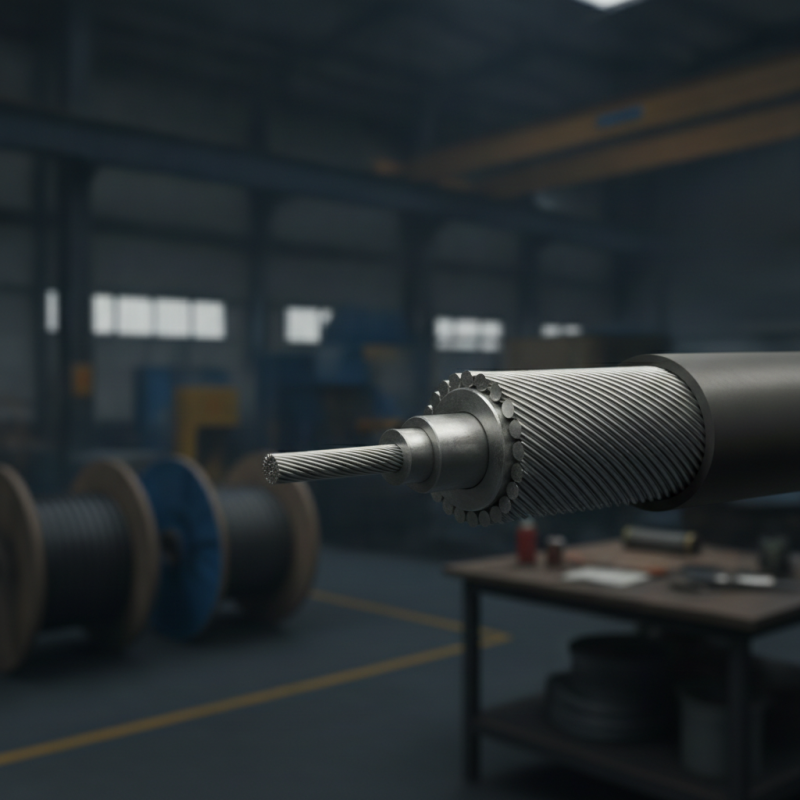
When selecting the right concentric aluminum cable, understanding the various types and their applications is crucial. Concentric cables are designed with a central conductor surrounded by a concentric layer of aluminum. This design enhances durability and conductivity. According to industry reports, concentric cables can offer up to 30% more current-carrying capacity compared to traditional cable types. This increased efficiency makes them suitable for both urban and rural electrification projects.
Different concentric aluminum cables serve various purposes. For example, some are used in underground installations, while others are suited for overhead transmission. The choice between these options can affect installation costs and long-term performance. Studies indicate that using the wrong type of cable can lead to significant failures, costing companies up to $500,000 in repairs and lost productivity. These insights emphasize the importance of choosing the right cable type based on specific project needs.
Environmental conditions also play a role in cable selection. Factors such as temperature fluctuations and soil conductivity can impact cable lifespan. Research shows that aluminum cables have a better resistance to corrosion in certain areas compared to copper. However, they also require careful handling during installation to avoid physical damage. Balancing quality, performance, and installation practices is key to ensuring reliability. Making informed decisions based on these criteria can significantly enhance project outcomes.
Key Factors to Consider When Selecting Concentric Aluminum Cable
When selecting concentric aluminum cable, there are several key factors to consider. Understanding the specific requirements of your project is crucial. The type of installation, load demands, and environmental conditions will affect your choice of cable. Pay attention to the cable’s specifications, such as current rating and conductor size, as they determine the cable's capacity and performance.
Tips: Always assess the installation environment. Cables used outdoors need to be resistant to moisture and UV light. For underground installations, ensure the cable has adequate insulation to handle soil conditions.
Another important aspect is the cable's flexibility and ease of installation. Some cables are stiffer and harder to work with, which could lead to challenges during installation and longer project times. Evaluate whether the cable meets your handling needs.
Tips: Consult with professionals when in doubt. Their expertise can guide you in making the right choice. Don't overlook installation costs and long-term maintenance. These factors can significantly impact your overall project budget.
Evaluating Wire Size and Voltage Requirements for Your Project
Choosing the right concentric aluminum cable can be tricky. Wire size and voltage requirements play a significant role in your selection. A common mistake is underestimating the voltage needs of your project. Oversized wire can be wasteful. It might be more cumbersome than necessary. On the other hand, undersizing can lead to overheating and potential failures.
Understanding wire size is crucial. The American Wire Gauge (AWG) system helps determine the right gauge for your project. Thicker wires can handle more current but can be expensive. For lower voltage applications, a smaller size may suffice. However, be cautious: going too small can result in voltage drop issues. This affects performance.
Voltage requirements vary by application. Analyzing how much voltage your project needs helps in selecting the appropriate cable. Make sure to consider factors like distance and load. Assessing these factors early prevents costly adjustments later. Choosing wisely based on these criteria can lead to better efficiency. Being thorough in your research minimizes the risk of complications down the road.
How to Choose the Best Concentric Aluminum Cable for Your Needs?
| Wire Size (AWG) |
Voltage Rating (V) |
Current Capacity (A) |
Application |
| 6 AWG |
600 V |
55 A |
Residential Wiring |
| 4 AWG |
600 V |
70 A |
Commercial Use |
| 2 AWG |
600 V |
95 A |
Industrial Applications |
| 1/0 AWG |
600 V |
125 A |
Solar Installations |
| 2/0 AWG |
600 V |
150 A |
Backup Generators |
Assessing Environmental Conditions for Optimal Cable Performance
When selecting concentric aluminum cables, it's essential to assess the environmental conditions where they will be installed. Factors like temperature, humidity, and exposure to chemicals can greatly impact cable performance. High temperatures can lead to significant expansion, while extreme cold may cause contraction. Choosing a cable that can withstand these variations is crucial for longevity and reliability.
Tips: Always check the cable's temperature rating. Consider the location of installation. If it's exposed to moisture, opt for cables designed for wet conditions.
Another aspect to consider is the presence of potential corrosive substances. In industrial settings, chemicals can deteriorate cable insulation. Even in residential areas, exposure to saltwater or harsh cleaning agents can pose risks. Ensuring the cable is rated for such environments helps avoid costly failures.
Tips: Evaluate the environment thoroughly. Look for signs of wear or corrosion on existing equipment. Regular assessments can prevent unexpected outages.
Lastly, think about mechanical stresses. Installation in high-traffic areas may require cables with added protection. Also, cables under frequent movement need to be flexible and resilient. Installing the right cable reduces downtime and enhances safety.
Tips: Choose cables with robust sheathing. Pay attention to cable routing to minimize stress points. Regular inspections can lead to timely replacements.
Performance of Concentric Aluminum Cables Under Different Environmental Conditions
This bar chart displays the performance rating of concentric aluminum cables under various environmental conditions. Each condition is assessed for its impact on cable performance, with ratings indicating how well the cables are expected to function.
Cost Considerations and Supplier Reliability for Cable Purchase
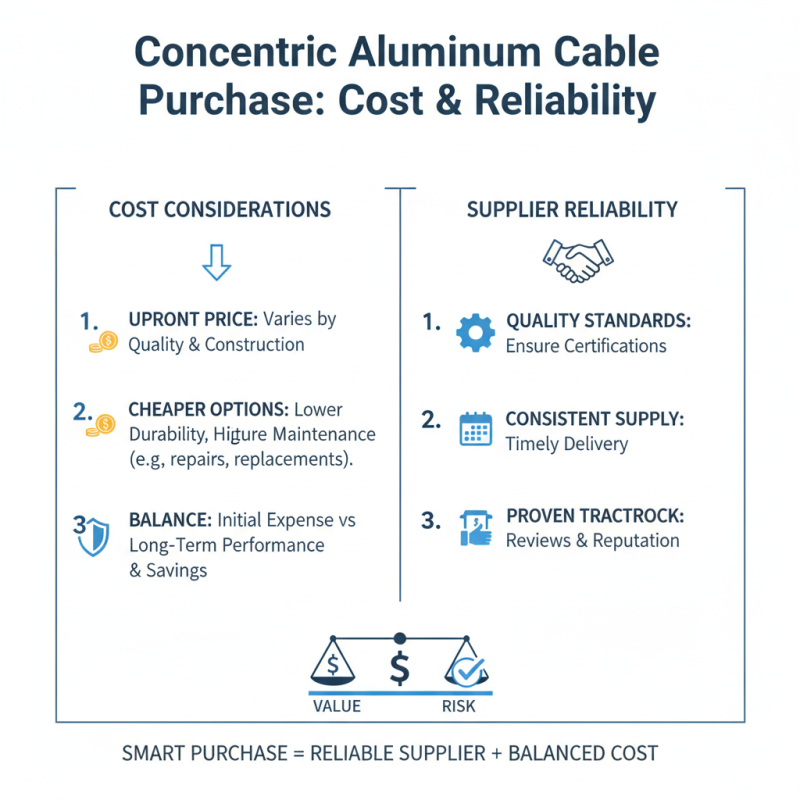
When considering concentric aluminum cable purchases, cost is a primary factor. Prices can vary widely based on quality and construction standards. Though inexpensive options may arise, they often compromise durability. For example, lower-quality cables may lead to increased maintenance costs over time. It's crucial to balance upfront expenses with long-term performance needs.
Supplier reliability is equally important. A dependable supplier should provide certifications and clear specifications. Look for companies with strong customer service histories and positive client testimonials. If a supplier hesitates to share this information, it raises red flags. Verify their reputation through online reviews and industry directories. Always assess their return and warranty policies to protect your investment.
While researching, it's easy to overlook small details. Neglecting to ask about installation support can lead to unexpected challenges. Additionally, ensure that the cable meets your specific application requirements. Taking the time to ask detailed questions can prevent costly mistakes later. Reflecting on supplier experiences can provide insights into better decision-making in the future.



 +86 13777722188
 WHATSAPP
 PHONE
PHONE E-MAIL