2026 How to Choose the Right Armoured Electrical Cable?
Choosing the right Armoured Electrical Cable can be challenging. It plays a critical role in protecting electrical circuits. Factors like the environment and purpose matter greatly. Often, people overlook these details, leading to improper choices.
When selecting an Armoured Electrical Cable, consider the installation site. Is it exposed to harsh weather or physical damage? Understanding these conditions is crucial. Many users fall into the trap of choosing based only on price. However, this can lead to unexpected costs later.
Quality and compliance with standards are vital. Not all armoured cables are the same. Seek advice from experts or manufacturers who understand the specifics. A wrong selection may cause safety hazards or system failures. Being informed ensures reliable performance and long-term durability. Reflecting on these nuances can pave the way for better decisions.
Understanding Armoured Electrical Cables: Definition and Types
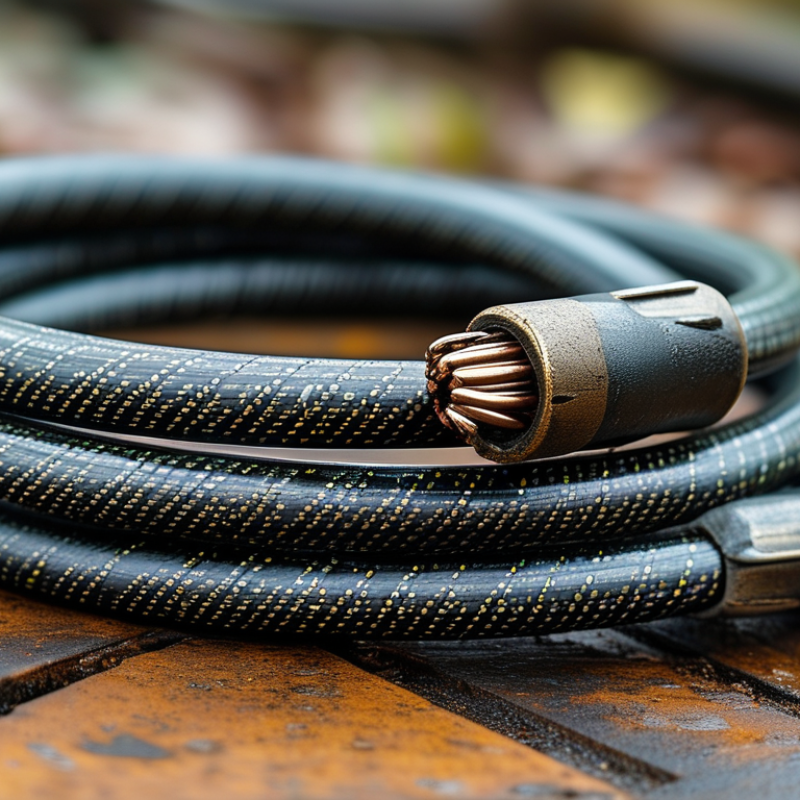
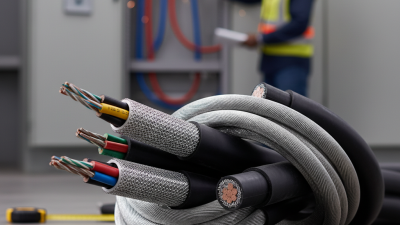
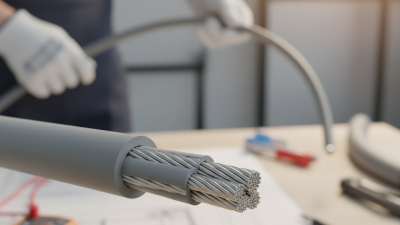
Armoured electrical cables are crucial for protecting electrical systems in demanding environments. They consist of a tough outer layer, often made of steel or aluminum, which shields the inner conductors from physical damage and environmental factors. Understanding the types of armoured cables is essential for making informed decisions in installations.
There are mainly two types: steel wire armoured (SWA) and aluminum wire armoured (AWA) cables. SWA is more prevalent in underground power distribution due to its robustness. According to industry reports, over 70% of commercial installations utilize SWA for its mechanical strength. AWA, while lighter and more flexible, is typically used in less demanding applications.
It's important to consider installation conditions when selecting the type. For instance, SWA can withstand high loads and harsh weather. However, it is often heavier and more challenging to work with. In contrast, AWA offers better flexibility but lacks the same level of protection. Choosing the right cable requires careful assessment of environmental factors and installation requirements, and one must reflect on the long-term implications of their choice.
Key Factors to Consider When Choosing Armoured Electrical Cables
When selecting armoured electrical cables, it is crucial to assess several key factors. First, consider the environment where the cables will be installed. For instance, underground installations must withstand moisture and chemical exposure. A study by the International Cablemakers Federation indicates that 30% of cable failures occur due to environmental factors.
Next, understand the cable specifications. This includes the type of armouring, which can vary between steel and aluminum constructions. Steel offers higher mechanical protection and is suited for areas with physical stress. Aluminum, while lighter, may not provide the same level of durability. Research has shown that selecting the wrong armouring type can lead to significant operational costs and downtime.
Finally, evaluate the electrical and thermal properties of the cables. The conductor size and insulation type heavily influence performance. Reports reveal that improperly sized cables can lead to overheating and system failures. Accurate calculations of load requirements are essential for preventing these issues. Thus, take time to analyze these elements for a better long-term investment. Consider consulting with experts to ensure the choice aligns with safety and regulatory standards.
2026 How to Choose the Right Armoured Electrical Cable?
This chart shows the key factors to consider when choosing armoured electrical cables, along with their importance ratings on a scale of 1 to 10. Factors include Durability, Flexibility, Installation Ease, Cost, and Environmental Resistance.
Comparing Materials: Steel vs. Aluminum in Armoured Cables
When considering armoured electrical cables, the choice between steel and aluminum is crucial. Steel offers higher tensile strength. This makes it ideal for harsh conditions. Studies show that steel armoured cables can withstand more impact and corrosion compared to their aluminum counterparts. A report by the Institute of Electrical and Electronics Engineers (IEEE) indicates that steel cables last significantly longer in abrasive environments.
Aluminum, however, has its advantages. It is lighter and more cost-effective. Many installations benefit from the reduced weight of aluminum cables, especially in overhead applications. A report from the National Electrical Manufacturers Association (NEMA) highlights that aluminum armoured cables can be up to 30% cheaper than steel varieties. Yet, while their affordability is attractive, aluminum’s lower strength can be a limitation.
Choosing the right material depends on specific application needs. Steel might be better for industrial sites with heavy machinery. Aluminum could be more suitable for residential or light commercial settings. However, the balance of performance and cost must be carefully assessed. Each material has strengths and weaknesses that require thoughtful evaluation.
2026 How to Choose the Right Armoured Electrical Cable? - Comparing Materials: Steel vs. Aluminum in Armoured Cables
| Material |
Pros |
Cons |
Typical Uses |
Price Range (per meter) |
| Steel |
High strength, excellent durability |
Heavier, more expensive |
Construction, industrial environments |
$3 - $5 |
| Aluminum |
Lightweight, cost-effective |
Less durable, prone to corrosion |
Residential, indoor wiring |
$1 - $3 |
| Copper |
Excellent conductivity, flexible |
Most expensive, heavy |
High-performance electrical applications |
$4 - $10 |
Assessing Environmental Conditions for Cable Selection
Choosing the right armoured electrical cable requires careful consideration of environmental conditions. Every installation site presents unique challenges. Factors such as moisture, temperature, and physical stress can affect cable performance. Understanding these elements is crucial for a successful selection.
For instance, if cables are to be installed in a damp area, consider selecting a cable with increased moisture resistance. Properties of the surrounding soil can also play a role. Soil acidity and temperature fluctuations can shorten a cable's lifespan.
**Tips:** Always assess the installation area before making a decision. Consider conducting tests on soil and environmental conditions. Remember, poor conditions might require higher-spec cables. Think twice about cutting costs if conditions are harsh. Your initial investment will pay off in the long run.
Reflect on the environment's long-term impact on your cables. Evaluating factors like UV exposure is essential. A durable cable can handle minor environmental stresses, but neglecting this aspect could lead to premature failures. Prioritize reliable sources of information for better decision-making.
Installation and Maintenance Tips for Armoured Electrical Cables
When installing armoured electrical cables, safety and longevity are paramount. Proper installation starts with selecting the right location. Ensure the area is dry and free from moisture. Inspect the cable for any visible damage before installation. This initial step can prevent future issues.
Tips: Always use gloves when handling cables. This minimizes contamination. If installing underground, consider the depth carefully. Cables should typically be buried at a minimum of 18 inches. This helps protect them from environmental factors.
Regular maintenance is essential for armoured cables. Inspect connections periodically. Look for signs of wear or rust. If there is any damage, it’s crucial to address it promptly. A proactive approach can extend the life of the installation. Keep in mind that even minor wear can lead to bigger problems later on.



 +86 13777722188
 WHATSAPP
 PHONE
PHONE E-MAIL