How to Choose the Right Abc Cable for Your Business Needs?
Choosing the right Abc Cable for your business needs can significantly impact performance and efficiency. According to a report by Market Research Future, the global Abc Cable market is expected to grow at a CAGR of over 7% from 2023 to 2030. This growth indicates a rising demand for reliable and efficient cabling solutions across various sectors.
Industry expert Dr. John Richardson emphasizes the importance of careful selection: "The right Abc Cable can reduce energy loss and enhance overall system reliability." Businesses must consider factors like voltage rating, environmental conditions, and installation requirements. These aspects can directly affect the long-term success of electrical systems.
However, not every Abc Cable fits all scenarios. Choosing the wrong type could lead to inefficiencies and higher costs. It's essential to consult with specialists and conduct thorough research. Often, businesses overlook these critical steps. Investing the time to understand your specific needs is crucial for optimal performance.
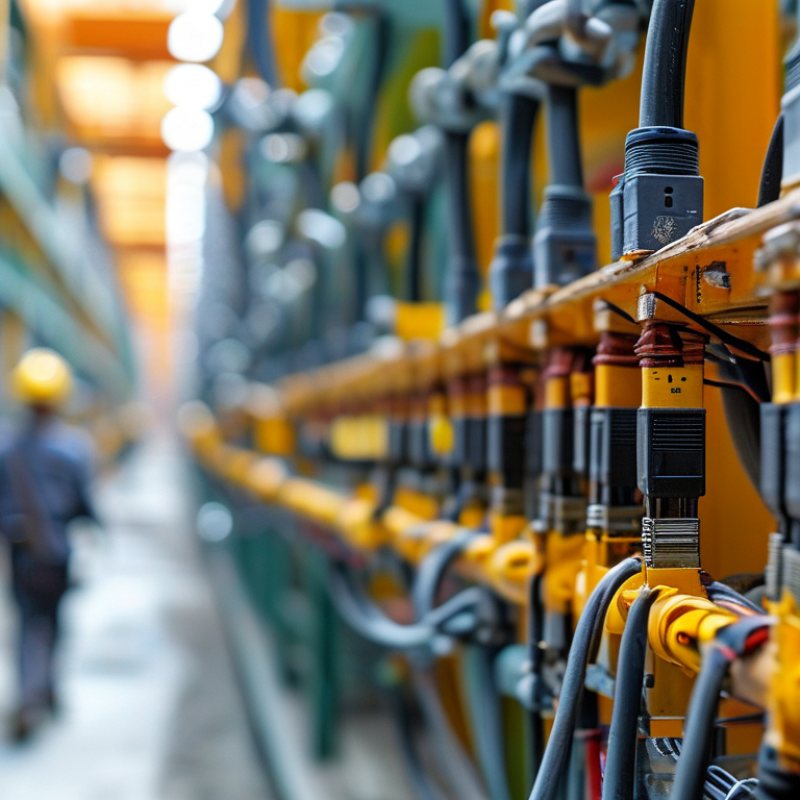
Understanding the Different Types of ABC Cables Available in the Market
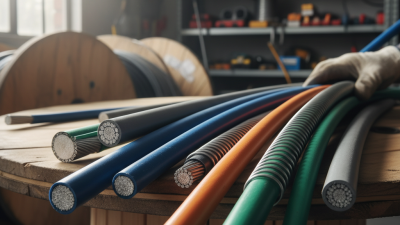
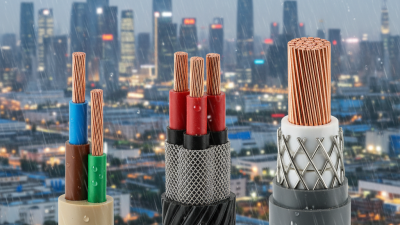
When selecting an ABC cable, it's crucial to understand the different types available in the market. Aerial bundled cables, or ABC cables, come in various configurations. Each type serves specific needs based on environmental factors and installation requirements. Some are designed for urban use, while others suit rural applications better.
Consider the insulation material when choosing an ABC cable. Polyethylene and cross-linked polyethylene are common options. Both offer unique advantages, such as durability and resistance to UV rays. You might find that certain cables are better for areas with extreme weather conditions. Always check their impact resistance and temperature ratings before making decisions.
Evaluating the cable length and conductor size is equally important. Depending on your project, you may need longer cables to reach distant installations. Ensure compliance with local regulations concerning installation practices. It can be easy to overlook these factors, but they significantly affect performance and safety. Know your needs, and don’t hesitate to consult experts for guidance.
How to Choose the Right Abc Cable for Your Business Needs?
| Type of ABC Cable |
Application |
Voltage Rating (kV) |
Conductor Material |
Insulation Type |
Typical Use |
| Aerial Bundled Cable (ABC) 1 |
Residential Areas |
0.6/1 kV |
Aluminum |
XLPE |
Street lighting and power distribution |
| Aerial Bundled Cable (ABC) 2 |
Commercial Buildings |
1/1.2 kV |
Copper |
PVC |
Secondary distribution networks |
| Aerial Bundled Cable (ABC) 3 |
Rural Electrification |
1.9/3 kV |
Aluminum |
Cross-linked PE |
Power distribution in rural areas |
| Aerial Bundled Cable (ABC) 4 |
Industrial Power Supply |
3.6/6 kV |
Copper |
XLPE |
Heavy-duty applications and industrial sites |
Assessing Your Business Power Requirements Before Making a Choice
Assessing your business power requirements is vital when selecting the right ABC cable. Many organizations underestimate their energy needs, leading to inefficient setups. According to the International Energy Agency, businesses can waste up to 30% of their energy due to improper installations. Understanding your specific power demands can prevent this.
Start by evaluating your existing equipment. Calculate the total wattage needed for your operational machinery. The average small to medium-sized business requires between 5 to 20 kWh of power per day. Using this data, you can determine the appropriate cable rating. It’s critical to consider peak energy hours as well. Some businesses face electricity price hikes during peak times.
Keep in mind that excessive cable lengths can result in voltage drop. This can affect the performance of your equipment. An industry study suggests a drop as little as 3% can lead to failures in sensitive devices. Regularly reviewing your energy needs can ensure you stay effective and competitive.
Power Requirements Assessment for ABC Cables
This chart illustrates the estimated power requirements (in kilowatts) for various business types when selecting the appropriate ABC cable for their electrical needs.
Evaluating Environmental Factors for ABC Cable Selection
When selecting an Aerial Bundled Cable (ABC) for your business, understanding the environmental factors is crucial. ABC cables are increasingly adopted in various regions due to their resilience against weather impacts. For instance, a recent report indicates that areas with high wind speeds benefit from using ABC installations. These cables can sustain winds exceeding 120 km/h, thus reducing the risk of outages and maintenance costs.
Temperature is another significant factor. ABC cables are designed to perform well in diverse climates. According to industry data, cables can operate efficiently in temperatures ranging from -40°C to 90°C. However, heat can affect performance. If not properly managed, high temperatures may reduce insulation effectiveness. This makes temperature monitoring necessary, particularly in warmer regions.
Soil conditions also influence ABC cable selection. Cables should be adaptable to varied soil types. Studies show certain soils exacerbate corrosion risks. Installing a protective layer can help but adds to costs. Evaluating these aspects ensures the selected ABC cable meets operational needs while balancing durability and budget constraints. When factors like weather, temperature, and environment are accurately assessed, businesses can avoid costly mistakes, ensuring long-term performance and reliability.
Analyzing Cost-Effectiveness and Budget Considerations for ABC Cables
When analyzing the cost-effectiveness of ABC cables, businesses must consider various factors. The initial purchase price may be tempting, but long-term expenses are crucial. Installation costs, maintenance, and energy efficiency contribute significantly to the overall financial picture. It's wise to evaluate how often the cables will need replacement. A seemingly cheaper option may lead to more frequent maintenance, ultimately increasing costs.
Selecting the right ABC cable involves understanding budget constraints. Planning for future expenses can prevent unexpected financial strain. Investing in higher-quality materials may seem expensive at first, but it often pays off in durability. For example, cables with a longer lifespan reduce the need for replacements and repairs. Businesses should also factor in their specific operational needs. Some applications may require specialized features that could alter budget priorities.
Reflecting on these aspects reveals the importance of informed decision-making. Rushing into a choice can lead to regrets. Companies should engage with experts in the field for tailored advice. Prioritizing reliable suppliers can ensure quality and sustain long-term value. Choosing the right ABC cable is more than a transaction; it's a strategic investment in the future.
Choosing the Right Supplier for Your ABC Cable Needs
Choosing the right supplier for your ABC cable needs requires careful consideration. Start by evaluating their experience in the industry. A supplier with years of expertise can often provide valuable insights. Look for feedback from other clients. Reliable suppliers usually display testimonials or case studies on their websites. This can offer a glimpse into their service and product quality.
Another crucial aspect is their range of products. A good supplier should offer various ABC cable options. This flexibility helps meet specific business requirements. Consider the customization options they provide as well. Tailored solutions can save costs and enhance efficiency. Don’t hesitate to ask about their manufacturing process. Understanding how products are made can indicate their reliability.
It’s important to assess the supplier’s customer support. Good communication is key when issues arise. A responsive team can ease the process of purchasing and addressing problems. Additionally, ask about warranties or guarantees. These can be a sign of confidence in their products. Remember, not every supplier will meet all expectations, so take your time to find the right fit.



 +86 13777722188
 WHATSAPP
 PHONE
PHONE E-MAIL