How to Choose the Right Aluminum Cable for Your Needs?
In the world of electrical infrastructure, selecting the right aluminum cable is critical. As John Smith, a renowned expert in wiring solutions, puts it, “Choosing the correct aluminum cable can make all the difference in efficiency and safety.” This underscores the importance of understanding your specific needs when sourcing aluminum cables.
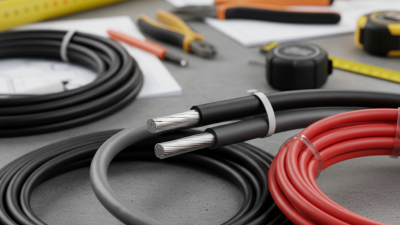
Aluminum cables are lightweight yet durable, making them ideal for a range of applications. They conduct electricity efficiently, making them popular in both residential and industrial settings. Many overlook the unique properties of aluminum, such as its corrosion resistance and cost-effectiveness. However, not every aluminum cable is suitable for every task; it’s essential to consider factors like conductor size and ambient temperatures.
The decision-making process can feel overwhelming. There are various types and specifications to evaluate. Users often regret not researching thoroughly before a purchase. A well-informed choice today can lead to long-term benefits. Therefore, understanding the nuances behind different aluminum cables can enhance performance and longevity in your projects.

Understanding Aluminum Cable Specifications and Standards
When selecting aluminum cables, it is essential to understand their specifications and standards. Aluminum cables differ significantly from copper cables in several ways. They are generally lighter and often more cost-effective. However, they also have a higher resistance level, which can affect performance. When evaluating aluminum cable, focus on parameters such as wire gauge, current rating, and voltage drop. These details help you assess how effectively the cable will function for your specific needs.
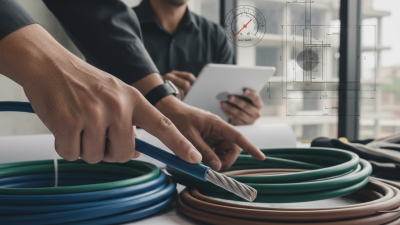
Another vital aspect is the standards governing aluminum cables. Familiarize yourself with industry standards like the National Electrical Code (NEC) and Underwriters Laboratories (UL) specifications. These standards ensure safety and reliability in various applications, from residential wiring to industrial setups. It's crucial to verify that the cable meets these standards, as non-compliance can lead to serious risks. The choice of insulation type is also important. Different environments may require specific insulation to protect against moisture, heat, or chemicals.
Choosing the right aluminum cable involves understanding these specifications. It requires careful consideration of the specific applications and conditions. In many cases, individuals may overlook critical factors like ampacity or voltage ratings. Such oversights can result in inefficient operations or even hazards. Therefore, research and a clear understanding of aluminum cable standards are key to making informed decisions.
Identifying the Right Aluminum Cable Conductor Size for Your Project
Choosing the right aluminum cable conductor size is crucial for any electrical project. The right size ensures safety and efficiency. It minimizes energy loss and reduces the risk of overheating. Consider the ampacity requirements for your specific application. Ampacity refers to the maximum current a conductor can carry while staying within safe temperature limits.
When selecting the conductor size, it’s vital to assess the load requirements. Calculate the total wattage of all devices to be powered. This will give you an idea of the necessary amperage. For instance, a 20-amp circuit typically needs a minimum of 12 AWG aluminum wire.
Tips:
- Always consult local electrical codes. They provide guidelines on wire sizes based on the type of installation.
- Don’t overlook the length of the cable run. Longer runs may require upsizing to account for voltage drop.
- Lastly, use an ampacity chart as a reference tool. Accuracy here can save time and ensure a safer installation.
Evaluating the Environmental Conditions for Aluminum Cable Usage
When evaluating the environmental conditions for aluminum cable usage, several factors come into play. Aluminum cables are known for their lightweight nature and resistance to corrosion, making them suitable for various environments. However, exposure to elements such as moisture, heat, and chemicals can affect their performance.
Consider humidity levels. Excessive moisture can lead to corrosion over time. Storing aluminum cables in a dry place is crucial. If your application involves wet conditions, protective coatings can enhance durability.
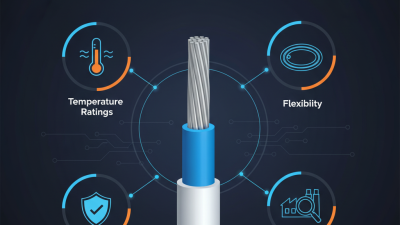
Temperature is another critical factor. High temperatures can degrade cable insulation, causing failures. If you expect extreme heat, think about selecting cables with higher temperature ratings to avoid risk.
Tips: Always check local safety standards. They can guide your choices effectively. Consider seeking expert advice on installation to ensure cables perform optimally in your environment. Reflecting on past experiences can help improve future decisions. Choosing the right aluminum cable is essential but often overlooked.
Comparing Different Types of Aluminum Cables: Stranded vs. Solid
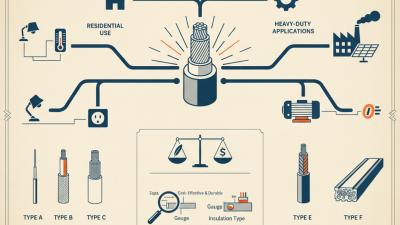
When choosing between stranded and solid aluminum cables, understanding their characteristics is crucial. Stranded cables consist of multiple small aluminum wires twisted together. This design enhances flexibility and makes them ideal for applications requiring movement. In contrast, solid cables are composed of a single aluminum wire. They are more rigid but can handle higher current loads efficiently.
According to industry reports, stranded cables have a lower conductivity than solid cables, which can impact usage in high-power applications. However, flexibility in stranded cables allows for easier installation in tight spaces. For instance, the National Electrical Manufacturers Association (NEMA) highlights that stranded cables can be up to 25% more flexible than solid alternatives. This is useful in areas with ongoing vibration or movement.
On the other hand, solid cables excel in stationary installations. Their durability and reliability mean they often last longer in fixed applications. Unfortunately, their lack of flexibility can make them difficult to install in complex layouts. The choice hinges on the specific demands of the project. Assessing both types carefully is essential to ensure optimal performance and reliability.
Comparison of Stranded vs. Solid Aluminum Cables
Assessing Cost-Effectiveness and Longevity of Aluminum Cables in Applications
When selecting aluminum cables, cost-effectiveness and longevity are crucial factors to consider. Recent industry reports suggest that aluminum cables can be up to 30% cheaper than copper alternatives, making them an attractive option for many projects. However, it's essential to assess their durability in various applications. Aluminum is known to corrode more easily than copper, especially in humid environments, which can impact its lifespan.
A study by the International Electrotechnical Commission indicates that aluminum cables can last 20-30 years under optimal conditions. Yet, this lifespan can drastically reduce when exposed to harsh environments. Insulation types and installation practices also influence longevity. For example, using appropriate connectors can enhance the cable's performance and reduce failure risks.
It's important to acknowledge that while aluminum cables are cost-effective, their long-term reliability can be a concern. Improper installation can lead to issues such as overheating and premature failure. These factors necessitate a thorough evaluation of both the immediate costs and the potential long-term implications. Transitioning to aluminum can yield savings, but only if proper precautions are taken to ensure longevity and performance.
How to Choose the Right Aluminum Cable for Your Needs?
| Cable Type |
Conductor Size (AWG) |
Cost per Meter ($) |
Max Current Rating (A) |
Typical Applications |
Longevity (Years) |
| AAAC |
6 |
1.20 |
65 |
Overhead distribution |
30 |
| AAC |
4 |
1.50 |
70 |
Residential wiring |
25 |
| ACSR |
2 |
1.80 |
100 |
High-voltage transmission |
40 |
| ALL ALUMINUM |
10 |
2.00 |
40 |
Service drops |
20 |
| Aluminum alloy |
1 |
1.10 |
50 |
Industrial applications |
35 |



 +86 13777722188
 WHATSAPP
 PHONE
PHONE E-MAIL