How to Choose the Right Electrical Cable for Your Project?
Choosing the right electrical cable for your project is crucial. Studies show that improper cable selection can lead to inefficiencies and safety hazards. For instance, the National Fire Protection Association (NFPA) reports that electrical failure is a leading cause of structural fires.
Understanding the specifications of electrical cables is vital. Cables must meet specific ratings for voltage, current, and environmental factors. According to the Institute of Electrical and Electronics Engineers (IEEE), using the correct cable can enhance performance and durability. Yet, many underestimate these parameters.
It is essential to reflect on your project requirements. Factors like installation location, load capacity, and safety standards play a significant role. Ignoring these aspects can have serious repercussions, both financially and in terms of safety. A thorough assessment can prevent costly mistakes, ensuring the project's success.
Understanding the Different Types of Electrical Cables Available
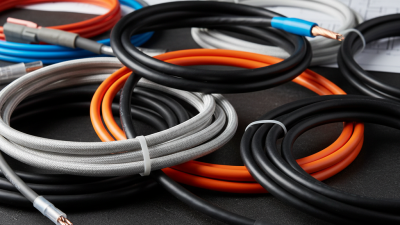
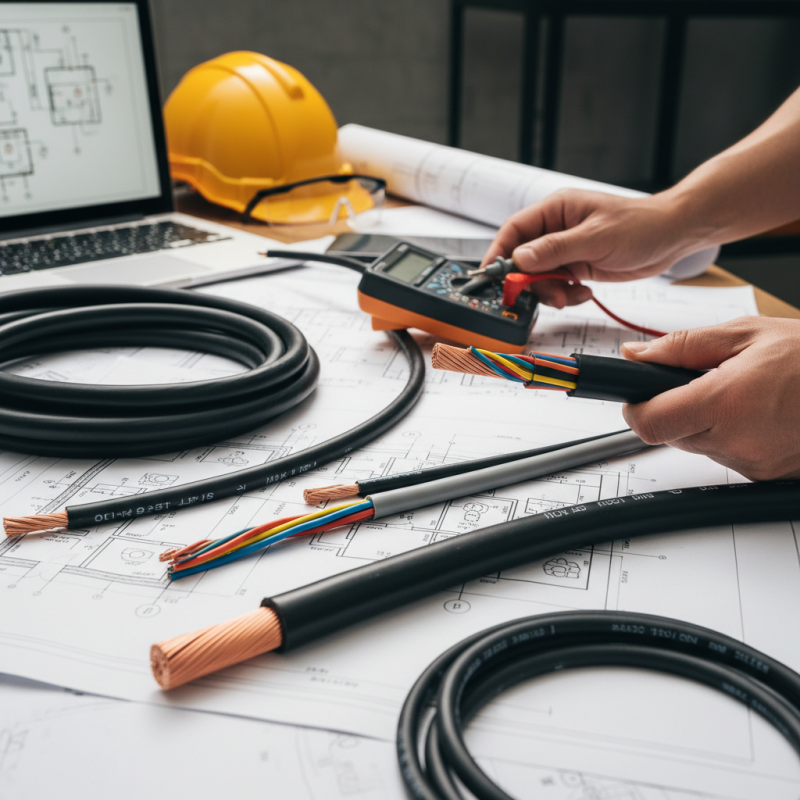
When selecting electrical cables, understanding the types available is crucial. Different cables serve distinct purposes. For instance, residential wires focus on powering lights and outlets. Meanwhile, industrial cables handle more significant loads with enhanced durability. Knowing these categories helps in choosing the appropriate cable for your specific needs.
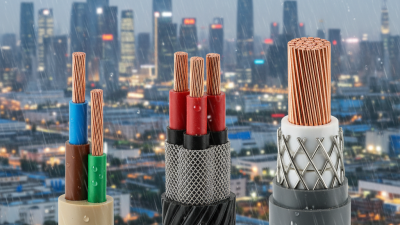
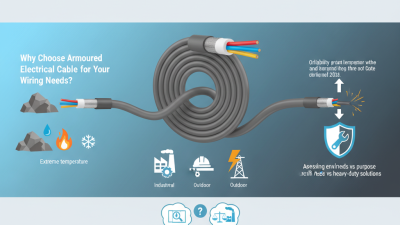
One common type is the non-metallic sheathed cable, often used in home installations. It combines several conductors within a single jacket, making it manageable and safe. In contrast, armored cables provide extra protection against physical damage. This feature is essential in environments where electrical risks are higher. Each type comes with unique specifications, such as ampacity and voltage ratings, which need careful consideration.
For outdoor projects, consider using weather-resistant cables. They should withstand moisture and temperature changes effectively. This aspect is often overlooked, leading to premature cable failures. It's essential to think about installation conditions and the cable's intended lifespan. Ensuring proper selection contributes to both safety and performance over time.
Assessing Project Requirements for Electrical Cable Selection
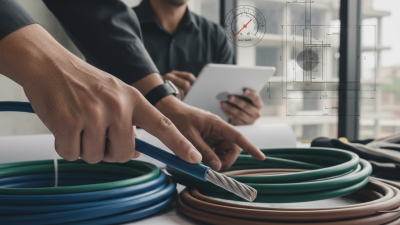
When selecting the right electrical cable for a project, it's crucial to assess specific project requirements carefully. Start by determining the application's voltage and current needs. Each project is unique and demands a tailored approach. Knowing these basic metrics helps in narrowing down options effectively.
Material type is another consideration. Copper and aluminum are common choices, each with its pros and cons. Copper offers superior conductivity but can be more expensive. Aluminum is lightweight and cost-effective, yet may have limitations in high-current applications. You need to weigh these factors according to your budget and project goals.
Environment also plays a vital role. Cables must withstand moisture, heat, or even corrosive substances, depending on the installation area. Outdoor projects might require additional insulation. Always think about installing conditions that could impact performance. Remember that choices made today affect future maintenance too. Mistakes in initial selection can lead to costly revisions later. Thus, analyzing each requirement closely is essential for a successful outcome.
Evaluating Cable Specifications: Gauges, Voltages, and Insulation Types
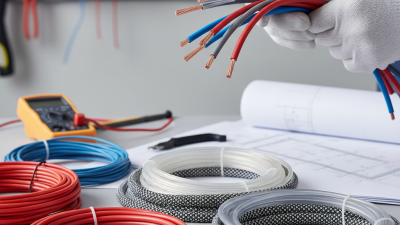
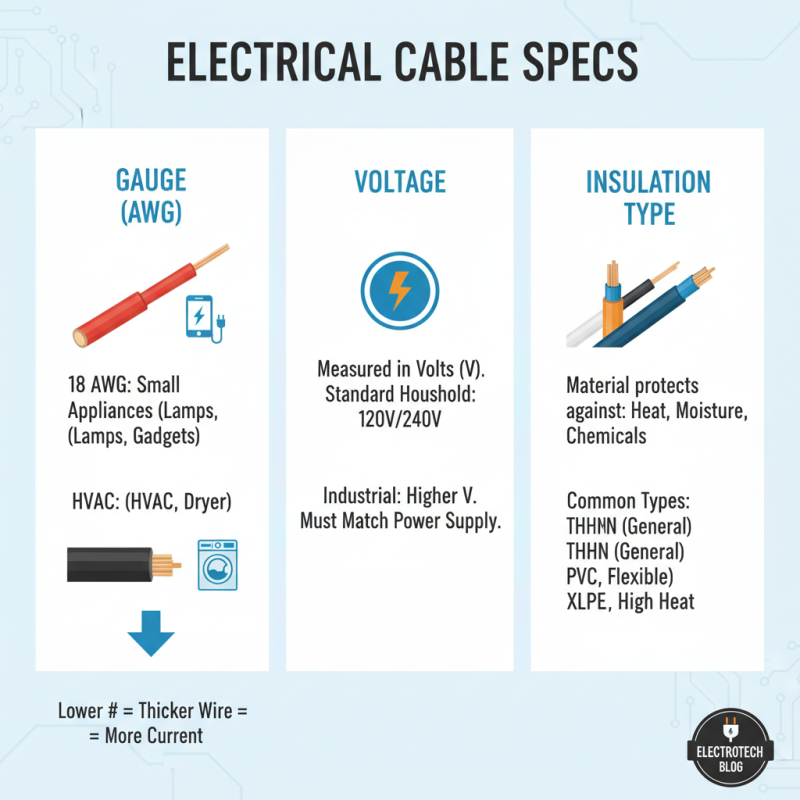
Choosing the right electrical cable requires a good understanding of several key specifications. Cable gauge, for example, directly affects how much current it can handle. A standard method to determine gauge is the American Wire Gauge (AWG) system. Thinner wires, like 18 AWG, are suitable for small appliances. Meanwhile, thicker wires, such as 10 AWG, are better for heavy-duty applications. This difference impacts both safety and efficiency in any project.
Voltage ratings are equally crucial. A cable rated for 600 volts should be used for most residential projects, ensuring safe operation. For specialized industrial purposes, higher ratings of 1000 volts may be necessary. Using an underspecified cable can lead to overheating and potential failures.
Insulation types also warrant careful examination. PVC, for instance, is common due to its balance of flexibility and heat resistance. Yet, in high-temperature environments, alternatives like Teflon might be more appropriate. One study highlighted that improper insulation selection contributed to 15% of electrical failures in commercial installations. Attention to these details can significantly enhance the reliability of electrical systems.
Safety Standards and Regulations to Consider When Choosing Cables
When selecting electrical cables, safety standards are paramount. The National Electrical Code (NEC) outlines essential guidelines that govern installation practices. Compliance with these standards reduces risks associated with electrical failures. Non-compliance can lead to significant hazards, including short circuits or fires.
Insulation type is also critical. For instance, Thermoplastic (PVC) insulation offers good resistance but may not withstand extreme temperatures. According to the International Electrotechnical Commission (IEC), cables must be rated for their operating environment. In colder climates, a cable with appropriate temperature ratings is necessary to prevent brittleness.
The capacity of the cable also matters. Overloading cables can lead to overheating. A report by the Electrical Safety Foundation International states that improper sizing caused around 12% of electrical fires. Choosing the right gauge ensures safety and longevity. Consequently, not considering these factors can have severe implications, indicating the need for careful selection.
Tips for Proper Installation and Maintenance of Electrical Cables
When installing electrical cables, proper technique is critical. Incorrect installation can lead to failures and safety hazards. According to industry data, up to 30% of electrical failures result from poor installation practices. Ensure that cables are not excessively bent or twisted, as this can damage insulation and reduce effectiveness.
Using the right connectors and terminals is also important. Ensure they match the cable type and gauge. Data from the National Electrical Contractors Association shows that proper termination techniques can reduce failure rates by 15%. Always inspect connections regularly to prevent deterioration over time.
Routine maintenance should include visual inspections for wear and damage. Be vigilant about signs like frayed wires or corrosion. Ignoring small issues can lead to larger problems later. Although many professionals recommend annual checks, consider your specific installation and environment. Each project may have unique needs that demand a more tailored maintenance schedule.
How to Choose the Right Electrical Cable for Your Project?
| Cable Type |
Voltage Rating |
Usage |
Installation Tips |
Maintenance Tips |
| NM Cable |
600V |
Residential Wiring |
Avoid overloading; ensure proper connections. |
Inspect for wear and rodent damage regularly. |
| THHN Wire |
600V |
General Purpose; Commercial |
Use in dry locations; avoid shortcuts. |
Check connections after severe weather changes. |
| UF Cable |
600V |
Underground Installations |
Bury at least 24 inches deep; protect from moisture. |
Inspect for corrosion and physical damage. |
| SJOOW Cable |
300V |
Portable Power Applications |
Use in well-ventilated areas to prevent overheating. |
Keep away from sharp edges and chemicals. |
| Coaxial Cable |
Various (up to 75 Ohm) |
Television and Internet |
Avoid bends sharper than 90 degrees to maintain signal quality. |
Check connectors for corrosion and secure fit. |



 +86 13777722188
 WHATSAPP
 PHONE
PHONE E-MAIL