2026 How to Choose the Best Insulated Cable for Your Needs?
Choosing the right insulated cable is crucial for any electrical project. Industry expert John Carter, a senior engineer at ElectraTech, once stated, "Selecting the appropriate insulated cable can dramatically affect performance and safety." Insulated cables are more than just a technical choice; they ensure that energy flows efficiently while safeguarding against risks.
When evaluating options, consider factors like the voltage rating, insulation material, and environmental conditions. Not all cables are created equal, and sometimes what appears to be suitable may fall short. For instance, a cable that performs well in dry conditions may not be reliable in moist environments. It's essential to think critically about each aspect.
Incorrect choices can lead to costly repairs and safety hazards. Reflecting on the specifics can help avoid common pitfalls. Quality insulated cables not only enhance performance but also protect your investment in the long run. Your decision today will have lasting implications.
Understanding Insulated Cables and Their Importance in Electrical Systems
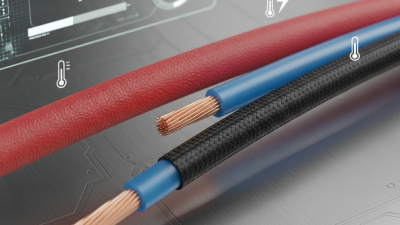
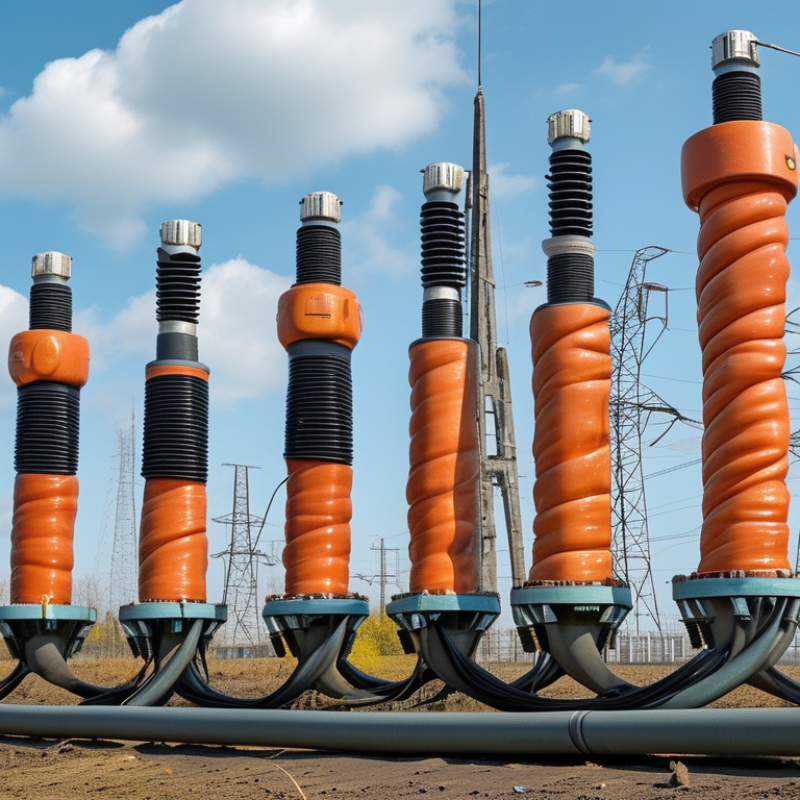
Insulated cables play a critical role in electrical systems. They provide safety and efficiency by preventing unintended electrical contact. The insulation material protects the conductor, enabling electricity to flow without risk of short circuits or shocks. Different types of insulation are available, each with unique properties.
When selecting an insulated cable, several factors matter. The environment where the cable will be used is vital. For example, cables exposed to moisture need insulation that withstands water. Temperature tolerance is also crucial; cables in extreme conditions require specialized materials to maintain performance. Understanding these factors helps ensure the right choice.
Choosing the right cable is not always easy. Many overlook the importance of matching insulation to specific applications. Insufficient knowledge can lead to poor decisions, resulting in safety hazards or system failures. It's essential to research and consult with experts who understand the nuances of insulated cables. Careful evaluation and thoughtful choices prevent costly mistakes in the long run.
Types of Insulation Materials and Their Properties for Cable Selection
When selecting insulated cables, understanding insulation materials is crucial. There are several types, each with unique properties. PVC is one popular option. It's flexible and resistant to moisture. However, it may not perform well in high temperatures. In contrast, cross-linked polyethylene (XLPE) can handle higher heat. This makes it ideal for industrial applications.
Thermoplastic elastomers (TPE) offer another alternative. They provide good elasticity and chemical resistance. These are excellent for environments where flexibility is necessary. However, TPE can be more costly. Think about your specific needs. Will the cable face extreme conditions? What’s the likelihood of exposure to chemicals? These considerations will impact your choice.
Different materials serve different purposes. There’s no one-size-fits-all solution. For instance, rubber insulation is durable and weather-resistant. But, it may not be suitable for high-voltage systems. Reflecting on these aspects can guide you to make a better choice. Always assess the application first. The right insulation material can ensure safety and longevity in your projects.
Factors to Consider When Choosing Insulated Cables for Specific Applications
Choosing insulated cables requires careful consideration of various factors specific to your application. The type of insulation is critical. Materials like PVC, XLPE, or rubber offer different levels of thermal resistance, flexibility, and durability. Consider the environment where the cable will be used, as extreme temperatures or exposure to chemicals can degrade insulation over time.
Voltage rating is another crucial factor. Ensure that the cable can handle the voltage requirements of your system. A cable with insufficient voltage rating may cause overheating or even failure. Pay attention to the cable's current-carrying capacity as well. Selecting a cable that cannot handle the expected load can lead to safety hazards.
Lastly, installation conditions matter. Think about whether the cable will be buried underground, exposed in an outdoor environment, or used indoors. Cables designed for outdoor use often have UV protection and moisture resistance. Each application presents unique challenges that should not be overlooked. Be mindful of these details to avoid costly mistakes in your selection process.
Factors to Consider When Choosing Insulated Cables for Specific Applications
| Application |
Wire Gauge |
Insulation Type |
Temperature Rating |
Voltage Rating |
| Residential Wiring |
12 AWG |
PVC |
60°C |
300V |
| Commercial Lighting |
14 AWG |
XLPE |
90°C |
600V |
| Industrial Equipment |
10 AWG |
Rubber |
90°C |
600V |
| Automotive Applications |
16 AWG |
Cross-Linked Polyethylene (XLPE) |
125°C |
60V |
| HVAC Systems |
8 AWG |
Thermoplastic |
75°C |
600V |
Evaluating Voltage Ratings and Temperature Limits of Insulated Cables
When selecting insulated cables, understanding voltage ratings and temperature limits is crucial. Voltage ratings indicate the maximum voltage a cable can safely carry. Exceeding this limit can lead to insulation breakdown. You might not initially notice the effects, but over time, it can cause significant failures. Therefore, confirm the voltage of your application to avoid surprises later.
Temperature limits are equally important. Cables are rated for different temperature ranges. Operating outside these limits can degrade insulation material. Consider the environment where the cable will be installed. Extreme heat or cold can impact its performance. If the conditions fluctuate, choose cables with higher temperature resistance.
It's worth noting, however, that not all installations are straightforward. You may encounter unexpected challenges such as moisture or chemical exposure. These factors can also influence cable performance. Reflect on your specific requirements, considering both voltage and temperature, to make a well-informed decision.
Best Practices for Installing and Maintaining Insulated Cables in Projects
When it comes to installing and maintaining insulated cables, attention to detail is crucial. Proper installation begins with selecting the right type of insulation material. According to industry research, polyethylene and PVC are two common choices due to their durability and resistance to moisture. Each project may require different materials based on environmental conditions and the electrical load expected.
Regular inspections are vital to ensure the longevity of insulated cables. A study published in the Journal of Electrical Engineering highlights that 20% of cable failures are due to environmental factors, like excessive heat or moisture. Installing cables in dry, cool areas can significantly reduce failure rates. Additionally, maintaining proper strain relief during installation can prevent mechanical stress, which is often overlooked.
Documentation is another key aspect often neglected during installation. Keeping records of installation conditions and maintenance schedules fosters accountability and allows for better forecasting of potential issues. Many project managers miss this step, which can lead to complications later on. By integrating good practices, the reliability of insulated cables can be significantly enhanced.
Best Practices for Insulated Cable Management



 +86 13777722188
 WHATSAPP
 PHONE
PHONE E-MAIL