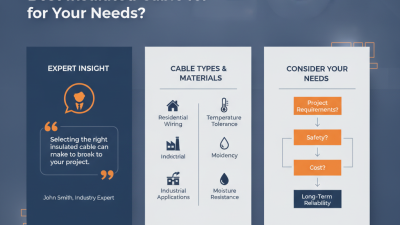
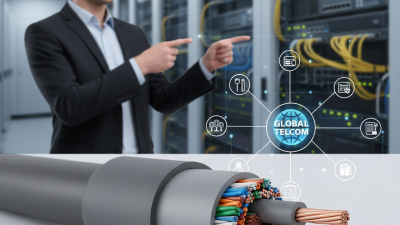
Top Tips for Choosing Insulated Cable for Your Needs?
Choosing the right insulated cable is crucial for a variety of electrical projects. Understanding your specific needs can greatly influence the success of your project. Insulated cables come in different types, each suited for particular applications. Selecting the correct one requires careful consideration of several factors.
The insulation material is one of the most important aspects. Materials like PVC, Teflon, and rubber each have unique properties. Their resistance to heat and chemicals varies significantly, impacting your decision. Knowing where and how you'll use the cable helps narrow down your options. Additionally, the cable's gauge affects its current-carrying capacity. A heavier gauge can support larger loads but may be less flexible.
It’s easy to overlook details, but do not rush this process. Ask experts for guidance. Insulated cables are not interchangeable; using the wrong one can lead to dangerous situations. The right choice enhances safety and efficiency. Always prioritize quality, as cheap cables can cost more in the long run. The goal is to ensure your electrical systems function safely and effectively.
Understanding the Importance of Insulation in Electrical Cables
Insulation in electrical cables plays a crucial role in maintaining safety and efficiency. It prevents short circuits, electrical shocks, and energy loss. According to a report by the International Electrotechnical Commission, nearly 30% of electrical failures in installations can be attributed to inadequate insulation. Choosing the right insulated cable can significantly reduce these risks.
When selecting insulated cable, consider the environment it will operate in. Different applications may require specific insulation materials. For example, PVC is common for general use, but it may not withstand extreme temperatures. In contrast, cross-linked polyethylene (XLPE) is more suitable for high-heat applications. Understanding these differences is essential for optimal performance.
Tip: Always check the temperature rating of the cable insulation. Ensure it matches your operational conditions.
Safety is paramount. Insulation also protects against humidity and chemical exposure. Maintenance professionals should regularly inspect cables to identify any wear or damage. This proactive approach can mitigate hazards and extend cable life.
Tip: Conduct regular inspections every six months to assess insulation integrity.
Having reliable insulation contributes to the longevity of electrical systems. A comprehensive understanding of insulation types can lead to informed choices, enhancing overall performance.
Types of Insulated Cables and Their Applications
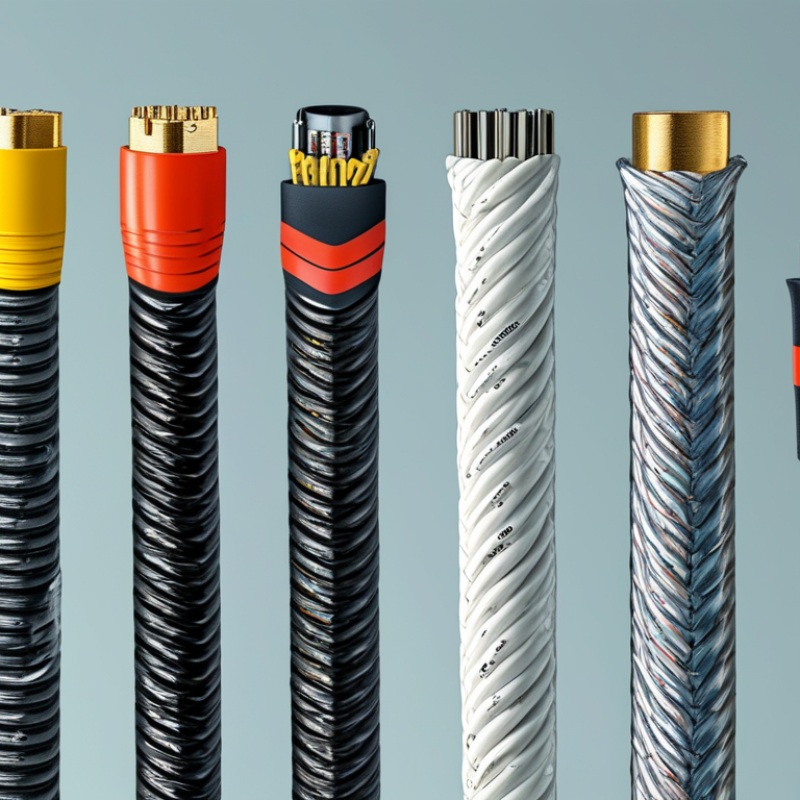
When it comes to insulated cables, the right type matters greatly for safety and performance. There are several types of insulated cables, each designed for specific applications. For example, thermoplastic insulated cables are popular in residential wiring due to their flexibility and resistance to moisture. These cables can withstand various environmental conditions, making them suitable for both indoor and outdoor use.
Another type is cross-linked polyethylene (XLPE) insulated cables. They offer improved heat resistance and are commonly used in industrial settings. XLPE cables handle higher voltages and are known for their durability. However, they may be overkill for simple household projects. Understanding the environment in which the cable will be used is crucial.
Then there are rubber insulated cables, ideal for extreme conditions. They remain flexible in cold weather and resist abrasion. However, they can be more expensive than other options. It's important to weigh the cost against the benefits. Selecting the wrong type can lead to safety hazards or reduced performance. Always consider the specific requirements of your project before making a choice. Each cable type has its pros and cons, prompting careful reflection on your decision-making process.
Top Tips for Choosing Insulated Cable for Your Needs
| Type of Insulated Cable |
Material |
Temperature Rating (°C) |
Typical Applications |
| PVC Insulated Cable |
Polyvinyl Chloride (PVC) |
-10 to 70 |
General wiring in building |
| XLPE Insulated Cable |
Cross-linked Polyethylene (XLPE) |
-40 to 90 |
High voltage applications |
| Rubber Insulated Cable |
Natural or Synthetic Rubber |
-25 to 60 |
Outdoor power supply |
| EPR Insulated Cable |
Ethylene Propylene Rubber (EPR) |
-50 to 90 |
Industrial and utility applications |
| TPE Insulated Cable |
Thermoplastic Elastomer (TPE) |
-40 to 90 |
Flexible applications and robotics |
Factors to Consider When Selecting Insulated Cable
Choosing the right insulated cable is crucial for safety and efficiency. Several factors can determine the best option for your specific needs. One important aspect is the environment where the cable will be used. Temperature fluctuations and moisture levels can significantly affect performance.
Material type is another consideration. PVC is common, but alternatives like XLPE may offer better thermal resistance. Check the insulation thickness as well. A thicker layer often means better durability and reduced risk of damage.
When selecting insulated cable, think about the current rating needed. This affects how much electricity can flow without overheating. Consider future needs too. You might need to upgrade later, so planning ahead is smart. Take your time to review specifications. Small details can lead to significant safety issues. Don't hesitate to consult with a specialist. Their expertise can illuminate aspects you may overlook.
Top Tips for Choosing Insulated Cable for Your Needs
Evaluating the Temperature and Voltage Ratings of Insulated Cables
When choosing insulated cables, understanding temperature and voltage ratings is crucial. These ratings dictate how well a cable can perform under specific conditions. For instance, the American National Standards Institute (ANSI) recommends that cables used in high-temperature environments have a rating of at least 90°C. This ensures reliability, especially in industrial settings.
Inspect the voltage rating carefully. A standard voltage rating might be 600V for many applications, but certain systems, like those in renewable energy installations, may require cables rated for 1000V. Using cables with insufficient ratings can lead to failures, increasing maintenance costs and risking safety.
Tip: Always match the cable voltage rating to your system needs.
Temperature fluctuations can occur in multiple environments. Cables installed outdoors may experience a broader range of temperatures. The IEEE Standard for Power Cable Systems (IEEE 48) provides insights into these variations. Some cables may not perform well when exposed to extreme cold.
Tip: Consider ambient temperatures when selecting cables.
Potential performance issues can arise if cables are used beyond their ratings. Always evaluate your specific requirements. Inadequate regulations might lead to accidents or equipment failures. Understanding these factors ensures choices that prioritize safety and performance.
Best Practices for Installation and Maintenance of Insulated Cables
When installing insulated cables, proper practices are crucial. Ensure that you follow guidelines for the particular cable type. Inspect the cable before use. Look for any signs of damage or wear. A simple visual check can save you from bigger issues later.
One critical tip is to avoid bending cables sharply. Excessive bending can weaken the insulation and lead to electrical failures. Use gentle curves instead. Additionally, secure cables properly to prevent movement and damage. Loose cables can create hazards over time.
Regular maintenance is also essential. Check connections periodically for any signs of corrosion. Clean off any dirt or debris that could interfere with performance. Keeping cables free of obstructions helps prolong their lifespan. Take time to assess your installation regularly. This small effort can reveal problems early.



 +86 13777722188
 WHATSAPP
 PHONE
PHONE E-MAIL