Top Aerial Cable Installation Tips for Global Buyers?
Aerial cables play a crucial role in modern telecommunications and power distribution systems. According to recent market reports, the global aerial cable market is projected to reach USD 8 billion by 2025, driven by increasing demand for efficient infrastructure. As industries grow and urban areas expand, the need for reliable aerial cable installation has never been more prominent.
However, the installation process is often fraught with challenges. Aerial cables require careful planning and execution to avoid issues such as signal interference and physical damage. Missteps in installation can lead to costly repairs and operational downtimes. Research highlights that approximately 30% of aerial cable installations face delays due to improper setup. Understanding the best practices in aerial cable installation is essential for global buyers aiming to minimize risks.
Mastering aerial cable installation is not merely a technical skill; it demands insight and adaptability. Buyers must remain aware of the fluctuating industry standards and evolving technologies. This landscape provides both opportunities and challenges, urging stakeholders to reflect on their approaches continually.

Essential Safety Measures for Aerial Cable Installation
When installing aerial cables, prioritizing safety is non-negotiable. Safety measures should begin with a thorough assessment of the installation site. Consider factors like terrain, weather conditions, and potential hazards such as nearby power lines. This assessment helps to determine safe access routes and the necessary equipment required for the job.
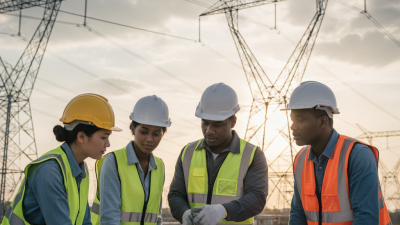
Using the correct protective gear is essential. Hard hats, gloves, and fall protection harnesses safeguard workers on-site. Maintain clear communication among crew members, especially when working at heights. Designate a safety officer to oversee the installation process and ensure compliance with safety guidelines. Regular safety drills can also reinforce safety protocols.
Reflecting on past experiences can lead to improved safety. Learn from any near-misses or accidents. This learning can shape better practices for future installations. Keeping records of safety incidents will help identify patterns and areas needing attention. Strive for a culture of safety, where every worker feels empowered to voice concerns and share observations.
Choosing the Right Aerial Cable for Your Project
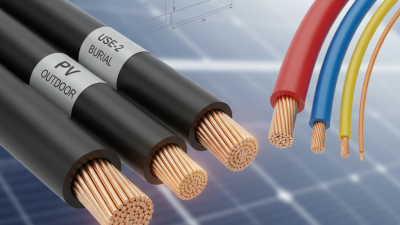
Choosing the right aerial cable for your project is crucial. Different applications require different specifications. Consider factors like the environment, cable type, and required bandwidth. Evaluate the terrain and climate where the cable will be installed. Harsh weather can affect performance.
When selecting a cable, think about insulation types. Some cables perform better in wet conditions, while others are better in extreme temperatures. Pay attention to the cable's tensile strength as well. A cable that can withstand physical stress will ensure longevity.
Before making a decision, consult with installation experts. Their insights can help you avoid common pitfalls. Reflect on past projects where cable choices did not meet expectations. Learning from these experiences can guide you towards better choices for your current project. Always prioritize quality over cost to guarantee reliability in the long run.
Best Tools and Equipment for Aerial Cable Installation
Aerial cable installation is a demanding task that requires proper tools and equipment. Quality tools can significantly improve the efficiency and safety of installation. According to industry reports, around 73% of installation failures are due to improper tool usage. This highlights the importance of selecting the right equipment for the job.
One essential tool is a cable puller. It assists in handling heavy cables with ease. For instance, using a hydraulic cable puller can reduce the physical strain on workers. It also minimizes cable damage during installation. Additionally, safety gear, such as hard hats and gloves, cannot be overlooked. Up to 40% of installation incidents involve injuries that could be prevented with proper protective equipment.
Moreover, having access to good insulation testers is vital. These devices ensure the integrity of the cables once installed. A study revealed that 60% of aerial faults can be traced back to issues related to insulation. Therefore, careful testing before and after installation can save time and costs. While tools and equipment can enhance the installation process, the skills and experience of workers play an equally crucial role. Ensuring a well-trained crew can make a significant difference in overall project success.
Top Aerial Cable Installation Tips for Global Buyers
Effective Techniques for Aerial Cable Management
Effective aerial cable management is essential for ensuring reliability and longevity in telecommunications. According to the International Telecommunication Union, up to 30% of outages can be traced back to poor cable management practices. Properly installed and maintained aerial cables can significantly reduce this figure. It is crucial to use appropriate cable supports and to space cables adequately to minimize sagging and wear. Ensuring that cables are secured at regular intervals can mitigate risks associated with wind and weather conditions.
Utilizing protective covers can also enhance the durability of aerial installations. Research suggests that cables subjected to UV radiation may degrade by as much as 25% faster without protection. Regular inspections should be part of a comprehensive maintenance program. Implementing a routine check every six months can help identify weaknesses early. Data from industry reports indicate that timely maintenance can extend the lifespan of aerial cables by 15-20%.
Additionally, technician training plays a pivotal role in effective management. Well-trained staff are more likely to adhere to best practices. A survey found that organizations investing in training saw a 40% decrease in installation errors. Reflecting on past projects can reveal common pitfalls, such as miscalculating tension or spacing. These insights help refine strategies for future installations. Fostering a culture of continuous learning may prove beneficial in addressing inherent challenges in aerial cable management.
Common Challenges in Aerial Cable Installation and Solutions
Aerial cable installation often presents unique challenges.
One common issue is inadequate site assessment.
Proper planning minimizes unexpected obstacles. Always evaluate terrain, existing infrastructure, and weather conditions before beginning.
Skipping this phase can lead to delays and increased costs.
Another challenge is ensuring cable integrity during installation.
Improper handling can cause damage to cables, leading to failures. Using appropriate equipment and techniques is vital.
Train installation teams thoroughly. Equip them with the right tools for the job.
Regular checks on installation quality can prevent future issues.
Communication plays a crucial role.
Misunderstandings between teams can lead to errors. Maintain clear lines of communication throughout the project.
Regular updates ensure everyone remains aligned. A collaborative approach fosters better solutions to arising problems.
It’s about learning from mistakes and improving processes for the next installation.



 +86 13777722188
 WHATSAPP
 PHONE
PHONE E-MAIL