Best Copper Cable for Global Buyers in China Today?
In today's global market, the demand for high-quality Copper Cable continues to rise. Many buyers turn to China, noted for its manufacturing strengths. However, not all products meet international standards. Copper Cable, essential for various applications, must be sourced carefully.
When purchasing, consider the reliability of suppliers. Look for companies with a proven track record and strong customer reviews. Testing for quality is also crucial. Some cables may fail to perform under stress, leading to costly repairs.
Despite the abundance of options, not every copper cable is the same. Variance in quality can be staggering. Users should remain vigilant and do their research. Buyers should engage with experts, and track the experiences of others in the industry. Making informed choices will help secure the best copper cables for any requirement in today’s competitive landscape.
Overview of Copper Cable Types Available in China
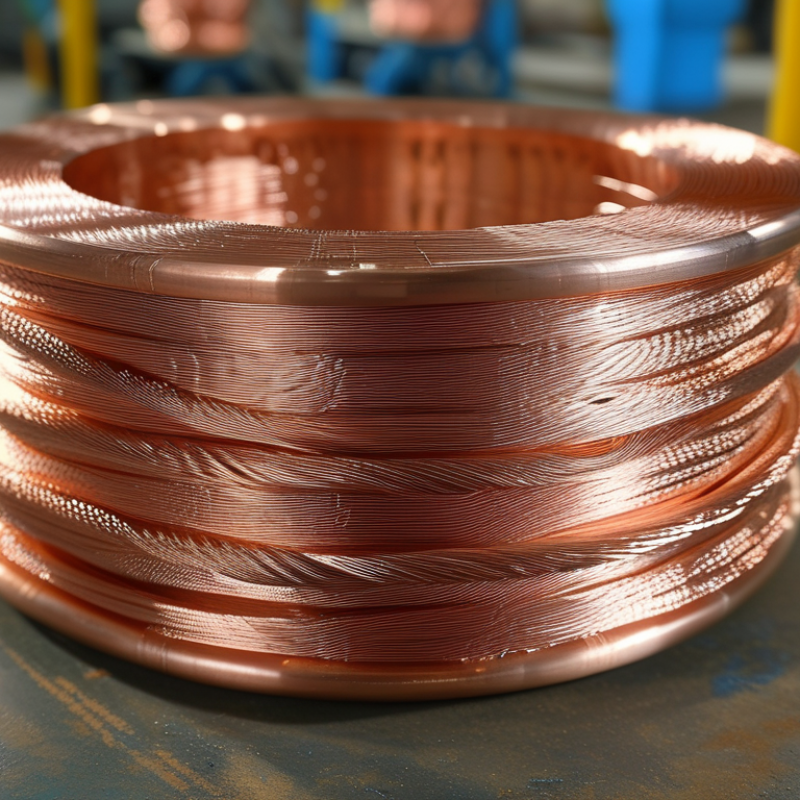
In China, there are various types of copper cables available, catering to different needs. One common type is the bare copper wire. This wire is used primarily in electrical applications. Its excellent conductivity makes it a popular choice. Generally, bare copper is highly malleable and easy to work with.
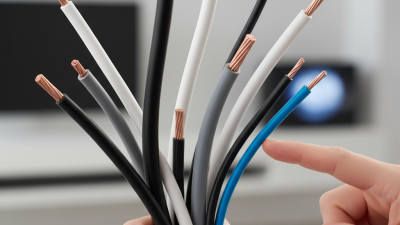
Another widely utilized option is insulated copper cable. This kind of cable is commonly used in residential buildings. The insulation protects against electrical shock and environmental factors. It is crucial for ensuring safety during the installation and use of electrical systems. Additionally, there are variations in gauge sizes, allowing for flexible use in different electrical loads.
Lastly, there are specialty copper cables designed for specific applications. These can include high-temperature resistance cables or cables meant for underwater use. Each type has distinct advantages, but buyers should be aware of their limitations too. Selecting the right copper cable requires understanding the specific needs and conditions of the intended application.
Key Players in China's Copper Cable Manufacturing Industry
China's copper cable manufacturing industry is vast and dynamic. The country has several key players that dominate the market. These companies come with extensive experience and knowledge in producing high-quality copper cables. Many of them also focus on innovation to stay competitive.
In recent years, there has been a noticeable increase in demand for various types of copper cables. This surge is driven by advancements in telecommunications and renewable energy sectors. However, while many manufacturers boast impressive production capabilities, some still struggle with quality control. Issues like inconsistent cable thickness and inadequate insulation are common concerns that need attention.
Some manufacturers are keen on sustainability. They invest in eco-friendly practices to reduce waste. However, the transition is not always smooth. Not all players engage in environmentally responsible methods. It's crucial for global buyers to evaluate potential suppliers thoroughly. This ensures they partner with reliable manufacturers who meet their standards.
Factors Influencing Copper Cable Quality and Performance
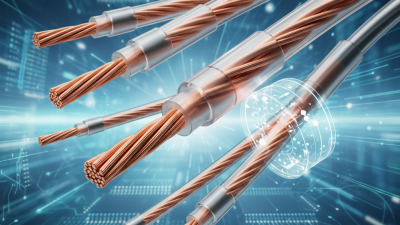
When considering the quality of copper cables, several factors come into play. The purity of copper used is crucial. Higher purity means better conductivity, which can enhance performance significantly. Impurities often lead to energy loss and heat generation. Additionally, the cable's insulation type affects its durability and safety. Different applications may require specific insulation materials to prevent degradation over time.
Another key factor is the manufacturing process. Consistency in production standards often dictates the cable's reliability. It’s essential to inspect the cable's physical characteristics, like flexibility and tensile strength. A cable that is too stiff may not perform well in tight spaces, whereas a more flexible cable might have a reduced lifespan if not properly designed.
Testing and certifications also influence quality. Cables that undergo rigorous testing are typically more trustworthy. However, some manufacturers might cut corners, leading to potential hazards. Buyers should be aware of this and verify quality through independent assessments when possible. This proactive approach helps ensure that products meet required performance standards. Each choice made during the cable selection process must reflect attention to detail and a commitment to safety.
Factors Influencing Copper Cable Quality and Performance
Comparative Pricing of Copper Cables for Global Buyers
When considering copper cables in China, pricing can vary significantly. Global buyers should research local markets thoroughly. Prices depend on factors such as quality, quantity, and vendor reputation. The best deals often come from suppliers with a strong track record.
For those unfamiliar with the landscape, here are some tips. Always obtain multiple quotes from different suppliers. This helps in identifying fair market pricing. Also, inspect cable quality to avoid future issues. Don't hesitate to negotiate prices, as many suppliers expect it.
Be mindful that the lowest price isn't always the best choice. Patience and careful evaluation can yield better long-term savings. Buyers should prioritize quality over cost. Sometimes, a seemingly more expensive option can offer better durability and performance.
Sourcing Strategies for Purchasing Copper Cables in China
Sourcing copper cables in China can be complex. Understanding local markets is crucial. Buyers must consider several factors before making a decision. Quality is paramount. Inspecting the product specifications can significantly impact your investment.
Establishing trust with suppliers is vital. Engaging in direct communication helps build relationships. Identifying reputable manufacturers takes time and effort. Look for certifications that validate their compliance with international standards. A good practice is to request samples before finalizing any deals. Don’t rush into purchases based solely on price.
Be aware of the risks involved. Sometimes, lower prices can signal inferior quality. Conduct thorough research on potential suppliers. Online reviews and industry ratings can provide insights. Visit manufacturing sites, if possible, to gain firsthand knowledge. This not only strengthens your negotiation position but also enhances your understanding of the production process.



 +86 13777722188
 WHATSAPP
 PHONE
PHONE E-MAIL