Why Is Cable Wire Essential for Your Projects and Purchases?
Cable wire plays a crucial role in various projects, from construction to electronics. Experts like John Mitchell, a seasoned electrical engineer, emphasize its importance. He once stated, “Quality cable wire is the backbone of every reliable electrical system.” This highlights the vital need for choosing the right cable wire.
In many applications, the reliability of cable wire can significantly affect outcomes. When quality is compromised, it can lead to serious project failures. Poor connections can cause malfunctions, risking safety and efficiency. Thus, using high-grade cable wire ensures durability and optimal performance.
Furthermore, understanding the specifications of cable wire is not always straightforward. Many people overlook the differences in insulation, material, and gauge. A lack of knowledge can lead to incorrect choices. This emphasizes the importance of expert advice and careful consideration in any project involving cable wire. Ensuring the right type can save time and resources in the long run.
Importance of Cable Wire in Electrical Projects
Cable wire plays a critical role in numerous electrical projects. Its primary function is to conduct electricity safely and efficiently. In residential wiring, for instance, the choice of cable wire affects the overall safety and performance of electrical systems. High-quality wire minimizes energy loss and enhances the reliability of installations.
Consider a home renovation project. Using the right cable wire can prevent overheating and reduce the risk of fire hazards. However, not all projects receive the attention needed for proper wiring. Some may cut corners to save costs, leading to subpar results. This creates problems that can affect the entire electrical system.
Additionally, cable wire selection should consider gauge and insulation. This ensures compatibility with appliances and devices. Choosing the wrong type could result in outages or equipment damage. Awareness of these factors can enhance project outcomes. Investing time in understanding cable wire can reshape the landscape of any electrical project. Reflecting on past mistakes can guide better decisions in the future.
Types of Cable Wires and Their Specific Uses
Cable wires are critical in various projects, from construction to DIY electronics. Understanding the different types is essential for optimal performance. One common type is the coaxial cable. It excels in transmitting television signals. Research shows that coaxial connections can maintain signal integrity over long distances, minimizing data loss. This is vital in areas where signal quality directly affects equipment performance.
Another notable category is twisted pair cables. These cables are widely used in networking due to their ability to reduce electromagnetic interference. According to a study by the Institute of Electrical and Electronics Engineers (IEEE), twisted pair cables can support data transmission speeds up to 10 Gbps over short distances. Such capabilities are crucial for modern communication systems. However, improper installation can lead to crosstalk, which diminishes their effectiveness.
Furthermore, there are fiber optic cables, recognized for their high bandwidth and long-distance coverage. They transmit data as light, allowing speeds that surpass traditional copper cables. A report from the Optical Fiber Communications Conference indicates that fiber optic technology can support data rates exceeding 100 Gbps. Despite their advantages, they require careful handling, as they are fragile. Even minor bends can damage performance significantly. Understanding these details is critical for anyone looking to enhance their project outcomes.
Usage of Different Types of Cable Wires in Various Projects
Factors to Consider When Purchasing Cable Wire
When choosing cable wire for your projects, several key factors come into play. Wire gauge is one critical aspect. A thinner wire may not handle high current loads, leading to overheating. For instance, a 14-gauge wire can safely carry about 15 amps of current. On the other hand, a 12-gauge wire handles approximately 20 amps. Understanding these specifications helps prevent electrical failure.
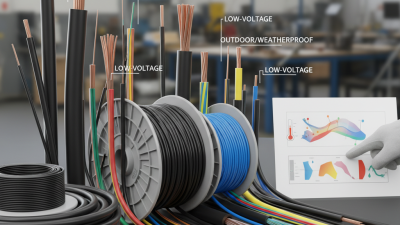
Another important factor is insulation type. Different insulation materials are rated for various temperatures and environments. PVC insulation is common for indoor use, while thermoplastic elastomer (TPE) is more flexible and durable, especially in outdoor settings. A 2022 industry report indicated that improper insulation can result in 30% of electrical fires. Choosing the right insulation can mitigate such risks.
Voltage rating is another consideration. Using wires not rated for the system's voltage can lead to dangerous situations. Ensure that the cable wire meets or exceeds the necessary voltage requirements. Research indicates that 15% of electrical issues stem from using unsuitable wire. Quality assurance from reliable manufacturers strengthens project outcomes and minimizes risks. Test reports and certifications play crucial roles in ensuring that your cable wire meets the necessary safety standards. Always analyze these factors closely before making a purchasing decision.
Safety Guidelines for Using Cable Wire in Projects
When using cable wire in your projects, safety is paramount. Proper handling can prevent accidents and ensure successful results. Always wear appropriate personal protective equipment, such as gloves and safety glasses. This minimizes the risk of injury from sharp edges or unexpected wire behavior.
Inspect your wire before use. Look for frays or damage that could compromise its strength. Such oversights might lead to unforeseen hazards. When working with electrical cables, ensure they're not live during installation. Dealing with live wires can lead to serious injuries. Always follow the manufacturer’s guidelines for installation to avoid mishaps.
Using cable wire can be tricky. Make sure you're organized. Keep tools and materials accessible. This can reduce distractions and help you focus on the task. Consider labeling wires for clarity. Mistakes in connections can cause significant delays and safety risks. Maintaining a clean workspace is beneficial too. Clutter can lead to accidents, making it harder to concentrate on your project.
Cost-Benefit Analysis of Investing in Quality Cable Wire
Investing in quality cable wire can significantly impact your projects. While cheaper options may seem appealing, they can lead to costly issues. Substandard wires can cause electrical failures, which may lead to equipment downtime.
Downtime can be detrimental, especially for businesses relying on consistent power and connectivity.
When analyzing costs, factor in the long-term savings of investing in quality. Quality cable wires have better insulation and durability, reducing maintenance and replacement costs. This little extra spent upfront translates to reliability. Projects are completed on time, boosting efficiency.
However, some may struggle to see the value in spending more initially. It’s essential to consider the potential failures and hazards associated with poor-quality wires.
Each project is an investment. Weighing the risks of low-quality materials against the benefits of premium options is crucial for any project manager or DIY enthusiast. Quality matters, and it impacts not just budgets but also safety.



 +86 13777722188
 WHATSAPP
 PHONE
PHONE E-MAIL