How to Choose the Right Cable Wire for Your Projects?
Choosing the right cable wire for your projects is crucial. With various options available, the decision can be overwhelming. The right cable wire can enhance safety and efficiency in your work. Understanding the specific needs of your project is essential.
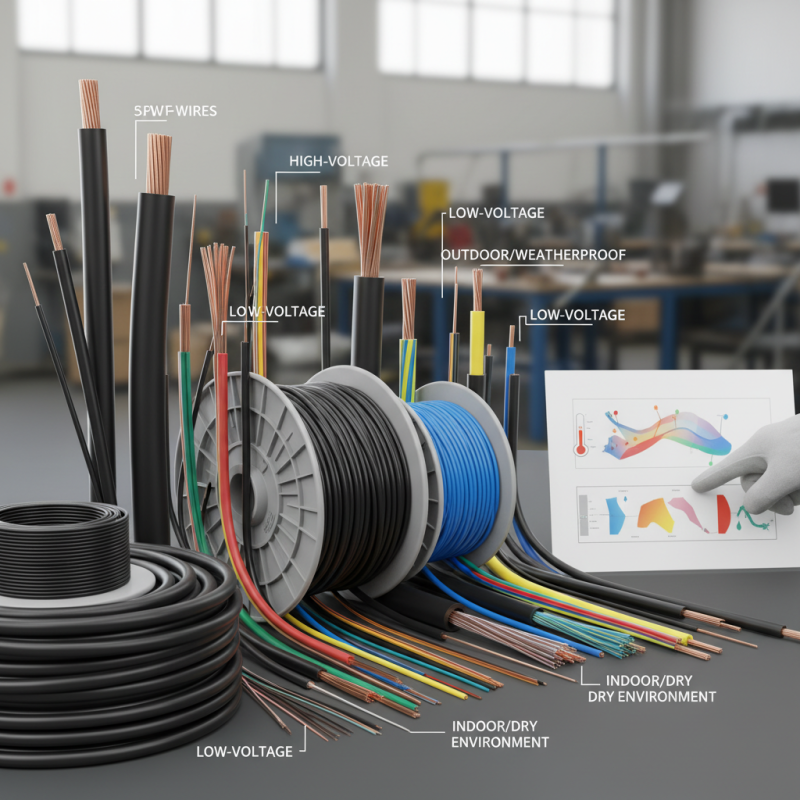
Cable wire comes in different types and gauges. Each type serves a distinct purpose. For instance, thicker wires are better for high-voltage applications. Conversely, thinner wires work well in low-voltage scenarios. Knowing the differences can prevent costly mistakes and accidents.
Consider the environment where the cable wire will be used. Factors like temperature and moisture play a major role. Some wires are better suited for outdoor use, while others excel indoors. Reflecting on these details ensures a successful outcome.
Factors to Consider When Selecting Cable Wire for Electrical Projects
When selecting cable wire for your electrical projects, several critical factors must be considered. Wire gauge plays a vital role in determining how much current a wire can carry. For instance, a 12 AWG wire typically handles up to 20 amps, while a 14 AWG wire is limited to 15 amps. Misjudging this can lead to overheating or circuit failure. Always refer to the National Electrical Code (NEC) guidelines when determining your wire size.
Insulation type is equally crucial. Different materials, such as PVC, THHN, or rubber, offer varying degrees of heat resistance and durability. According to industry reports, projects in harsh environments often require wires with better insulation to prevent premature failure. For instance, a study found that environments with high moisture levels can significantly reduce the lifespan of inadequately insulated wire.
Another vital aspect is voltage rating. Ensure the wire can handle the system voltage safely. Using wire rated lower than the system's voltage can increase the risk of electrical fires. Choosing the correct wire requires balancing several factors, including ampacity, insulation, and voltage. Taking the time to evaluate these considerations will lead to safer, more reliable electrical installations.
How to Choose the Right Cable Wire for Your Projects? - Factors to Consider When Selecting Cable Wire for Electrical Projects
| Cable Type |
Wire Gauge (AWG) |
Max Current (A) |
Voltage Rating (V) |
Insulation Type |
| THHN |
12 |
20 |
600 |
PVC |
| NM-B |
14 |
15 |
300 |
Non-metallic |
| UF |
12 |
20 |
600 |
PVC |
| SJOOW |
10 |
30 |
300 |
Rubber |
Understanding Cable Wire Specifications: Gauge, Insulation, and Material
Choosing the right cable wire for your projects requires an understanding of its specifications. One crucial aspect is gauge. The American Wire Gauge (AWG) system indicates wire thickness. For instance, a lower gauge number means a thicker wire, which can handle more current. According to the National Electrical Code (NEC), using inappropriate gauge wire can result in overheating and fire hazards.
Insulation type is equally important. Different insulation materials are rated for different environments. PVC insulation is common in residential wiring, while thermoplastic elastomer (TPE) offers better flexibility and temperature resistance. A study by the International Association of Electrical Inspectors emphasizes proper insulation to ensure safety and reliability. Choosing the right material can greatly influence performance and lifespan.
The wire's material also impacts durability. Copper is excellent for conductivity but can be pricey. Aluminum is lighter and more cost-effective, yet less efficient. According to Industry Research Reports, using aluminum can lead to higher energy costs over time. Project specifications should guide wire selection to prevent costly mistakes. Balancing these factors is essential for success.
Common Applications of Different Cable Types: Residential vs. Industrial Use
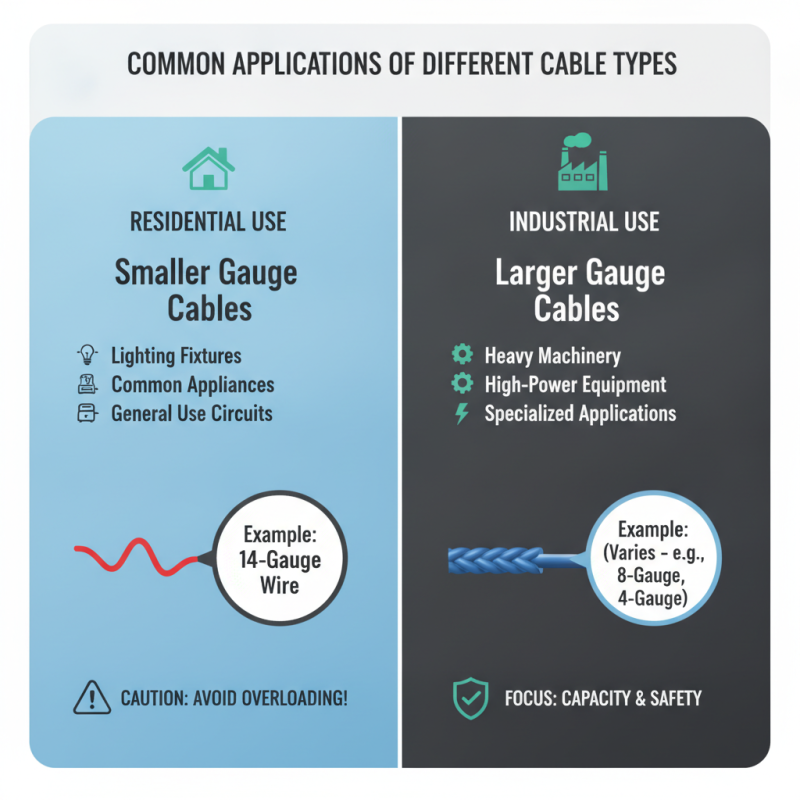
When choosing cable wires, applications differ significantly between residential and industrial settings. In homes, basic wiring often involves smaller gauge cables. These cables support lighting fixtures and common appliances. For example, 14-gauge wire is typical for most household circuits. It offers enough capacity for general use, but careful evaluation is essential. Overloading circuits can lead to hazards.
In industrial environments, the scenario changes drastically. Heavy machinery and high-voltage applications require robust cables. For instance, thicker cables like 4-gauge or even 2-gauge are often necessary. These can withstand higher currents and harsh conditions. However, installation can be complex. It’s crucial to consider factors like insulation types and environmental exposure. Poor choices may result in equipment failure or safety issues.
Understanding the nuances of cable types can prevent costly mistakes. Regular updates in industry standards highlight the importance of ongoing learning. Both residential and industrial applications require thoughtful consideration. Always reflect on the long-term implications of your choices. Sometimes, the cheapest option may not be the best. Prioritizing quality ensures reliability and safety for any project.
Safety Standards and Certifications for Cable Wires in Various Projects
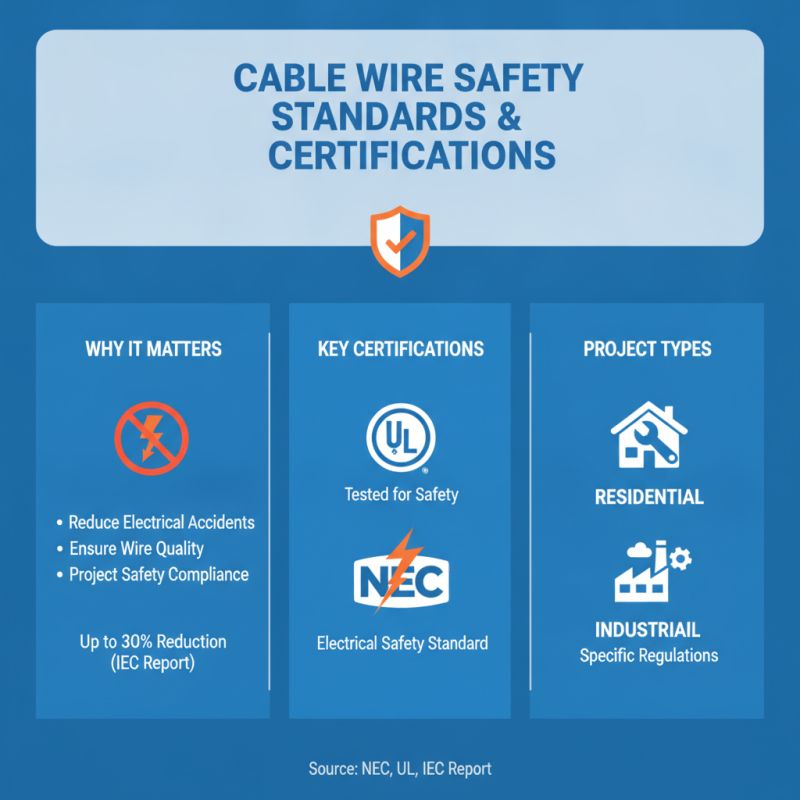
When selecting cable wires for projects, safety standards and certifications are paramount. Various projects, whether residential or industrial, require adherence to specific safety regulations. The National Electrical Code (NEC) and Underwriters Laboratories (UL) certifications are crucial in ensuring wire quality. According to a report by the International Electrotechnical Commission (IEC), compliance with standards can reduce electrical accidents by up to 30%.
The type of insulation is equally important. Some cables are rated for higher temperatures, while others are designed for damp environments. The Occupational Safety and Health Administration (OSHA) emphasizes that using the right insulation can prevent insulation failure, which is a common hazard. Projects using PVC-insulated cables might face more risks than those using thermoplastic elastomer (TPE) insulations in outdoor settings.
Tips: Always check the certification label before purchase. Ensure the wire can handle the intended load. Consider the project's specific environmental conditions. Each choice impacts safety and durability. Don't overlook the potential risks of non-compliant wires. Opting for cables meeting high safety standards provides a margin of safety.
Cost-Benefit Analysis: Choosing the Right Cable Wire for Your Budget
When selecting the right cable wire for your project, a cost-benefit analysis is crucial. Evaluate your budget against the specific needs of your project. Different cables serve various purposes. You must weigh the initial cost against the long-term benefits. High-quality cables may cost more upfront, but their durability can save money over time.
Consider installation and maintenance complexities. Cheaper cables often require more frequent replacements. This can lead to hidden costs. Simple mistakes can occur, like underestimating the power needs or environmental factors. These oversights can lead to higher expenses later.
Remember to factor in safety considerations as well. Using the wrong cable can pose risks. Evaluate your project's specific requirements carefully. Assessing the right cable wire is not just about budget; it's about reliability and safety. Your choice impacts both immediate performance and long-term success.
Cost-Benefit Analysis: Choosing the Right Cable Wire for Your Budget



 +86 13777722188
 WHATSAPP
 PHONE
PHONE E-MAIL