Why Choose Insulated Cable for Your Electrical Projects?
Electrical projects require careful consideration of materials. One vital component is the choice of insulated cable. Insulated cable ensures safety and efficiency in electrical installations. This type of cable protects against electrical shock and short circuits. It also minimizes energy loss, enhancing overall performance.
When selecting insulated cable, understanding its benefits is essential. Proper insulation prevents damage and prolongs the lifespan of electrical systems. It's crucial to choose the right type for your project needs. Many clients often overlook the importance of insulation. This can lead to issues, such as decreased performance and increased risks.
Being aware of the right insulation is key. Different environments call for specific types of insulated cable. For example, outdoor projects may need UV-resistant insulation. Understanding these details can make a significant difference in safety and reliability. Never underestimate the impact of proper cable selection.
Benefits of Using Insulated Cable in Electrical Installations
Insulated cable plays a crucial role in electrical installations, offering numerous advantages. One significant benefit is enhanced safety. According to industry reports, improperly insulated wires contribute to 30% of electrical fires. Insulated cables mitigate this risk, providing a barrier that prevents short circuits and electrical shocks. The insulation material acts as a shield, effectively isolating the current and ensuring safe operation.
Another advantage is improved energy efficiency. Data shows that insulated cables can reduce energy loss by as much as 15%. This efficiency translates to lower electricity bills for businesses and homeowners. In energy-intensive environments, even a minor reduction in energy loss can lead to substantial cost savings over time. Furthermore, insulated cables are designed to withstand various environmental factors, leading to increased product longevity. This durability is essential, especially in industrial settings where equipment faces harsh conditions.
While the benefits are clear, it's essential to consider installation quality. Poor installation can compromise the insulation effectiveness, leading to potential hazards. Therefore, investing in skilled technicians is crucial for leveraging the full benefits of insulated cables. Not every installation achieves optimal results, prompting ongoing discussions about best practices in the industry.
Understanding the Thermal Performance of Insulated Cables in Projects
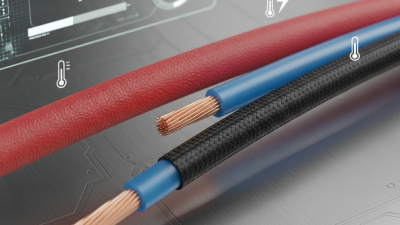
When undertaking electrical projects, the choice of insulated cables is critical. These cables are designed to provide thermal protection, which directly impacts the performance and safety of electrical systems. The insulation serves as a barrier against heat generation, preventing potential overheating. This is particularly important in high-load applications where excessive heat can lead to failure.
Understanding the thermal performance of insulated cables requires careful consideration. For instance, the type of insulation material plays a vital role in heat resistance. Some materials can withstand higher temperatures better than others. Additionally, the thickness of the insulation can affect how well it insulates against heat loss. This directly influences energy efficiency.
It is essential to remember that not all projects require the same level of thermal performance. Sometimes, people underestimate the significance of selecting the right cable for specific environments. Inadequate insulation can lead to unexpected failures over time. Reflecting on past projects can reveal lessons learned regarding thermal management. This awareness can guide future choices, ensuring the reliability of electrical systems.
Key Industry Standards and Certifications for Insulated Cable Types
When it comes to insulated cables, understanding industry standards and certifications is crucial. Different types of insulated cables come with varying ratings, which ensure safety and performance. For example, National Electrical Code (NEC) compliance indicates that the cables adhere to safety regulations. This compliance is essential for preventing electrical hazards in residential and commercial projects.
Look also for certifications like Underwriters Laboratories (UL) and Canadian Standards Association (CSA). These marks guarantee that cables have undergone rigorous safety testing. It's not enough for cables to simply be insulated; they must meet specific requirements for various applications. Using a cable without the right certifications can lead to serious risks. Make informed choices based on the intended use of the cable and its rated capacity.
Though many installers may overlook these certifications, doing so can jeopardize the entire project. Reflect on the long-term implications of using subpar materials. Investing in quality insulated cables, backed by recognized standards, supports overall project reliability and safety. Prioritize knowledge of these certifications to ensure that your electrical projects are sound and enduring.
Cost Efficiency: Long-term Savings with Insulated Electrical Wiring
Insulated cables are becoming a preferred choice for electrical projects. They offer cost efficiency over time, making them a wise investment. Insulation helps prevent energy loss, which translates to lower electricity bills. While the initial cost may be higher, the long-term savings can be significant.
Tips for maximizing savings: Select the right gauge for your project. Using the appropriate size reduces energy waste. Additionally, consider installation techniques. Proper installation can prevent damage and future repairs, leading to more savings.
Another point to ponder is the environmental benefit. Insulated cables minimize energy waste, which is crucial for sustainability. They also enhance safety due to their protective coating, reducing the risk of electrical shock or fire hazards. Remember to regularly inspect your wiring for signs of wear. This can help maintain performance and ensure safety, prompting reflection on ongoing maintenance practices.
Applications of Insulated Cables in Residential and Commercial Settings
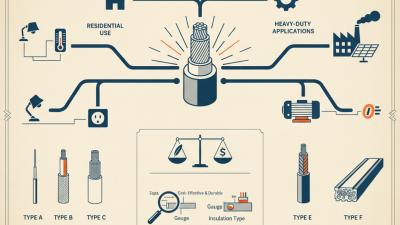
Insulated cables play a vital role in both residential and commercial settings. In homes, they are essential for wiring systems. Proper insulation prevents electrical shorts and reduces fire hazards. It’s crucial to use well-insulated cables, especially in areas prone to moisture. For example, kitchens and bathrooms have unique electrical needs. Here, using the right insulation can protect against corrosion.
In commercial spaces, insulated cables are equally important. They support larger electrical systems and heavy machinery. Many businesses rely on these cables for efficient power supply. The insulation ensures safety and reliability, which is paramount in industrial environments. Yet, not all installations are flawless. Sometimes, inadequate installation practices can lead to issues. These mistakes highlight the importance of professional assessment and installation. Ensuring the right type of insulation can significantly enhance safety and efficiency in any project.
Why Choose Insulated Cable for Your Electrical Projects?
| Application |
Type of Insulated Cable |
Typical Voltage Rating |
Common Uses |
| Residential Wiring |
Non-Metallic Sheathed Cable (NM) |
600V |
Lighting, outlets, and appliances |
| Commercial Buildings |
Flexible Cables |
300/500V |
Power tools and temporary installations |
| Industrial Equipment |
Thermoplastic Rubber (TPR) |
600V |
Heavy machinery and manufacturing systems |
| Outdoor Installations |
UF (Underground Feeder) |
600V |
Landscape lighting and outdoor outlets |
| Renewable Energy Systems |
Solar- Rated Cables |
600V |
Solar panel connections and wind turbine systems |



 +86 13777722188
 WHATSAPP
 PHONE
PHONE E-MAIL