What is Concentric Aluminum Cable and its Applications?
Concentric Aluminum Cable is becoming increasingly popular in the electrical industry. Its design allows for efficient power distribution, making it an attractive choice for utilities. According to a recent industry report, the global demand for concentric cables is projected to grow significantly, driven by advancements in energy infrastructure.
This cable type features multiple layers of aluminum conductors. It allows for a reduced distance between power lines, enhancing the overall electromagnetic efficiency. This is especially relevant as the energy sector pushes towards sustainable practices. Moreover, the lightweight properties of Concentric Aluminum Cable facilitate easier installations in urban environments.
However, challenges remain. While Concentric Aluminum Cable offers numerous benefits, potential issues like installation complexity should be addressed. Ensuring proper connections is crucial for maximizing performance. Overall, with the growing focus on efficiency, this cable type stands to play a vital role in future energy solutions.

Definition and Characteristics of Concentric Aluminum Cable
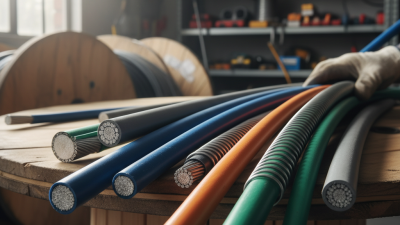
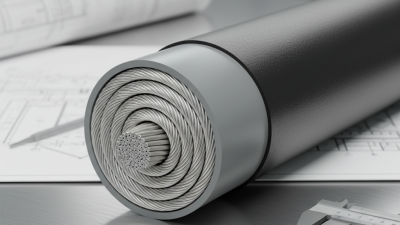
Concentric aluminum cable is an innovative solution in electrical conductivity. It features layers of aluminum conductors, arranged concentrically. This design enhances its efficiency and reduces electrical losses. The central core often contains a single conductor, while multiple layers wrap around it. The result is a lighter, more flexible cable that is easier to install.
One characteristic of concentric aluminum cable is its excellent conductivity. Compared to traditional copper cables, aluminum offers a favorable weight-to-strength ratio. There is a growing need for lightweight solutions in various applications. Despite its advantages, challenges remain. The susceptibility to corrosion in certain environments can affect performance over time.
Applications extend across power distribution networks and telecommunications. These cables are ideal for underground installations. However, installations must consider environmental factors. Proper planning and periodic inspections can mitigate potential issues. Users should remain aware of their specific needs when selecting cable types. Engaging in informed discussions can help tailor solutions effectively.
Concentric Aluminum Cable Applications and Characteristics
Applications of Concentric Aluminum Cable in Power Distribution
Concentric Aluminum Cable is an essential component in power distribution systems. Its unique design features multiple layers of aluminum conductors arranged concentrically. This structure enhances its flexibility and conductivity. It also allows for easy installation in tight spaces, making it popular for underground systems.
Applications of Concentric Aluminum Cable span various sectors. Utilities often use it in urban settings where space is limited. Its lightweight nature reduces installation challenges. Additionally, it minimizes energy loss during power transmission, which contributes to efficiency.
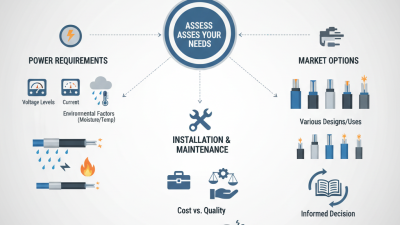
Tips: When choosing Concentric Aluminum Cable, consider the installation environment. Ensure it’s suitable for your specific power requirements. Understanding local regulations on cable installation is crucial. Also, plan ahead for potential upgrades to your power system.
This cable type can also be beneficial in renewable energy projects. Solar and wind energy systems increasingly incorporate it due to its efficiency. However, not all projects may need this specific type of cable. It’s important to evaluate the specific needs of your power distribution setup before deciding.
Advantages of Using Concentric Aluminum Cable Over Traditional Options
Concentric aluminum cable offers several distinct advantages over traditional cable options. One major benefit is its ability to minimize electromagnetic interference. The design allows for a balanced phase arrangement, which enhances its performance in various environments. This feature is particularly beneficial in urban areas with high electrical demands.
Another advantage lies in its lightweight nature. Aluminum is lighter than copper, making installation easier and reducing labor costs. The concentric design also permits easier bending and routing during installation, which can save time on site. Many professionals appreciate how this cable type maintains flexibility without sacrificing strength.
However, while concentric aluminum cables have many benefits, they have limitations that professionals must weigh. Some installations may require additional specific connectors or components, which can complicate the overall project. Depending on the environment, corrosion might also be a concern, requiring careful consideration. Balancing these factors is crucial for ensuring long-term performance in electrical systems.
What is Concentric Aluminum Cable and its Applications? - Advantages of Using Concentric Aluminum Cable Over Traditional Options
| Dimension |
Concentric Aluminum Cable |
Traditional Cable Options |
| Material Weight |
Lightweight |
Heavier |
| Conductivity |
High |
Moderate |
| Installation Complexity |
Easier |
More Complex |
| Durability |
Highly Durable |
Less Durable |
| Cost Efficiency |
Cost-Effective in Long Run |
Higher Maintenance Costs |
| Applications |
Residential, Industrial, Utility |
Limited Applications |
Installation and Maintenance Considerations for Concentric Aluminum Cable
When working with concentric aluminum cable, installation and maintenance are crucial for optimal performance. Proper installation begins with selecting the right tools. The tools must fit the specifications of the cable. Any deviation might lead to complications later. For instance, using the wrong connectors can cause potential failures.
During installation, the cable should not be twisted or bent excessively. Sharp bends can weaken its structure. It’s essential to follow the manufacturer’s guidelines closely. Regular inspections after installation are also vital. Check for corrosion or any signs of wear. These issues could compromise the cable’s integrity over time.
Maintenance routines should be clearly defined and documented. Regular cleaning can prevent dirt accumulation. However, be cautious with cleaning methods; some might be too abrasive. Consider how the surrounding environment affects the cable. Weather conditions can impact its lifespan significantly. Keeping a record of inspections helps identify patterns that may require attention. Continuous improvement in practices is key.
Future Trends and Innovations in Concentric Aluminum Cable Technology
The future of concentric aluminum cable technology looks promising. Industry reports project significant growth in its adoption rates, particularly in urban infrastructure and renewable energy projects. The global market for aluminum cable is expected to reach $2.5 billion by 2027, driven by its lightweight, cost-effective nature, and energy efficiency.
Innovations are emerging in cable design to improve performance. Enhanced conductivity and reduced electromagnetic interference are key focus areas. New manufacturing techniques are being developed to ensure better reliability. However, challenges remain. The need for improved insulation materials and protection against environmental factors can affect longevity. Industry leaders highlight the importance of addressing these weaknesses for broader acceptance.
Another notable trend is the integration of smart technology in concentric cables. Real-time monitoring systems can detect faults quickly, enhancing safety. These advancements pave the way for smarter electrical grids. Yet, there is still a gap in implementing these technologies in older infrastructures. It raises questions about retrofitting existing systems. Overall, the path forward is exciting, yet more research is needed to fully realize its potential.



 +86 13777722188
 WHATSAPP
 PHONE
PHONE E-MAIL