What is Solar Cable and How to Choose the Right One?
In recent years, the solar energy sector has witnessed unprecedented growth, driven by a push for renewable energy sources. Solar cables play a critical role in ensuring the efficient transmission of electricity generated by solar panels. A report by the International Energy Agency indicates that global solar capacity has reached over 900 gigawatts, highlighting the increasing importance of reliable solar infrastructure.
Choosing the right solar cable is essential for optimizing system performance and safety. High-quality cables can withstand harsh environmental conditions and reduce energy losses. However, with numerous options available, selecting the correct type can be overwhelming. Factors such as temperature ratings, insulation materials, and compliance with industry standards need careful consideration.
Despite the importance of solar cables, there may be misunderstandings about their specifications. Many users overlook the significance of appropriate sizing and material, which can lead to inefficiencies. Adopting a comprehensive approach to selection helps ensure that solar installations operate at peak efficiency, thus enhancing the overall sustainability of solar energy systems.
What is Solar Cable and Its Role in Solar Power Systems?
Solar cables play a crucial role in solar power systems. They connect solar panels to inverters and batteries. This connection ensures the efficient transfer of electricity produced by solar panels. Quality cables are essential for optimal system performance. Poor quality cables can lead to energy loss and potential hazards.
When choosing solar cables, consider factors like insulation and temperature ratings. The insulation material affects durability and resistance to environmental conditions. For instance, cables exposed to UV radiation need strong insulation. Also, larger gauge cables can reduce resistance, enhancing efficiency.
It's important to reflect on the installation process as well. A poorly installed cable can result in defects, affecting the system's overall performance. Regular inspections can help identify issues early. Strive to balance between cost and quality when selecting solar cables. Making informed choices will improve the longevity of your solar power system.
Solar Cable Types and Their Applications
Key Components of Solar Cables: Types and Specifications
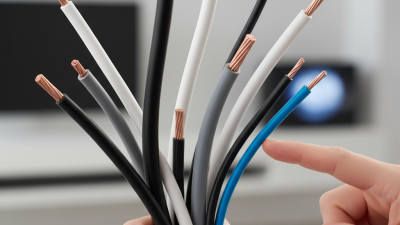
When selecting solar cables, it is crucial to understand the types and specifications available. Solar cables typically fall into two categories: photovoltaic (PV) cables and AC cables. PV cables are designed for direct current (DC) applications and are essential for connecting solar panels to inverters. These cables have durable insulation that can withstand harsh environmental conditions.
The specifications of solar cables are key to their performance. For instance, the American National Standards Institute (ANSI) recommends that solar cables comply with UL 4703 standards. According to a recent study by IHS Markit, the global market for solar cables is expected to grow by 10% annually. Copper and aluminum are the most common materials used, but copper is often preferred due to its superior conductivity, despite being more expensive.
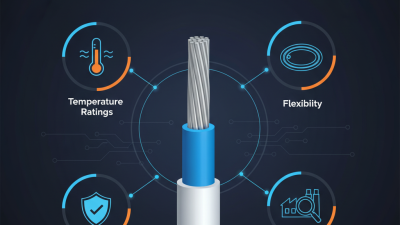
Another important factor is the cable's temperature rating and UV resistance. Many cables are rated for temperature ranges between -40°C to 90°C. However, not all installations will see such extremes. Some cables may degrade faster in high-temperature environments. Proper installation practices and ongoing maintenance can significantly influence the cable's lifespan and efficiency. Ensuring that cables are compatible with local regulations will alleviate future issues.
Factors to Consider When Choosing Solar Cables
When selecting solar cables, several factors must be considered. The insulation type is crucial. It should withstand UV light and extreme temperatures. Many cables use XLPE or PVC insulation for durability. Choosing the right insulation can prevent degradation over time.
Cable size is another important aspect. Larger cables can handle more current but may be harder to install. Heavier cables are less flexible. Assess your installation area to strike a balance between flexibility and performance. Also, check the current and voltage ratings to ensure compatibility with your solar system.
Tips: Think about cable length as well. Longer cables may result in voltage drop. Measure your setup before purchasing. Always opt for cables that meet relevant safety standards. Not all cables are the same; research each option.
Mind weather conditions in your area. If you face harsh weather, choosing thicker cables may be beneficial. This can lead to a better lifespan and reliability. Be open to reassessing your choices. Sometimes popular options may not meet unique needs.
Common Applications of Solar Cables in Renewable Energy
Solar cables are essential in renewable energy systems, especially in solar power. They connect solar panels to inverters and other components. Choosing the right solar cable can significantly impact the efficiency and safety of the entire system.
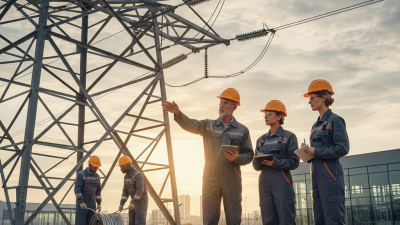
One common application of solar cables is in residential solar installations. These cables often run from rooftop panels to inverters located on the ground or in garages. They need to withstand harsh weather. From intense sunlight to rain and snow, durability is key. Another application is in commercial solar farms. Here, large-scale connections require cables that can handle high voltage and current. These cables not only enhance energy transfer but also ensure the longevity of the installation.
However, not every installation is perfect. Many people overlook the importance of cable sizing. Using inappropriate cable sizes can lead to energy losses and safety hazards. It’s necessary to calculate distance and load correctly. The environment also plays a role. In areas with extreme conditions, specialized cables might be needed. Every choice matters, and awareness of these factors is crucial for long-term success in solar energy initiatives.
Maintenance Tips for Ensuring Longevity of Solar Cables
Maintaining solar cables is crucial for maximizing their lifespan and efficiency. According to a report by the National Renewable Energy Laboratory, improper cable maintenance can shorten their life span by up to 50%. To ensure longevity, periodic inspections are essential. Look for signs of wear, such as fraying or discoloration. Pay attention to the connections as well. Loose connections can lead to overheating, which may damage the cables.
Environment plays a significant role in cable maintenance. In areas with high UV exposure, protect cables with suitable barriers. Additionally, avoid routing cables through places with excessive moisture. A study showed that moisture can lead to corrosion and reduce efficacy significantly. Regularly cleaning cables can help eliminate dirt and debris that may affect performance.
Lastly, ensure proper installation. Many issues arise from incorrect setups. If cables are excessively bent or twisted, it can create stress points. These stress points may lead to premature failure. While it is easy to overlook these factors, addressing them proactively can yield better results in the long run. Keep in mind that maintaining solar cables is an ongoing process, not a one-time task.



 +86 13777722188
 WHATSAPP
 PHONE
PHONE E-MAIL