Top Tips for Choosing the Right Electrical Cable for Your Needs?
When it comes to selecting the right electrical cable for your specific needs, the process can feel overwhelming. There are many options available, each designed for different applications. Understanding the basics can help you make an informed choice.
Selecting electrical cable requires considering several factors. The type of insulation, gauge, and purpose all play crucial roles. For instance, a thicker cable can carry more current, while the insulation protects against environmental damage. However, it’s essential to remember that not all cables are created equal. What works for one project may not suit another.
Many people overlook the importance of consulting professionals. Sometimes, it's best to seek advice from experienced electricians. This can save time and ensure safety. While DIY projects can be rewarding, they often necessitate informed decisions about electrical cable selection. Evaluating your needs and seeking expert knowledge can lead to better outcomes.
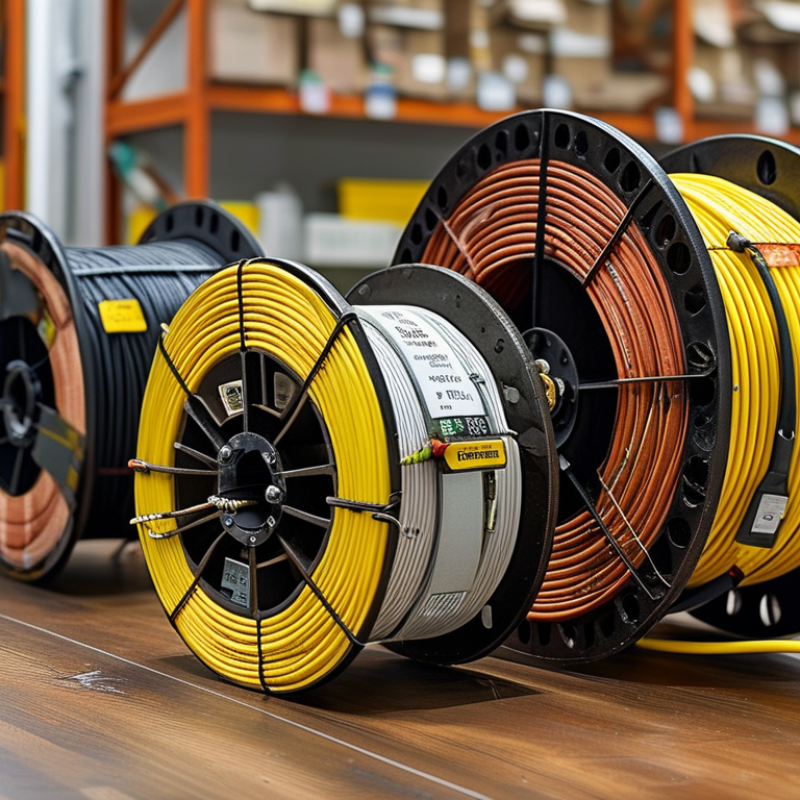
Understanding the Different Types of Electrical Cables Available
When choosing an electrical cable, understanding the different types is crucial. Various cables are suited for different applications, from residential wiring to industrial use. For example, PVC cables are common for indoor applications, while armored cables are preferred for outdoor settings. Each type has unique strengths.
Consider the insulation material. Different environments require specific materials to ensure safety and durability. Fiberglass insulation can withstand harsh conditions, while rubber insulation offers flexibility in tight spaces. When selecting a cable, evaluate its voltage rating. This helps ensure the cable meets your power needs without risk.
Tips for choosing the right cable include checking the gauge. Thicker cables can handle more current but may be less flexible. Assessing the length required can also impact your choice. Always allow for some extra length in case of future needs. Lastly, make sure to consult local electrical codes to remain compliant.
Factors to Consider When Selecting Electrical Cables for Your Project
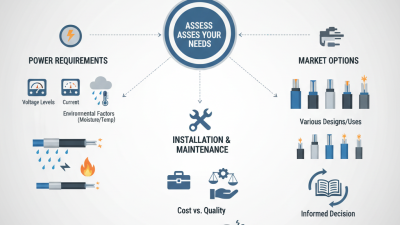
Choosing the right electrical cable is critical for any project. When selecting cables, consider voltage, ampacity, and application. Different cables suit different environments. For instance, indoor installations may need less insulation than outdoor ones exposed to moisture.
You'll also want to look at the cable's flexibility. Some projects require cables that bend easily. This flexibility can ensure a neat and safe installation. Pay attention to the conductor material, too. Copper wires are common, but aluminum options might suit specific needs better.
Think about the length of the cable run as well. Longer runs may need thicker cables to prevent voltage drop. It’s easy to overlook this, yet it significantly impacts performance. Lastly, always check safety ratings and certifications. These indicators show whether the cable meets industry standards. Don't just rely on recommendations; verify the specifications to ensure reliability.
Evaluating the Specifications: Voltage Rating, Current Rating, and More
When choosing electrical cables, understanding specifications is vital. Voltage rating is the first key factor to consider. This rating indicates the maximum voltage the cable can safely handle without breaking down. For example, a cable rated for 600 volts is suitable for many residential applications. If you choose a cable with a lower voltage rating, you potentially risk safety hazards.
Another important specification is the current rating. This rating tells you how much current a cable can carry without overheating. It is usually expressed in amperes. If your application requires a higher current than the cable's rating, it might overheat and cause damage. Selecting the right gauge is crucial here. A cable that is too thin will not suffice for high-current devices.
You might also need to consider insulation type and environmental factors. Cables can be used indoors, outdoors, or underground. Each application may require a different type of insulation. If not considered, this could lead to premature failure. Many people overlook these details, leading to costly mistakes. Evaluating these specifications helps ensure a safe and reliable electrical installation. Always reflect on your needs before making a decision.
Safety Standards and Regulations for Electrical Cable Selection
When selecting electrical cables, safety standards and regulations are critical. Understanding the local codes helps to ensure compliance. Local regulations often dictate cable types, sizes, and installation methods. Adhering to these codes prevents electrical hazards and improves safety.
Consider the environment where the cable will be installed. For example, cables used outdoors should be rated for UV exposure and moisture resistance. Indoor cables must meet requirements for fire safety. Insulation types also vary based on intended use. Some environments demand cables with higher thermal resistance.
Choosing the right cable involves more than just following guidelines. Reflect on energy requirements and potential overload issues. Overloaded cables can lead to failures or fires. Seek expertise if you are unsure about your selections. Consulting local electricians or regulatory bodies can guide safer choices. Remember, the right cable not only meets standards but also fits your unique needs effectively.
Top Tips for Choosing the Right Electrical Cable for Your Needs
| Cable Type |
Voltage Rating |
Current Rating |
Application |
Safety Standard |
| Single Core |
0-600 V |
Up to 32 A |
Domestic Wiring |
IEC 60228 |
| Multi-Core |
0-1000 V |
Up to 25 A |
Industrial Automation |
IEC 60502 |
| Armored |
0-1 kV |
Up to 80 A |
Outdoor/District Heating |
BS 5467 |
| Flexible |
0-450/750 V |
Up to 16 A |
Portable Equipment |
Harmonized (H05VV-F) |
Common Mistakes to Avoid When Choosing Electrical Cables
Choosing the right electrical cable can be daunting. Many people overlook key specifications. For example, the National Electrical Code (NEC) states that incorrect wire gauge can pose serious safety risks. Using inadequate wire can lead to overheating and potential fires. It's crucial to understand the ampacity of the cable. This ensures it can handle the electrical load without failure.
Another common mistake is ignoring insulation types. Different environments require specific insulation materials. PVC is typically good for indoor use. Yet, it may not withstand extreme temperatures or moisture. According to a report by the Institute of Electrical and Electronics Engineers (IEEE), proper insulation can significantly reduce the risk of cable damage, improving longevity.
People often underestimate the importance of proper application. Using a general-purpose cable for specialized tasks can lead to inefficiencies. For instance, using low-voltage cables for high-voltage setups is risky. A study revealed that 45% of electrical issues stem from improper cable selection. Failing to consider these factors can result in costly repairs and downtime.



 +86 13777722188
 WHATSAPP
 PHONE
PHONE E-MAIL