Top Mains Cable Options for Global Buyers in 2026?
The demand for Mains Cable is evolving in 2026. Global buyers seek options that combine reliability and efficiency. As technology advances, so do the needs of the market. Understanding the specifics of Mains Cable becomes crucial for informed decisions.
Durability is a key factor in selecting Mains Cable. Buyers should consider the material used. Premium cables often outperform cheaper alternatives in longevity. However, cost-effectiveness must not be ignored. It’s easy to focus solely on price, but quality plays a pivotal role.
Selecting the right cable is not always straightforward. Many brands claim superiority. Researching customer reviews and expert opinions can help. Buyers must navigate this landscape carefully. In an increasingly globalized market, knowing what to look for in Mains Cable is vital. It’s essential to weigh all choices and reflect on past experiences to avoid costly mistakes.
Overview of Mains Cable Types Available Globally in 2026
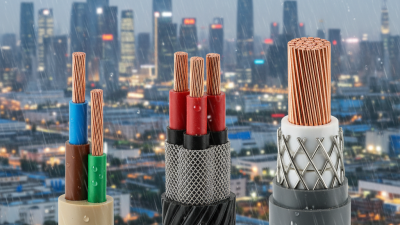
As we look toward 2026, the variety of mains cables available globally reflects the evolving needs of industries and consumers. Copper and aluminum cables remain the most popular choices due to their conductivity and durability. Users often choose copper for its superior performance, especially in critical applications. On the other hand, aluminum cables are lightweight and cost-effective. Their use is increasing, particularly in large-scale projects.
Innovation in insulation materials is also noteworthy. PVC and XLPE dominate the market, offering excellent thermal resistance and protection against environmental factors. However, there is room for improvement. Some cables may not perform well under extreme temperatures. Users should consider this when selecting a cable type. The demand for sustainability is growing. Eco-friendly cables are emerging, with biodegradable materials entering the market. Yet, these new options may still face challenges in terms of performance comparison.
Investors and buyers should stay informed about trends. Understanding various cable types and their applications can lead to better decision-making. There is no one-size-fits-all solution. Adaptability and knowledge of the materials are key to choosing the right mains cable. Buyers must weigh the pros and cons of each type carefully. This reflection fosters a deeper understanding of the choices available in 2026.
Top Mains Cable Options for Global Buyers in 2026
| Cable Type |
Voltage Rating |
Conductor Material |
Insulation Type |
Applications |
| PVC Insulated Cable |
0-1kV |
Copper |
PVC |
Residential, Commercial Wiring |
| XLPE Insulated Cable |
1-35kV |
Aluminum |
Cross-Linked Polyethylene |
Industrial Power Distribution |
| Rubber Insulated Cable |
0-1kV |
Copper |
Rubber |
Temporary Power Supply, Heavy Duty Usage |
| Low Smoke Zero Halogen (LSZH) Cable |
0-1kV |
Copper |
LSZH |
Public Buildings, Tunnels |
| Armored Cable |
0-1kV |
Aluminum/Copper |
PVC/XLPE |
Underground Installation, Cable Trays |
Key Factors Influencing Mains Cable Selection for Buyers
When selecting mains cables in 2026, buyers need to consider various crucial factors. According to industry reports, electrical conductivity and thermal resistance play significant roles in performance. Buyers often prioritize these attributes to ensure safety and efficiency. For instance, a cable with a higher copper content usually performs better in terms of conductivity, which impacts energy loss during transmission.
Another vital consideration is the cable's insulation type. Materials like PVC and XLPE offer different advantages. PVC is cost-effective but may not withstand extreme temperatures as well as XLPE. This difference in thermal properties can influence project durability. Buyers should understand their specific environmental requirements when making choices. Additionally, regulatory compliance remains a concern. Many markets impose stricter standards and certifications that must be met.
As global demand rises, understanding the market dynamics becomes essential. Factors such as local manufacturing capabilities and raw material availability shift frequently. Reports show a projected growth of 5.7% in the global cable market by 2026. This growth may lead to variability in pricing and availability, making it crucial for buyers to stay informed. Failing to adapt to these changes might result in suboptimal decisions affecting project timelines and budget.
Comparative Analysis of Top Mains Cable Brands in 2026
As global demand for electrical components grows, understanding
mains cable options becomes essential. Buyers in 2026 will need to navigate various
brands and products. An informed choice requires looking closely at
features like material quality,
insulation type, and voltage ratings.
Premium materials often enhance performance,
but they can also inflate costs. It's crucial to balance price
and quality for effective purchasing.
Another aspect to consider is safety standards.
Different regions have varying regulations. Buyers must research compliance
for every option they explore. This can be daunting as not all brands provide
clear information. Testing certifications
and user reviews can help clarify reliability. However, even the best brands can
have flaws. A recall due to safety issues is a reminder that no product is perfect.
Long-term reliability of cables should also be scrutinized. During evaluations,
consider warranty options. Some brands may offer extensive
warranties, indicating confidence in product durability. But vigilance is required;
warranties are not guarantees of performance. Thus, thorough comparisons
and assessments of user feedback become vital in making a well-rounded
decision for mains cable purchases in 2026.
Sustainability and Innovation Trends in Mains Cable Production
Sustainability in mains cable production is becoming a key focus. Many manufacturers are exploring eco-friendly materials. Innovations in biodegradable plastics are gaining traction. These materials could significantly reduce environmental impact.
Recyclability is another important trend. New technologies enable easier recycling of cables. This can help minimize waste in landfills. However, challenges remain in developing efficient recycling processes. Not all materials used today are easily recyclable. This poses a risk to sustainability goals.
Moreover, energy efficiency is pivotal in production methods. Manufacturers are investing in cleaner technologies. Yet, there is still a long way to go. Balancing cost with sustainability is complex. Buyers must consider these factors carefully when selecting cables. The move towards greener solutions is encouraging, but real progress requires ongoing effort and investment.
Regulatory Standards Impacting Mains Cable Choices Worldwide
The regulatory landscape for mains cables is evolving rapidly. Standards vary significantly by region, impacting global procurement strategies. For instance, the International Electrotechnical Commission (IEC) has outlined stringent guidelines that manufacturers must follow. Compliance ensures safety and efficiency in electrical systems.
According to a report by Markets and Markets, the global market for electrical cables is expected to grow to USD 210 billion by 2026. Factors driving this growth include increased infrastructure development and a shift toward renewable energy sources. These developments necessitate compliance with more rigorous environmental regulations. Additionally, recent studies indicate rising demand for cables that meet specific environmental criteria, such as reduced toxicity and better recyclability.
In Europe, the RoHS Directive is influencing cable material choices significantly. Manufacturers are being urged to phase out hazardous materials. This shift has led to more innovation in cable production, but also raised concerns about performance trade-offs. For example, some alternatives may not offer the same durability as traditional materials. Overall, understanding these evolving standards is crucial for global buyers in making informed choices.



 +86 13777722188
 WHATSAPP
 PHONE
PHONE E-MAIL