2026 Top Wire Cable Types for Global Buyers to Consider?
The global wire cable industry is rapidly evolving. As demand for reliable and innovative solutions increases, buyers must stay informed. According to a recent report by Markets and Markets, the wire cable market is projected to reach $300 billion by 2026. This growth reflects the significance of a diverse range of products available to global buyers.
Experts emphasize the importance of selecting the right type of wire cable for specific applications. Dr. Emily Carter, a leading authority in the electrical components field, stated, "Understanding different wire cable types can greatly enhance operational efficiency." Her insights highlight the need for buyers to familiarize themselves with various options.
While the wire cable market presents numerous choices, buyers often face challenges. Identifying the appropriate specifications can be complex. Many customers overlook essential details, leading to suboptimal decisions. For instance, not all materials are suited for outdoor use. Making informed choices is crucial for achieving the desired performance and longevity of wire cable products.
Overview of Wire Cable Types Available in 2026
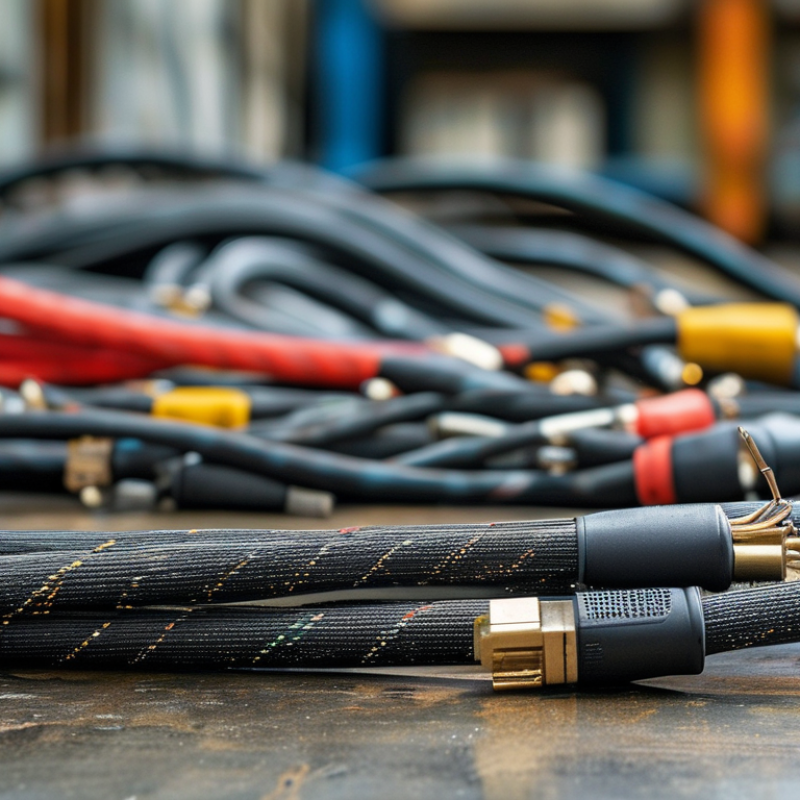
In 2026, various wire cable types are set to dominate the market. The growing demand for efficient and durable wiring solutions highlights these options. Copper cables will continue to be a top choice due to their excellent conductivity. They remain reliable for power distribution. However, their cost can be a concern for some buyers.
Fiber optic cables are gaining popularity as data transmission needs increase. These cables offer high-speed communication over long distances. Yet, they require careful handling and installation. Not all environments are suitable for fiber optics. This makes understanding your requirements crucial.
Another important type is aluminum cables. They are lighter and cheaper than copper but have lower conductivity. Aluminum can be less reliable in some applications, which may prompt buyers to rethink their choices. The challenge lies in balancing cost with performance while considering future needs. With so many wire cable types available, buyers must carefully evaluate their options.
Key Characteristics of Essential Wire Cable Types
In the evolving landscape of wire cables, understanding essential types is crucial for global buyers. Copper and aluminum cables are highly prevalent. Copper wires offer excellent conductivity, making them ideal for electrical applications. In contrast, aluminum wires are lighter and cost-effective. They possess around 61% of the conductivity of copper, but their lower weight makes them attractive for overhead transmission lines.
The International Wire and Cable Manufacturers Association reports that in 2022, the global wire and cable market was valued at approximately $200 billion, with a projected growth rate of 5.3% through 2026. Buyers must also consider fiber optic cables, vital for high-speed internet. Their ability to transmit data over long distances without signal loss is unmatched. However, they are more fragile than traditional copper cables, requiring careful handling.
Thermoplastic and thermoset cables are also noteworthy. Thermoplastic cables are flexible and resistant to chemicals, whereas thermoset cables are known for their durability and thermal resistance. Both types serve unique applications, like automotive or industrial use. This complexity in wire types emphasizes the need for buyers to match product characteristics with specific project demands.
Comparative Analysis of Applications for Each Cable Type
When choosing wire cable types, it’s essential to evaluate their applications carefully. For instance, copper cables remain a top choice for high conductivity needs. They are widely used in telecommunications and power distribution. According to industry reports, copper cables account for about 70% of the market due to their reliability.
Aluminum cables, while lighter and more cost-effective, are less conductive than copper. They are increasingly used in overhead power lines, where weight and cost are critical factors. Some studies indicate that aluminum cables can reduce installation costs by up to 30%. However, their reliability over long distances remains a concern.
For buyers, understanding the specific application is vital. Always consider voltage drop and load capacity. Evaluate the environmental conditions your cables will face. For indoor applications, PVC-coated cables work well. For outdoor use, consider cables that can withstand UV rays and extreme temperatures.
When selecting cable types, avoid solely depending on cost. Quality and suitability for your project are just as crucial. The best choice will depend on your specific needs and any future considerations.
Emerging Trends in Wire Cable Technology for Global Markets
Emerging technologies in wire cable design are shaping global markets. As industries evolve, buyers must pay attention to these changes. Innovative materials are now in focus. They enhance durability and reduce costs. For instance, new composites are lighter and more flexible than traditional materials. This shift addresses the demand for efficiency and sustainability.
Connectivity is another crucial trend. The rise of the Internet of Things (IoT) drives the need for improved wire cables. These cables must support higher data rates while being energy efficient. Additionally, advancements in insulation and shielding technologies protect against interference. However, some buyers may overlook the importance of compliance with standards. This oversight can compromise safety.
Manufacturers are also exploring eco-friendly production methods. While this is promising, the balance between performance and environmental impact requires careful reflection. Some products may not yet meet longevity expectations. As markets expand, buyers should remain vigilant. Exploring various options ensures informed decisions in a changing landscape.
Guidelines for Selecting the Right Wire Cable Type for Your Needs
Selecting the right wire cable type is crucial for project success. Consider your specific needs, whether for residential, commercial, or industrial applications. The global wire and cable market was valued at approximately $246 billion in 2022 and is projected to reach nearly $320 billion by 2026, according to industry reports. This growth indicates a rising demand for high-quality materials.
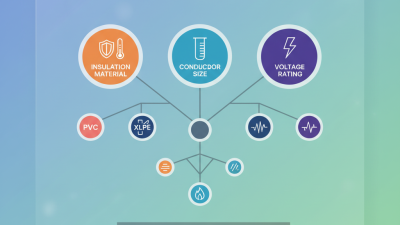
When choosing wire cables, pay attention to factors like conductivity, insulation type, and mechanical strength. Copper and aluminum are common materials, each with distinct properties. For higher conductivity, copper is typically preferred. However, aluminum is lighter and often more cost-effective.
Tips include evaluating environmental conditions and load requirements. Some cables perform poorly in extreme temperatures or humidity. If your project is location-sensitive, also consider compliance with local regulations. When faced with numerous options, remember that more expensive does not always mean better quality. Seek advice from professionals to grasp your unique requirements fully.
2026 Top Wire Cable Types for Global Buyers to Consider



 +86 13777722188
 WHATSAPP
 PHONE
PHONE E-MAIL