Why Choose Solar Wire for Solar Panel Projects?
Solar panel projects depend on more than efficient modules and a sunny roof. The cable connecting each panel must carry energy safely through heat, moisture, sunlight, and daily temperature changes. Solar Wire is designed for this demanding environment, offering durable insulation and resistance to ultraviolet exposure. It helps maintain stable electrical performance from the rooftop to the inverter.
Small details matter here. A cable may look ordinary, yet its jacket protects conductors from cracking and water penetration. Experienced installers also consider conductor size, voltage ratings, connector compatibility, routing, and installation temperature. A technically suitable Solar Wire can reduce energy losses and support dependable system operation for many years. However, wire selection alone cannot correct poor system design. It is not a magic fix.
Professional guidance remains important. Engineers and qualified installers should verify product documentation, applicable electrical requirements, and the project’s environmental conditions. Rooftop arrays, ground-mounted systems, and battery-connected installations may require different cable specifications. A reliable supplier should provide clear ratings, traceable manufacturing information, and recognized testing or certification evidence. Do not rely only on a low price.
There is also room for reflection. Some projects focus heavily on panel efficiency while overlooking cable routing and long-term exposure. That choice may create avoidable maintenance problems later. Inspectors often notice loose connections, excessive bending, or unsupported cable runs before obvious electrical failures appear. Careful planning at the beginning is usually less expensive than replacing damaged wiring under harsh sunlight. Choosing the right Solar Wire is a practical decision about safety, durability, and confidence in the complete solar installation.
What Solar Wire Is and How It Differs from Ordinary Electrical Cable
Solar wire is a purpose-built cable for photovoltaic systems, not simply a colorful electrical lead.
IEA PVPS Trends 2024 reported 456 GW of new solar capacity in 2023. That rapid expansion makes cable reliability more important on rooftops, carports, and utility-scale sites.
Solar wire usually uses fine-stranded copper with durable insulation and a sunlight-resistant outer jacket. It is designed to tolerate ultraviolet exposure, moisture, ozone, temperature swings, and repeated movement near connectors.
Standards such as IEC 62930, EN 50618, and UL 4703 define important performance requirements. Ordinary building cable may work inside protected walls, but it may degrade quickly in direct sun or wet conditions. That detail matters.
In field inspections, cable routing often causes more trouble than the cable itself. Sharp bends, unsupported runs, and contact with hot metal can damage insulation over time. A suitable solar wire still requires correct ampacity, voltage-drop calculations, connector compatibility, and secure installation.
IRENA’s Renewable Capacity Statistics 2024 recorded about 1,419 GW of global solar capacity at the end of 2023. With so many systems operating for decades, replacing ordinary cable with photovoltaic-rated wire is not excessive. Yet installers should avoid assuming every product carries identical durability. Ratings, test conditions, and installation quality deserve a closer look.
Key Materials and Construction Features of Solar Wire
Why Choose Solar Wire for Solar Panel Projects?
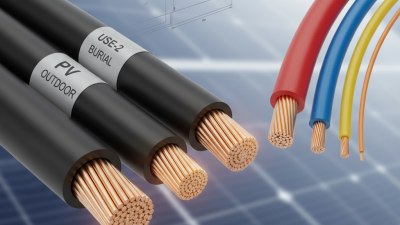
Solar wire is built for long outdoor service, not ordinary household use. Its conductor is usually stranded copper, which carries current efficiently and bends around panel frames. Tinned copper may resist moisture and oxidation better, especially in humid or coastal locations. The conductor sits inside tough cross-linked insulation, commonly based on XLPE or similar materials. This insulation withstands sunlight, ozone, rain, and wide temperature changes. It also reduces cracking when the cable is exposed to hot roofs and cold nights.
Construction matters as much as material. Solar wire often uses double insulation for added protection against abrasion and electrical faults. Its flexible strands simplify routing through clips, conduits, and junction boxes. Certified products should match the project’s voltage, current, temperature, and installation requirements. Standards such as EN 50618, IEC 62930, or UL 4703 can support product verification, but markings still need careful inspection. A cable may look excellent and still be unsuitable.
Tips: Check conductor size, insulation ratings, certification marks, and connector compatibility before installation. Keep cables away from sharp metal edges and standing water. Do not leave extra cable tightly coiled under direct sunlight. In practice, small routing mistakes can create heat or mechanical stress. I have found that neat installation improves inspection, although it does not replace electrical testing.
Why Choose Solar Wire for Solar Panel Projects?
Solar wire is designed for long-term outdoor service. Typical photovoltaic cable construction uses flexible stranded copper conductors, often tin-coated for corrosion resistance, with cross-linked polyolefin insulation and a durable outer jacket. The chart compares common conductor cross-sections with their calculated copper mass per kilometer.
Copper mass is calculated from a copper density of 8.96 g/cm³: cross-sectional area × 8.96 kg/km. Typical PV cable designs are rated up to 1,500 V DC and may use insulation systems suitable for approximately −40°C to +90°C ambient conditions, with conductor temperature ratings up to 120°C depending on the applicable cable standard and construction.
How Solar Wire Supports Safe and Reliable Panel Connections
Solar wire supports safe and reliable panel connections under heat, moisture, and ultraviolet exposure. Unlike ordinary building cable, it uses insulation designed for outdoor photovoltaic environments. IEC 62930 and UL 4703 specify requirements for photovoltaic cables, including voltage ratings, flame performance, and durability. Correctly rated insulation helps prevent cracking, leakage, and accidental contact with energized conductors.
Details matter. Cable routing should avoid sharp metal edges, standing water, and unnecessary tension. Proper connectors must match the cable size and remain fully locked. A loose crimp can create resistance, heat, and eventually a damaged connection. It may look acceptable during installation. That is the problem. The International Energy Agency Photovoltaic Power Systems Programme reported 456 gigawatts of new photovoltaic capacity in 2023, showing how many connections now operate outdoors worldwide. Small installation errors can therefore become large reliability risks.
Long service life also depends on disciplined inspection. Fraunhofer ISE’s Photovoltaics Report describes modern modules as designed for roughly 25 to 30 years of operation. Solar wire should support that timescale, not merely pass an initial test. Installers should check conductor size, bend radius, connector compatibility, and visible insulation damage. Cable selection alone cannot fix poor workmanship. That deserves more attention. Routine thermal imaging and torque verification can reveal weak connections before they cause faults, although inspection methods and local requirements still vary.
Environmental Conditions Solar Wire Is Designed to Withstand
Solar wire is designed for harsh outdoor exposure, not ordinary indoor wiring. IEC 62930 covers photovoltaic cables rated up to 1,500 volts DC, with conductors rated for 90°C operation. This rating matters beneath hot panels, where dark surfaces can intensify heat. In field installations, sunlight also attacks insulation through ultraviolet radiation. IEA PVPS Task 13 reports identify UV exposure, humidity, thermal cycling, and mechanical stress as major photovoltaic failure factors.
Moisture is another persistent threat. Rain can enter connectors, while condensation forms inside cable pathways during cool mornings. Proper solar wire uses weather-resistant insulation and maintains electrical protection after repeated wetting and drying. It must also tolerate ozone, abrasion, and temperature changes. NREL’s widely cited degradation review found median photovoltaic module degradation near 0.5% annually. Cable aging can quietly increase system risk before module output visibly changes.
Cold conditions matter too. Brittle insulation may crack during winter handling or sharp bends. High heat can accelerate material aging, especially where cables touch rooftops or rest beneath modules. Standards help, but they do not fix poor installation. A compliant cable can still fail early if installers exceed its bend radius, leave it in standing water, or allow sharp metal edges to rub against it. That is the uncomfortable part. Material selection and workmanship must be considered together.
Factors to Consider When Selecting Solar Wire for a Project
Why Choose Solar Wire for Solar Panel Projects?
Factors to Consider When Selecting Solar Wire for a Project
Solar wire must handle sunlight, rain, temperature changes, and daily electrical loads. A rooftop cable may sit under intense heat for years. Ordinary building wire can become brittle or unsafe in this environment. Choose conductors specifically rated for photovoltaic systems and outdoor, wet locations.
Check the system voltage, operating current, and expected temperature range before selecting a cable. The conductor size should limit voltage loss without creating unnecessary cost. Longer cable runs usually need larger conductors. Measure the route carefully, including bends and service loops. Small errors can affect both performance and installation time.
Insulation quality matters as much as conductor size. Look for suitable resistance to ultraviolet exposure, moisture, abrasion, and flame. Confirm that the cable matches the connectors and equipment terminals. A loose connection may create heat at a point that is difficult to notice. Follow applicable electrical codes and installation instructions, because requirements differ between regions.
Cable routing also deserves practical attention. Keep wires away from sharp roof edges, standing water, and areas where wind can cause movement. Secure them without crushing the insulation. Do not assume a thicker cable is always better. It may be harder to install and may not fit the terminals correctly. A careful review should question every calculation, especially when the project design changes late. That extra check is easy to skip.



 +86 13777722188
 WHATSAPP
 PHONE
 E-MAIL