Best Aluminum Cable Options for Global Buyers in 2026?
In the fast-evolving landscape of the global Aluminum Cable market, the choices are expanding. Experts highlight the necessity for buyers to stay informed about the latest options. Dr. Emily Thompson, a leading authority in materials engineering, emphasizes, "Quality in aluminum cables is crucial for efficiency and safety." This statement underscores the importance of making informed decisions.
As we approach 2026, trends indicate a significant shift toward sustainable practices. Eco-friendly production methods for Aluminum Cables are emerging. Many manufacturers are investing in recyclable materials. This guarantees a greener future for the industry, but it also raises questions about the cost and efficiency of these options.
However, not all Aluminum Cables are created equal. Variability in quality can affect performance and longevity. Buyers must scrutinize certifications and performance metrics. Relying solely on brand reputation may lead to oversight. As the market grows, focusing on tested and reliable options will remain essential for buyers worldwide.
Best Aluminum Cable Types for Different Applications in 2026
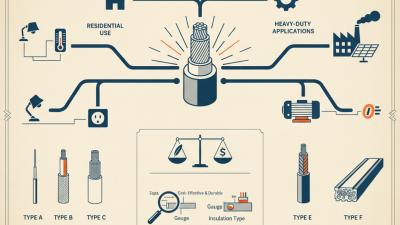
The choice of aluminum cables is crucial for various applications in 2026. In the construction industry, aluminum cables are favored for their lightweight nature. They provide excellent conductivity, making them suitable for power distribution. Use in residential setups can ensure energy efficiency while reducing overhead costs.
For industrial applications, consider high-strength aluminum cables. These cables can withstand harsh environments and heavy loads. Many companies focus on corrosion-resistant options, which increase durability and longevity. Lightweight cables reduce labor costs in installation as well.
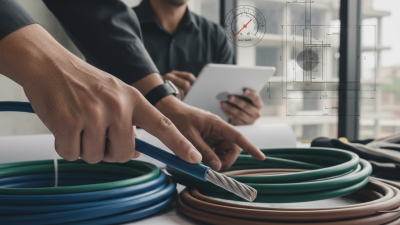
Tips for selecting the right aluminum cable include assessing the electrical load requirements. Ensure that the cable’s amperage rating aligns with your specific needs. Always consider the environmental conditions where the cable will be used. For instance, cables exposed to moisture or extreme temperatures require specialized coatings for protection. In exploring options, reflect on any specific challenges in your planned application. This can lead to a more informed decision when choosing aluminum cables for your projects.
Key Factors to Consider When Selecting Aluminum Cables
When selecting aluminum cables, several key factors come into play. One significant aspect is conductivity. Aluminum typically has about 61% the conductivity of copper. This means for similar applications, a larger aluminum cable is needed to achieve equivalent performance. Buyers should consider this when planning installations or replacements.
Durability and environmental resistance are also critical. Aluminum cables can corrode, especially in wet or salty environments. Reports suggest a rise in demand for corrosion-resistant coatings. Given that corrosion can diminish performance, selecting the right coating is essential for longevity.
Another factor is weight. Aluminum is lighter than copper, making it easier to handle and install. However, lighter cables can sometimes be seen as less robust. Additionally, some buyers might have concerns about the long-term reliability of aluminum compared to copper. An understanding of application requirements is vital. Each project could present unique challenges that may influence the best choice of aluminum cable.
Top Global Manufacturers of Aluminum Cables in 2026
In 2026, the aluminum cable market will witness significant developments. Many global manufacturers are stepping up their game. They aim to meet the rising demand for electric vehicles and renewable energy solutions. A focus on sustainable practices is evident in their operations. These manufacturers prioritize high-quality materials and innovative designs to enhance performance.
The market features several key players known for their expertise. Some companies specialize in lightweight cables. This attribute is crucial for modern applications, particularly in transportation. Others excel in producing cables with high conductivity. This is vital for power distribution systems. Manufacturers invest in advanced technologies to ensure reliability and durability. However, challenges remain. The need for eco-friendly materials complicates the production process. Additionally, maintaining cost-effectiveness is an ongoing concern for many.
Consumer preferences are evolving. Buyers now seek not just efficiency but also sustainability. This shift is reshaping the landscape of aluminum cable production. Manufacturers must stay adaptable to these changes. Quality control and regulatory compliance will play critical roles in their strategy. Innovation is essential to stay ahead. As the industry progresses, it must reflect on these challenges. Not everything will be smooth, and that’s an area for growth and reflection.
Aluminum Cable Market Share by Type in 2026
Sustainability and Environmental Impact of Aluminum Cables
Aluminum cables are becoming increasingly popular due to their environmental benefits. The International Aluminum Institute reports that aluminum is 100% recyclable without losing its properties. This fact makes aluminum cables a sustainable choice for industries focused on reducing their carbon footprint. In 2021, around 75% of aluminum produced globally came from recycled sources, highlighting a commitment towards a circular economy.
However, challenges remain. The carbon footprint from aluminum extraction and production is significant, particularly from mining bauxite. Studies indicate that producing one ton of aluminum can release approximately 12 tons of CO2. Efforts to mitigate this impact are ongoing, including advancements in green energy for smelting processes. The World Economic Forum predicts that improved technologies could reduce emissions from aluminum production by 30% by 2030.
Global buyers are increasingly interested in the entire lifecycle impact of aluminum cables. While its recyclability is a major strength, the initial production phase still needs attention. The industry must address these concerns to enhance credibility and advance environmental initiatives. As buyers look for alternatives, they tend to favor materials with lower upstream emissions. Therefore, transparency in the supply chain and production practices is essential for maintaining trust in aluminum's sustainability.
Future Trends and Innovations in Aluminum Cable Technology
The future of aluminum cable technology is exciting and transformative. Innovations in materials and design are shaping the industry. Lighter and more durable aluminum cables are emerging, addressing the increasing demand for efficient power transmission. The integration of smart technology into cables is also on the rise. These advancements can enhance monitoring and maintenance, reducing potential failures.
Innovations are making cables more versatile. They are designed to withstand extreme conditions and environmental challenges. This adaptability is crucial for industries like renewable energy and telecommunications. Enhanced thermal and electrical conductivity in aluminum cables can significantly improve efficiency. As the world shifts towards sustainability, the role of aluminum cables will become more prominent.
Consider the impact of recycling on aluminum cable costs. Sustainable practices can lead to lower production prices. Engaging with suppliers focusing on eco-friendly materials is beneficial. Staying informed about emerging trends can provide a competitive edge in the global market. Engaging with industry experts can offer deeper insights into these trends. Exploring diverse sources of information can enhance decision-making for buyers.
Best Aluminum Cable Options for Global Buyers in 2026
| Cable Type |
Conductor Size (mm²) |
Voltage Rating (kV) |
Max Operating Temperature (°C) |
Applications |
Future Trends |
| AAC (All Aluminium Conductor) |
25 |
33 |
90 |
Overhead Power Lines |
Increased conductivity and lightweight design |
| AAAC (All Aluminium Alloy Conductor) |
35 |
33 |
90 |
Transmission Lines |
Resistance to corrosion and higher tensile strength |
| ACSR (Aluminium Conductor Steel Reinforced) |
50 |
33 |
90 |
High Voltage Transmission |
Lightweight with high mechanical strength |
| XLPE Insulated Aluminum Cable |
10 |
15 |
90 |
Power Distribution |
Enhanced insulation and heat resistance |
| Aluminum Blended Cable |
20 |
11 |
75 |
Residential Wiring |
Cost-effective with good conductivity |



 +86 13777722188
 WHATSAPP
 PHONE
PHONE E-MAIL