

 +86 13777722188
Leave Your Message
-
 WHATSAPP
-
 PHONE
-
 E-MAIL
Choosing the best Electric Wire in 2026 requires more than comparing prices or reading package labels. Buyers must match the wire to the building, load, environment, and installation method. A kitchen circuit may need a different solution from an outdoor pump, solar system, or electric vehicle charger. Copper remains popular because it conducts efficiently and bends easily. Aluminum can reduce cost and weight, but it demands correct connectors and careful installation.
Electrical educator Mike Holt often reminds buyers, “Safety is not expensive, it’s priceless.” That principle should guide every purchase. Look for clear markings, suitable insulation, recognized testing, and compliance with local electrical requirements. Thermoplastic insulation may suit ordinary indoor runs. Heat-resistant or moisture-resistant types may perform better in attics, garages, and damp locations. The correct gauge also matters. A wire that feels thick can still be unsuitable for a long, heavily loaded circuit.
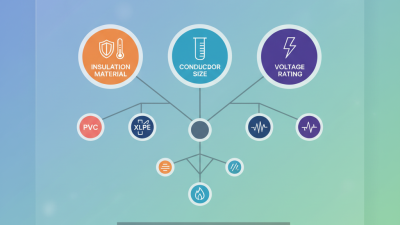
Real-world experience adds another warning. Packaging can look professional, yet the product may not fit the project. Buyers should check conductor material, temperature rating, voltage rating, flexibility, and manufacturer traceability. A qualified electrician can verify these details before installation. Small mistakes may create heat behind a wall, where nobody can see them.
There is no single “best” Electric Wire for every buyer. That answer is inconvenient, but honest. The strongest choice balances safety, durability, performance, budget, and future needs. In 2026, smart buyers will compare technical evidence rather than chase the cheapest roll on the shelf.
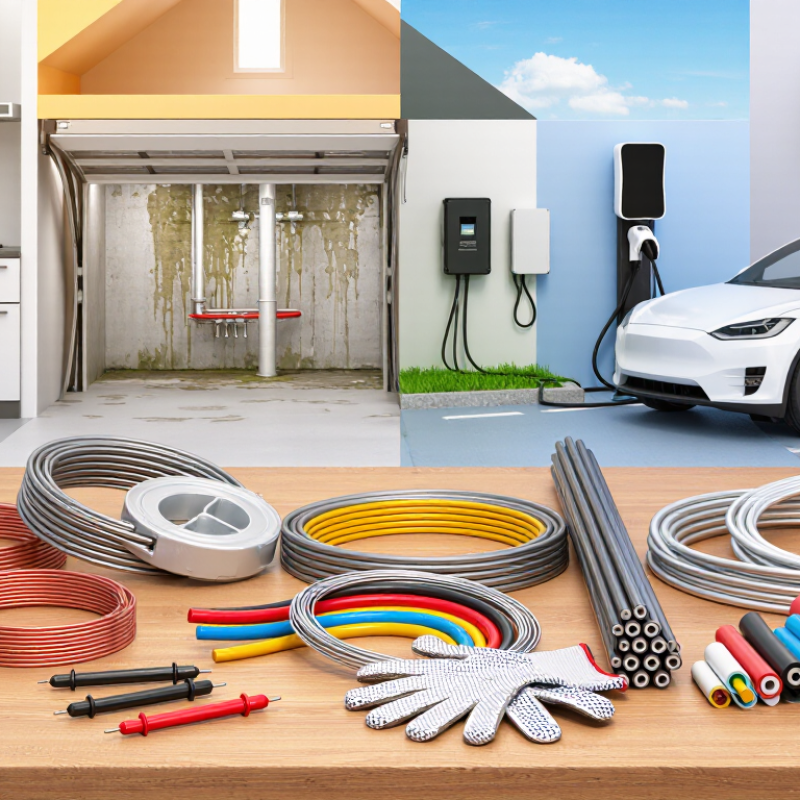
What Is the Best Electric Wire Type for Buyers in 2026?
The best electric wire balances safety, ampacity, cost, and code compliance. Wire size alone does not determine performance. A circuit may need larger conductors because of long distances, high temperatures, or bundled cables. Insulation also matters. Wet locations, outdoor runs, and enclosed spaces require suitable ratings. Copper often offers easy termination and strong conductivity, while aluminum can reduce material cost. However, its connections require careful preparation and approved terminals.
In 2026, buyers should check the electrical code adopted by their local authority. Code editions and enforcement dates can differ by region. Do not assume a product marked “new” meets every local requirement. Verify conductor temperature ratings, grounding methods, circuit protection, and permitted installation locations. Total cost includes fittings, labor, tools, and future maintenance. The cheapest wire can become expensive after difficult terminations or repeated repairs. There is no universal winner. That is worth remembering.
Tips: Ask a qualified electrician to confirm ampacity before purchasing. Read the complete product marking, not only the gauge. Keep invoices and technical sheets for inspection records. When comparing options, calculate voltage drop and installation effort. My own judgment would remain cautious: a slightly higher upfront cost may improve reliability, but only when the specification truly fits the application.
| Wire type | Common uses | Safety and location suitability | Ampacity considerations | Relative cost | 2026 code-compliance notes | Best fit |
|---|---|---|---|---|---|---|
| Copper THHN/THWN-2 conductors | Individual conductors pulled through an approved raceway for branch circuits, feeders, and many commercial installations. | Suitable for locations allowed by the conductor’s markings and the raceway system. For wet locations, the insulation must be identified for wet use, such as THWN-2; a raceway outdoors or underground can be a wet location. | Ampacity depends on conductor size, insulation temperature rating, terminal ratings, ambient temperature, and the number of current-carrying conductors. Small-conductor protection limits also apply. | Medium to high; copper typically costs more per conductor than aluminum. | Use an approved raceway and follow the locally adopted electrical code. Confirm conductor markings, fill, support, protection, and termination requirements. | Versatility and common availability where conductors in raceway are appropriate. |
| NM-B cable | Typical concealed wiring in residential buildings and other permitted dry indoor locations. | For dry locations only. Not suitable for wet or damp locations, direct burial, or locations where the cable is exposed to physical damage unless specifically protected as required. | Cable ampacity is subject to the applicable cable rules and terminal-temperature limits; for common NM-B sizes, the 60°C ampacity limitation generally governs. Do not select by insulation temperature marking alone. | Low to medium for standard indoor residential runs; varies with conductor size and cable length. | Permitted uses, fastening, support, protection, and concealed-work requirements depend on the adopted code and local amendments. Not a substitute for a wet-location wiring method. | Routine dry indoor residential wiring where cable installation is permitted. |
| UF-B cable | Outdoor circuits and installations where a cable identified for wet locations or direct burial is required. | Listed for wet-location use and commonly used for direct burial when the installation meets code requirements. Burial depth, protection, and permitted applications depend on the installation and local rules. | Ampacity must be determined using the applicable cable rules, conductor size, installation conditions, and terminal ratings. Do not assume it has the same usable ampacity as an individual conductor in raceway. | Medium; often more costly and less flexible to work with than standard indoor cable. | Verify direct-burial suitability, burial depth, required protection, and any local restrictions before installation. A raceway installation may have additional requirements. | Outdoor or direct-burial runs when the specific cable and installation are approved. |
| Copper XHHW-2 conductors | Feeders and other conductors installed in raceways in residential, commercial, or industrial settings. | XHHW-2 is marked for wet and dry locations. The complete wiring method, including raceway, fittings, and terminations, must also be suitable for the environment. | Ampacity is based on the applicable code tables and installation conditions. The conductor’s temperature rating does not override equipment terminal limits or adjustment and correction requirements. | Medium to high for copper; pricing depends on size, insulation, and market conditions. | Confirm conductor identification, raceway suitability, terminations, and applicable ampacity rules under the locally adopted code. | Wet-location raceway work where the conductor type and complete installation are suitable. |
| Aluminum SER cable | Certain aboveground feeders, including permitted feeder runs to panels or other equipment. | Must be installed only in locations and conditions allowed for the specific cable. SER is not a direct-burial cable. Use terminals listed for aluminum conductors and follow preparation and tightening instructions. | Ampacity depends on conductor size, cable rules, terminal ratings, and installation conditions. Aluminum conductors are commonly sized larger than copper for comparable applications; do not compare sizes without checking code tables. | Often lower material cost for larger feeders, though final cost depends on size, labor, fittings, and equipment compatibility. | Verify that the cable type is allowed for the route and use, and that all lugs and terminals are listed for aluminum. Follow manufacturer torque values and local requirements. | Cost-conscious, permitted aboveground feeder runs designed for aluminum conductors. |
Selection note: There is no single “best” wire type for every project. Choose a wiring method that is listed for the location and use, size conductors using the applicable ampacity and protection rules, and confirm requirements with the electrical code edition adopted by the local authority in 2026. Code adoption dates and amendments vary by jurisdiction; have electrical work designed or checked by a qualified electrician.